


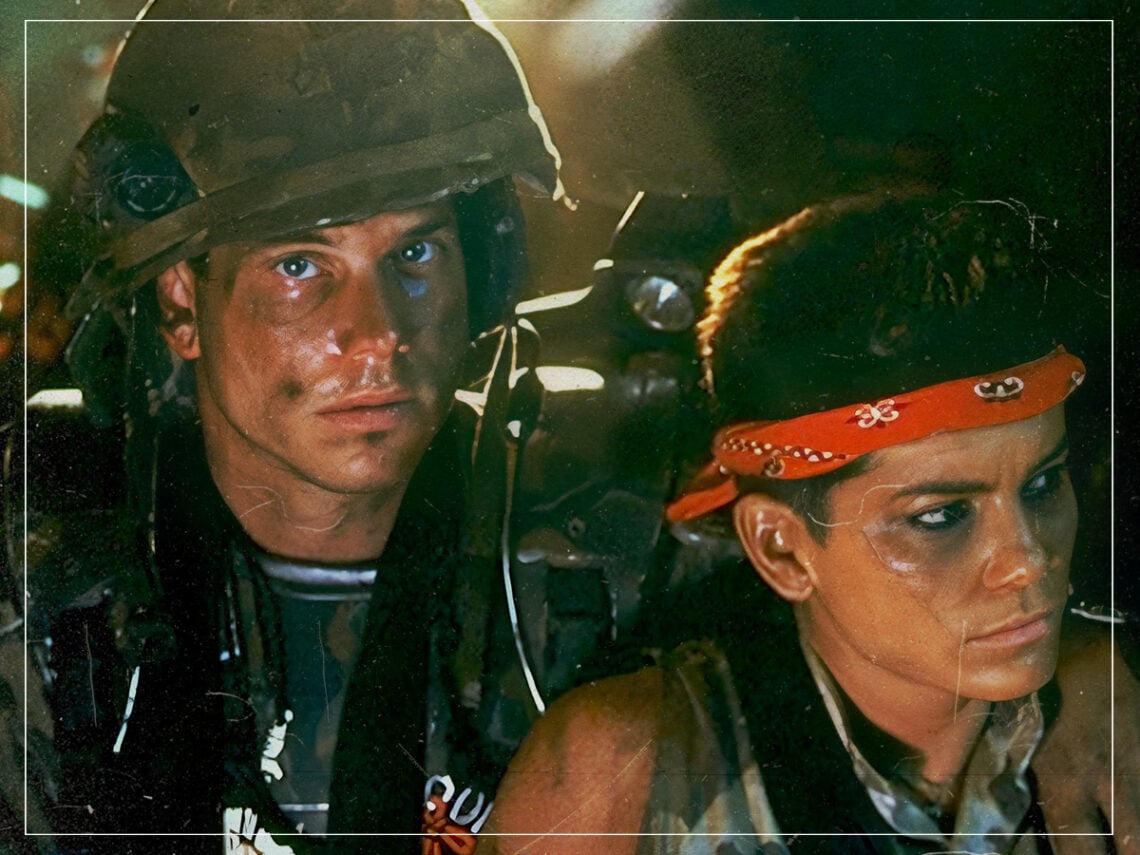
The deleted scene that dramatically improves James Cameron movie ‘Aliens’

James Cameron was one of the earliest proponents of his movies being released on home video with an extended edition in tow, and Aliens was arguably the biggest beneficiary for the way in which the lengthier edition of the film deepened many important plot and character points.
That’s not to say the vanilla version is anything to be sniffed at, though, with the director of Piranha II: The Spawning proving that The Terminator was no flash in the pan by crafting an exhilarating, nightmarish, nail-biting sci-fi action epic that won two Academy Awards from seven nominations, and deservedly saw Sigourney Weaver shortlisted for ‘Best Actress’ thanks to a ferocious turn that cemented Ellen Ripley as an icon.
Aliens was a towering achievement on its own, never mind the fact it had to follow in the footsteps of an original that was already entrenched as a classic. Taking his cues from Ridley Scott’s Alien, Cameron maintained the same atmosphere and aesthetic, but pivoting away from horror towards action was a creative masterstroke.
At 137 minutes, the theatrical cut of Aliens is hardly over in the blink of an eye, but Cameron called the 157-minute extended edition his preferred version of the film for good reason. Several scenes flesh out Ripley’s characterisation, inform the way she remains deeply traumatised by the events of the opener, and expand on her mother/daughter dynamic with Newt, but it’s a devastating emotional beat that hits hardest.
Excised from the Aliens audiences saw in cinemas, a deleted scene reveals Ripley having a conversation with Paul Reiser’s Burke, where it’s revealed that the former had a daughter. Having spent so long in hypersleep following the events of Alien, Amanda Ripley lived a long and full life that saw her pass away at the age of 66. She didn’t have any children, either, doling out another crushing blow.
Ripley breaks down sobbing at the realisation that after promising to make it back home for her daughter’s 11th birthday, not only did she fail to keep her word, but she missed almost the entirety of her only child’s life. That matriarchal dynamic was the key to the bond between Ripley and Newt, and it gathers even more weight armed with the knowledge she’d already lost a child of her own.
As if that wasn’t enough of emotional turmoil, the image used of an elderly Amanda is that of Elizabeth Inglis, Weaver’s real-life mother. The physical resemblance is there for all to see, and it’s hard to say that leaving the scene on the cutting room floor made a great deal of sense.
After all, motherhood is the most notably recurring motif to be found in Aliens, whether it relates to the humans or the Xenomorphs, although robbing Ripley of a key moment in the name of tightening things up pace-wise clearly wasn’t a call made by Cameron.
