


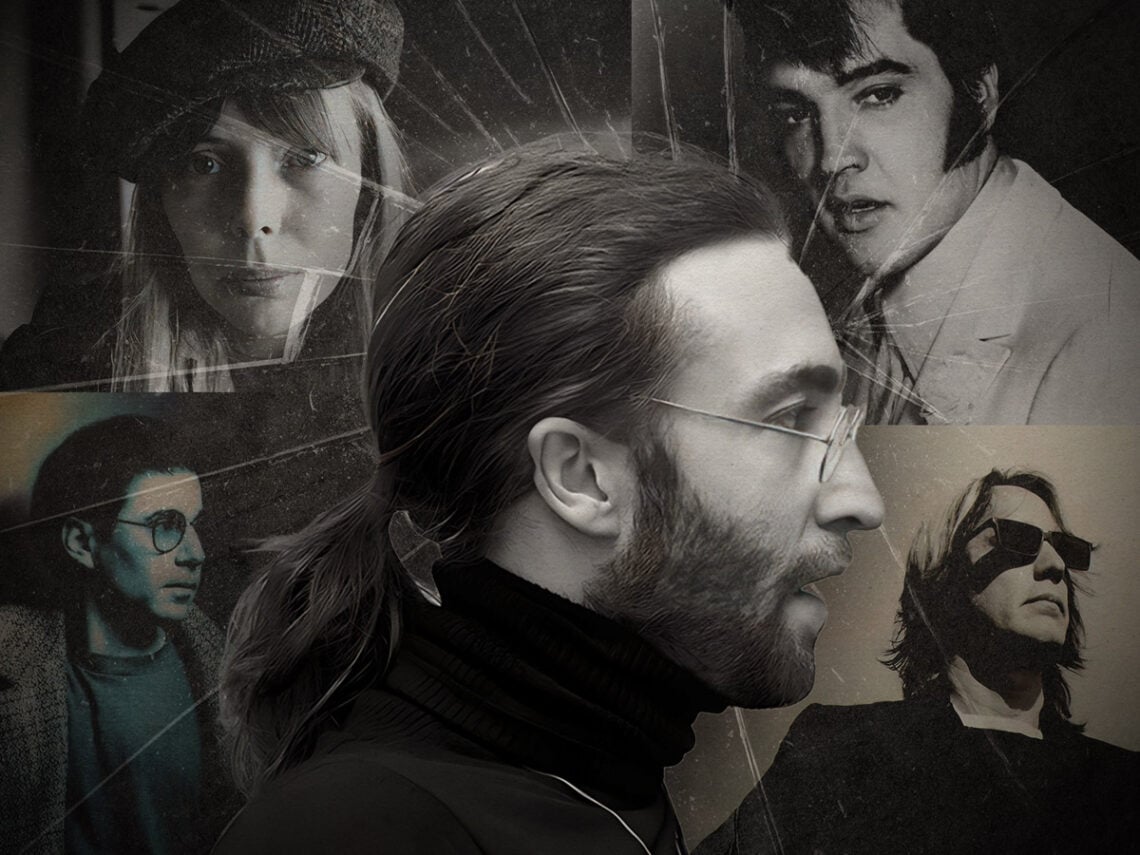
Defending John Lennon against the five artists who couldn’t stand him

In the question of John Lennon either being the greatest musical mind to ever grace the earth, or a figure of controversy, the answer is he was both.
The work that he did both in The Beatles and as a solo artist was second to none. He had a great voice, a melodic intuition, and the ability to write lyrics that touched the hearts of everyone who heard them. However, some of his songs, and some comments that he made outside of music, rubbed a lot of fans, onlookers and contemporaries the wrong way.
There are five artists who really had a problem with John Lennon, to the extent that they couldn’t stand him, and granted, some of their critiques might be valid in a sense, but they lack context or the backing that gives them true stability.
We’re here to set the record straight and step in to defend John Lennon against the five artists who couldn’t stand him.
Defending John Lennon against the people who hated him:
Steely Dan

“A world become one, of salads and sun, only a fool would say that”: these are the scathing opening lines from Steely Dan’s track ‘Only a Fool Would Say That’, which was a direct jab at John Lennon, specifically his song ‘Imagine’, and the socialist ideals which he talks about within it. It’s safe to say both Walter Becker and Donald Fagan weren’t fans of Lennon’s rhetoric, and so decided to put out their own track, which articulated as much.
Their point isn’t exactly unfair, as it does seem somewhat hypocritical for someone who has more possessions than any individual would need to tell others worse off to imagine if they had none. However, there are a lot of artists with a lot worse intentions than Lennon had here. When he left The Beatles, he was adamant about writing songs which were more of a reflection of his ideologies, which he manages to do in this track. It might be a bit tone deaf at times, but it comes from a good place.
Paul Simon

When you listen to one of Paul Simon’s tracks, you can take solace in knowing that he has pondered over those words for days, weeks and months, so he grew frustrated when he felt that artists weren’t doing the same, especially if they were trying to write a song that had a specific message, which is why he grew a bit frustrated at John Lennon.
“I don’t say that someone can’t write a social song, or even a song that’s a political song, and have it work, as a song and as a political statement,” he said, “But mass manufacturing of tunes, sort of ‘let’s knock off ‘Power to the People’,’ I find it in bad taste. It offends me. I don’t feel it talking to me at all.”
He’s right, people should take care over the lyrics they write, especially when those lyrics centre around incredibly sensitive topics, and John Lennon churned his songs out quickly, but what you need to remember is that Lennon had spent years in The Beatles writing music that scratched his itch to become a more personal artist. As such, the moment he was writing as a solo artist, after so many years of frustration, it shouldn’t come as a surprise that those more personal tracks rolled off the tongue.
Elvis Presley
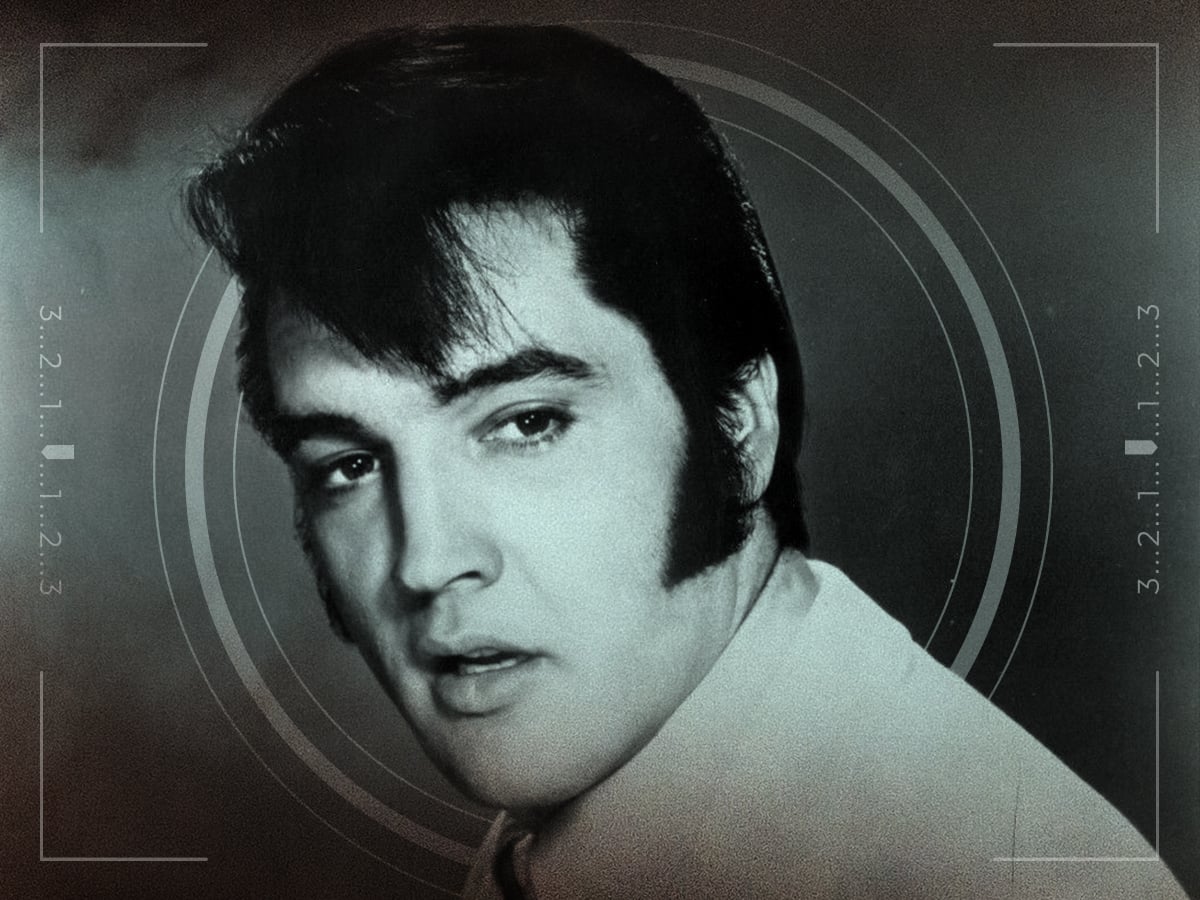
There is a lot that Elvis Presley didn’t like about John Lennon, and they all stink of hypocrisy. An FBI file on Elvis Presley revealed what he despised about the Beatle. “He thought The Beatles had been a real force for anti-American spirit,” the file read. It also revealed that Elvis was “of the opinion that The Beatles laid the groundwork for many of the problems we are having with young people by their filthy, unkempt appearances and suggestive music”.
The idea of criticising The Beatles for their appearance and suggestive music is one thing, but for that opinion to come from Elvis Presley seems a tad bizarre. After all, Elvis is dubbed ‘The King of Rock ‘n’ Roll’, and a lot of what helped him rise to stardom was his suggestive nature as a performer. The way he moved his hips and danced drove everyone wild, both for good and bad reasons, as some onlookers knew they were watching the future; meanwhile, others thought they were bearing witness to the collapse of society. It seems unfair for Elvis to hurl similar criticisms on Lennon, as he just channels the same small-minded members of the public who criticised his own music at first.
Todd Rundgren

Todd Rundgren didn’t bite his tongue when voicing his disdain towards the bespectacled Beatle, saying, ”John Lennon ain’t no revolutionary. He’s a fucking idiot, man. Shouting about revolution and acting like an ass. It just makes people feel comfortable. All he really wants to do is get attention for himself, and if revolution gets him that attention, he’ll get attention through revolution.”
However, turning back the clock slightly, when The Beatles were first flying over to the US, every member of the band was excited about getting to play in front of a new group of fans and experience life in America, except for John Lennon, who sat there nervously, worried about whether he was even going to be allowed into the country because of some comments he had made earlier in support of communism.
The truth is, John Lennon had always had these ideals about equality, society and revolution, but he was in the most commercially successful band in the world and therefore unable to truly voice them. The idea that he was just giving these opinions for attention is a nonsense notion that barely needs repeating.
Joni Mitchell

Joni Mitchell was happy to admit that she was middle-class, feeling that working-class artists looked down on her because of it, and this is where friction with Lennon arose, as she observed he turned his nose up at her when it came to discussing her songwriting.
“I watched this [English film], which was a roundup of the best musicians of the 20th century,” she said, “As soon as it hit my era, the intelligence of it dropped considerably. When it came to me, this guy folded his arms and crossed his feet and said, ‘I never liked Joni Mitchell, she’s too twee’. Well, that’s what John Lennon was like. It was that fear working-class people have of middle-class people.”
Her observations might be accurate, but it seems unfair to put this opinion on Lennon, especially given that he never actually made any mention towards Mitchell’s class. The two of them may have clashed, as a lot of creative minds do, but the idea that this was because of anybody’s class is wrong.

Never Miss A Beat
The Far Out Beatles Newsletter
All the latest stories about The Beatles from the independent voice of culture.
Straight to your inbox.