


‘Only a Fool Would Say That’: The 1972 Steely Dan song that made a mockery of John Lennon

Like many of the biggest groups of the early 1970s, Steely Dan grew up under the shadow of The Beatles.
When Donald Fagen and Walter Becker came together in 1971, the pioneering Fab Four had already been broken up for more than a year. They may have wondered if they had somehow absorbed the ghost of the fallen Liverpudlians and that it was their responsibility to carry the flame in their absence. Many bands certainly felt the pressure of the void they left.
It was an odd time for new bands to emerge because The Beatles had left such a vast, gaping hole in the landscape. In the press, every band was considered the heirs to the Liverpudlians’ throne, and simultaneously, anybody with an acoustic guitar was likened to Bob Dylan. This was understandable; the disappearing duo had kept them in print, and now there were fears about the future prospect of music without obvious heroes at the helm.
With The Beatles, it was difficult for anyone not to be touched by the impact of their near-decade of musical dominance. The Fab Four reshaped the landscape, introduced new sounds into the popular lexicon, and enriched the world.
Indeed, Fagen and Becker intentionally modelled themselves on The Beatles, choosing to emphasise writing and recording rather than relentless touring. However, Steely Dan could also be highly critical of The Beatles’ former members at times, as the song ‘Only A Fool Would Say’ makes devastatingly clear. Now, it was the age of the anti-hero.

By the mid-1970s, Steely Dan was less of a band and more of a jazzy musical milieu, with Becker and Fagen in the director’s chair. When the pair formed Steely Dan in 1971, they’d always dreamed of it being a space for them to showcase their “special material”. They endeavoured to be a unique force in pop.
Nevertheless, for a long time, they were forced to write bubblegum pop tunes for artists like Tommy Roe or The Grass Roots. After Fagen’s panic disorder made it impossible for him to front the group and money problems began making touring unfeasible, they decided to take a turn inwards and make their home in the studio, where they quietly honed their ecstatic brand of jazz-infused rock, relying on a stream of talented session musicians.

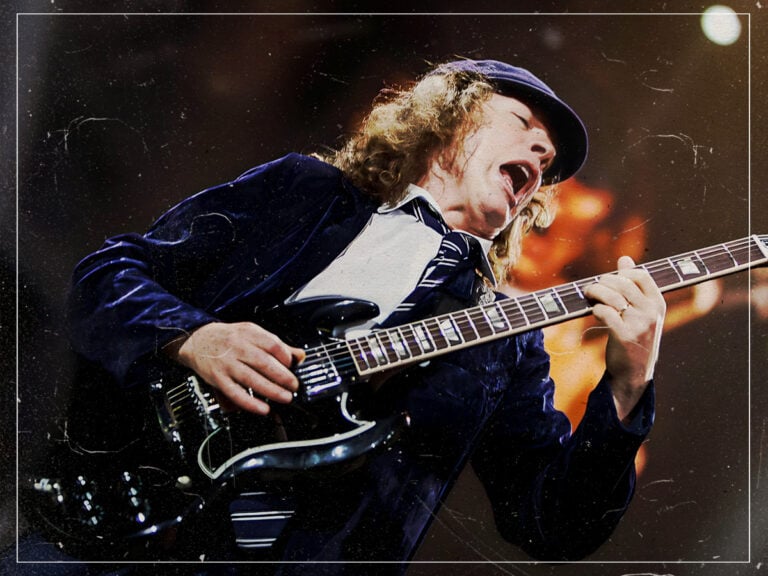
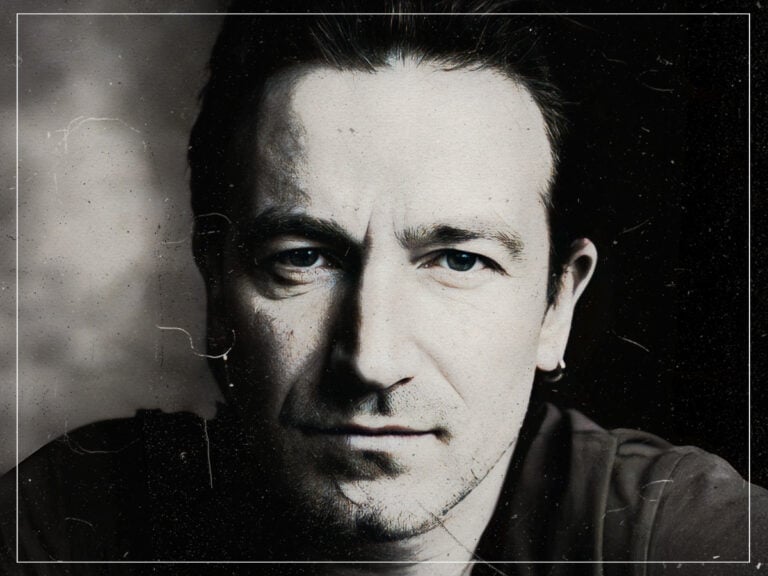
They were pushed into making this decision due to Fagen’s health issues, but fortuitously, it turned out to be a masterstroke and aided their career spectacularly in the long run. It added extra bite to their work, too. Away from any ‘scenes’ and ‘circuits’, they rather cynically gazed on from afar.
A steely stab at John Lennon?
As time went by, Steely Dan garnered a huge fan base and several notable fans, including Paul McCartney. However, Macca’s former bandmate, John Lennon, likely wasn’t as enamoured with the duo. The two artists likely crossed paths during Lennon’s time in New York, where Steely Dan had been based since their inception, but it’s unlikely they ever became particularly close. Not least because Steely Dan wrote a song mocking Lennon’s 1971 track ‘Imagine’.
One of the most intoxicating tracks from Steely Dan’s 1972 album Can’t Buy A Thrill, ‘Only A Fool Would Say’, opens with an upbeat bossa nova groove crafted from layers of conga, snare, strummed acoustic guitar, and undulating bass. Floating above mellow electric guitar lines, Fagen paints a picture of Lennon as an ignorant artist whose talk of world peace is completely at odds with the life of the poor and impoverished.
“Our world become one / Of salads and sun / Only a fool would say that,” he begins. Later on the track, he sings, “A boy with a plan / A natural man / Wearing a white stetson hat,” poking fun at Lennon’s sartorial choice on a recent talkshow appearance.
Fagen’s image of Lennon as the highfalutin elitist is quickly contrasted with an artfully rendered portrait of the “man in the street” who doesn’t have the luxury of believing in some hippie’s utopian ideal. Especially when unemployment was sky-rocketing.
Fagen tells Lennon to have a little more empathy and to understand that asking somebody with nothing to abandon their worldly possessions and pursue a life of immaterialism is, at best, laughable and, at worst, dangerously insensitive. “You do his nine to five / Drag yourself home half alive / And there on the screen / A man with a dream,” Fagen sings, once again, pointing out Lennon’s stetson hatted press run for ‘Imagine’.
Although Lennon never directly addressed the harsh lyrics directed at him in ‘Only a Fool Would Say’, it’s unlikely he was a fan of Steely Dan. He didn’t take well to cynicism and even worse to insults. So, it wasn’t all that surprising that during an interview with Rolling Stone, Lennon criticised jazz-rock group Blood, Sweat, and Tears, and his comments also relate to Steely Dan.
The Beatle remarked, “I don’t like the Blood, Sweat & Tears shit. I think all that is bullshit.” Pointing out the pithy nihilistic posturing of many bands like the Dan, he continued, “Rock’ n’ roll is going like jazz, as far as I can see, and the bullsh*tters are going off into that excellence which I never believed in…”
He concluded, “I consider myself in the avant-garde of rock ‘n’ roll.” If the Dan had refused to name Lennon directly in their musical takedown, then he had perhaps just replied in kind.
The lasting legacy of idealism apathy
While ‘Imagine’ is a beloved classic, the sentiment behind Steely Dan’s lyrics is understandable. For example, when Gal Gadot organised a Hollywood singalong of Lennon’s classic ballad in the first month of the Covid-19 pandemic, she was immediately criticised for misreading the room.
Far from sparking a surge in benevolent acts of kindness, listeners found a disconnect between Gadot and the gang’s call for the jobless to “imagine no possessions” and the glaring fact that the various stars who contributed to the rendition were singing from multi-million dollar mansions. At the time, this is how Fagen felt about Lennon’s original, delivered from the comfort of an ivory tower.In the end, this can almost be seen as a pivotal turning point for the entire 1970s. When even Lennon was fair game for criticism, it was clear that the guard had changed.

Never Miss A Beat
The Far Out Beatles Newsletter
All the latest stories about The Beatles from the independent voice of culture.
Straight to your inbox.