


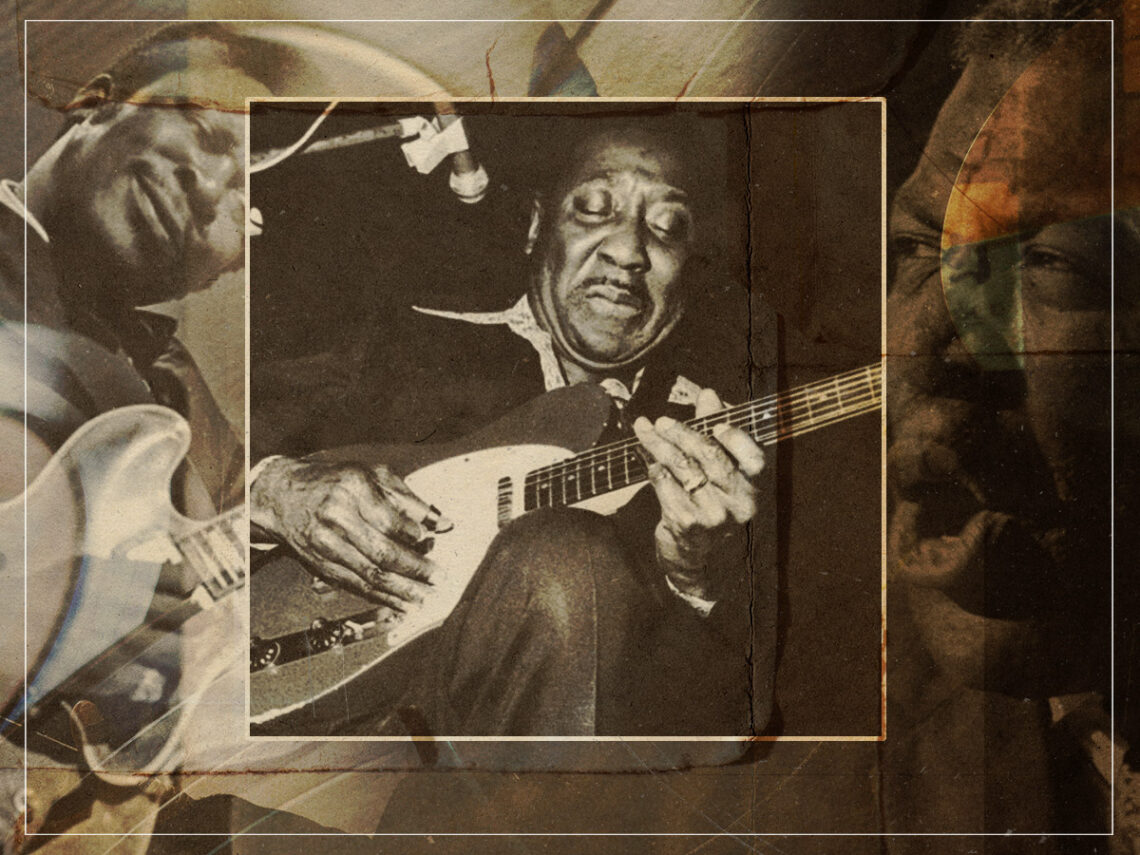
Decoding the blues: How love became a metaphor

Blues was a very important genre for a number of reasons. Not only did it pave the way for other kinds of music, such as R&B and rock, which would eventually become staples in the industry, but it also helped provide a voice for people who struggled to get themselves heard, making many Americans who believed no one recognised their struggles receive the most beautiful acknowledgement of them.
The black experience in America was met with racism, ignorance and malice. One of the major problems which Ralph Ellison wrote about was the fact that black men and women weren’t seen by the country that they lived in. People felt utterly invisible; while they might have been seen physically, they weren’t regarded as actual human beings.
Ellison wrote, “I am an invisible man… I am invisible, understand, simply because people refuse to see me. Like the bodiless heads you sometimes see in circus sideshows, it is as though I have been surrounded by mirrors of hard distorting glass.”
He continued, “When they approach me, they see only my surroundings, themselves, or figments of their imagination – indeed, everything and anything except me…”
Samuel Charters, in his book The Legacy of the Blues, agrees, saying, “It has always been the harsh truth that black Americans have been swept out of the way, pushed aside, and left to make what they could of whatever the white society didn’t want.” He also acknowledges that there were periods when people started to see a little, and a lot of this started with the blues.

“For many young white Americans the first black man they ever saw was the blues singer. First it was the raw strength of the music that forced them to listen – then the voices – then the singers themselves,” he said, “They were visible men, they had a size and dimension, and one of these dimensions was the language of the blues itself.”
Given the nature of the blues, it became difficult to ignore the plight of black Americans, as much of it was discussed in the music. However, as the genre grew in popularity, it also gave rise to potential contradictions. The hard times that many singers used for inspiration were alleviated by their newfound fame. Issues surrounding societal injustices and racism remained prominent, but woes about money didn’t feel as genuine when sung by the rich.
The blues needed to get creative as a genre, using various metaphors to sound genuine but still portray the hardship that the sound was built upon. The easiest one to sing about and the most accessible link people could make was when singers pined over lost lovers. The pain in their voice was real, and the hardship that was sung about could easily be transferred to dreams that were more than just physical, as people interpreted the lyrics about wanting a lover to mean something much more profound.
Samuel Charters also discusses this, as he says, “It has long been clear that some of the major themes of the blues – lonely travel, family disorientation, poverty – even though they were all presented through the overwhelming blues obsession with the love relationship – mirrored the social disorientation of the other America.”
He continued, “It is not only in the broad outlines, but as much in the myriad small nuances of phrase and attitude.”
The blues isn’t the first genre to have had to develop in the face of its own success. At one point, the folk scene in New York became a bit of a joke as millionaires dared to sing about hardships, which famously led to the development of the anti-folk movement. The same applies to punk, which was supposed to be a sound for the working class and is now commonly played by the upper classes. Music remains a consistent contradiction of itself, which is increasingly difficult to keep on top of.
