


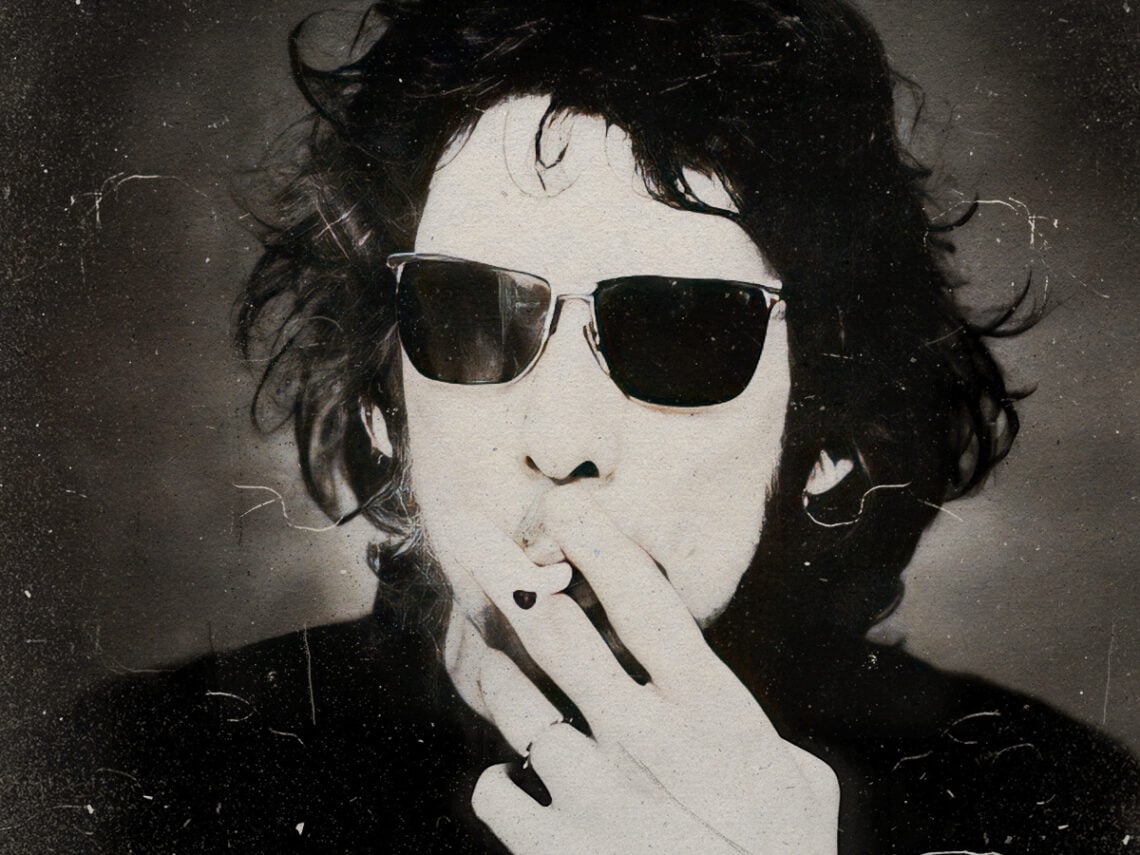
How the death of Jimi Hendrix sent Shane MacGowan into a spiral

Death affects us all in different ways, particularly when it comes to the deaths of beloved musicians like Shane MacGowan, which was rightly met with an outpouring of affection for The Pogues frontman and punk songwriter from all walks of the musical world. Decades prior, though, the death of another musical icon impacted MacGowan just as strongly.
It was during the punk explosion of the mid-1970s that MacGowan made his first mark on the musical realm, rubbing shoulders with the safety-pinned songwriters at the heart of London’s blossoming musical revolution. That description does, however, do something of a disservice to his songwriting quality.
Punk, despite being presented as a cultural revolution of left-leaning politics and a DIY attitude, was still, at its core, oppressively masculine during those early days; female voices were few and far between, and a lot of the scene seemed to prioritise testosterone-fueled aggression. Whereas MacGowan’s songwriting always tended to be far more emotive and, in a lot of cases, vulnerable.
That emotive songwriting, in fact, was key to The Pogues’ enduring appeal outside of the punk scene, establishing a space for Celtic folk-infused punk on the kind of scale that some of the band’s early contemporaries could only dream of.
Another way in which MacGowan and The Pogues differed from the punk mainstream was their open adoration for the architects of rock and roll. When punk first emerged, sneering and gobbing onto the scene, it preached the destruction and rejection of rock’s past, aiming to burn it all down and rebuild from the rubble, but The Pogues never really went along with that.
Not only were the band indebted to the folk voices of years passed, but they owed a lot to the rockabilly scene of the 1950s, too. They even committed the cardinal punk sin of maintaining an appreciation for the counterculture sounds of the 1960s. “Jimi Hendrix was really, really important to me and the close group of friends who became part of that Burton Street scene, which then led to The Pogues emerging,” Spider Stacy told The Quietus in 2024.
“We just used to listen to him constantly,” the songwriter continued, espousing the timeless joys of the guitar hero. “It’s just the noise of the guitar, and his whole attitude – he was just so cool. ‘Voodoo Child’ was sort of an anthem for us.”
Reportedly, Shane MacGowan was particularly infatuated with the existence of Hendrix, too. As you can imagine, then, his death in 1970 hit the then-12-year-old MacGowan pretty hard.
As Stacy recalled, “Shane loved Jimi Hendrix too. Siobhan [MacGowan, Shane’s younger sister] mentioned in her eulogy that when Jimi Hendrix died, Shane spent the whole day with his face turned to the wall.”
For the future Pogue to feel so strongly about Hendrix’s death at the age of only 12 speaks volumes about his unending dedication to music, and the passing of the guitar hero likely only became more impactful as he started on his own musical journey years later.
