


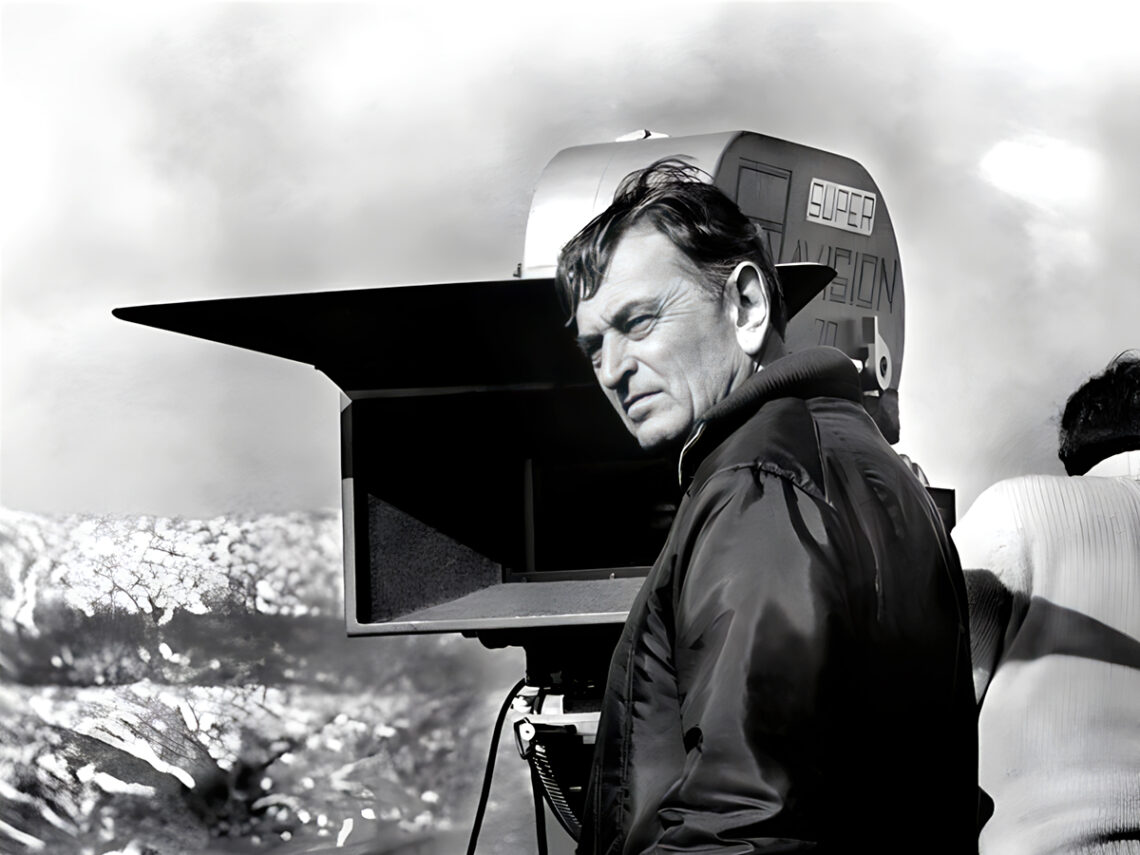
“I think it’s terribly sad”: David Lean predicted the death of original cinema in 1990, and he wasn’t wrong

Despite being one of cinema’s greatest-ever directors, who helmed several of cinema’s greatest-ever movies, it was a crying shame that David Lean saw his career peter out and end on a whimper.
He deserved better than that, but it wasn’t for a lack of trying. The final years of the legendary filmmaker’s professional life were defined by delays, setbacks, and missed opportunities, with the 14-year gap between Ryan’s Daughter and A Passage to India, and the spell after, a succession of what-if moments.
Lean spent years developing The Bounty, which evolved into two pictures called The Lawbreakers and The Long Arm, morphed into a potential seven-part TV series, and spent millions on pre-production, casting, and building a costly replica of the titular ship, only to drop out and be replaced by Roger Donaldson.
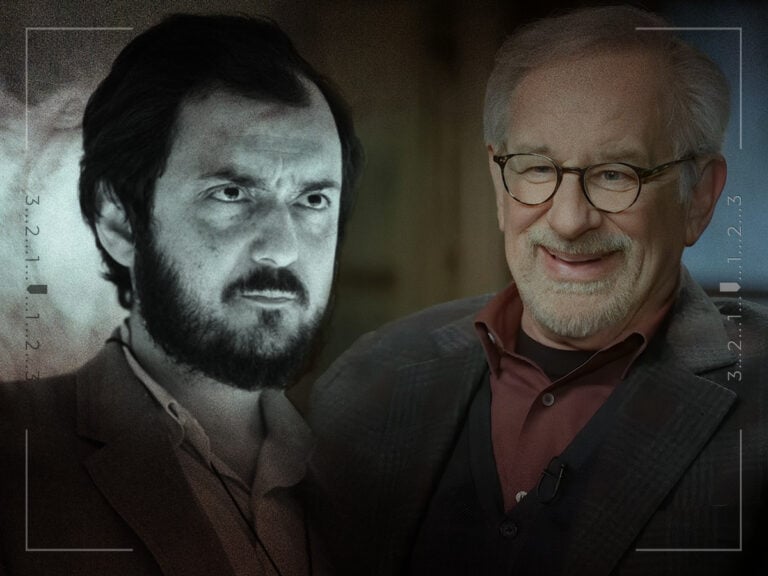
He also signed on to adapt JG Ballard’s Empire of the Sun, but abandoned that one, too, opening the door for lifelong Lean fanboy Steven Spielberg to step into the void and emulate his idol. After that, he dedicated his final years to the star-studded epic Nostromo, the passion project that never came to be.
The two-time Academy Award winner, 11-time nominee, and mastermind behind Brief Encounter, Summertime, The Bridge on the River Kwai, Lawrence of Arabia, Doctor Zhivago, and more may not have contributed to cinema in a behind-the-camera capacity after 1984, but he could still see where the industry was heading, and he didn’t like what he saw.
At an American Film Institute tribute in his honour held the year before his death on April 16th, 1991, Lean referenced the advice he received from Noël Coward when making his feature-length debut on 1942’s In Which We Serve: “Always come out of another hole.” That inspired Lean to weave between genres and try new things, but it was a lesson he desperately wanted Hollywood to heed.
“We don’t come out of any more new holes,” he lamented. “We come out with Parts One, Two, Three, and Four, and I think it’s terribly sad.” Lean reiterated to the attendees, and anyone in the business, that returning to the well so often and repeating the same stories “will sink us,” but nobody was listening.
“I don’t mind for old birds like me, we can take it, but we have to protect our young,” he urged. “Please, you chaps in the money department, look out for the young ones: this business lives on creative pathfinders.” Fast forward to today, in the era of endless franchises, reboots, the death of the mid-budget movie, the streaming onslaught, and more, and Lean’s prediction couldn’t have been more on the money.
35 years later, and the ten biggest hits of 2025 painted an increasingly depressing picture: they were, in order, an animated sequel, an animated sequel, a threequel, the live-action remake of an animated film, a video game adaptation, the seventh entry in a franchise that launched in 1993, an animated sequel, the live-action remake of an animated film, Joseph Kosinski’s F1, and the seventh solo Superman flick, which doesn’t make great reading for original cinema.
