


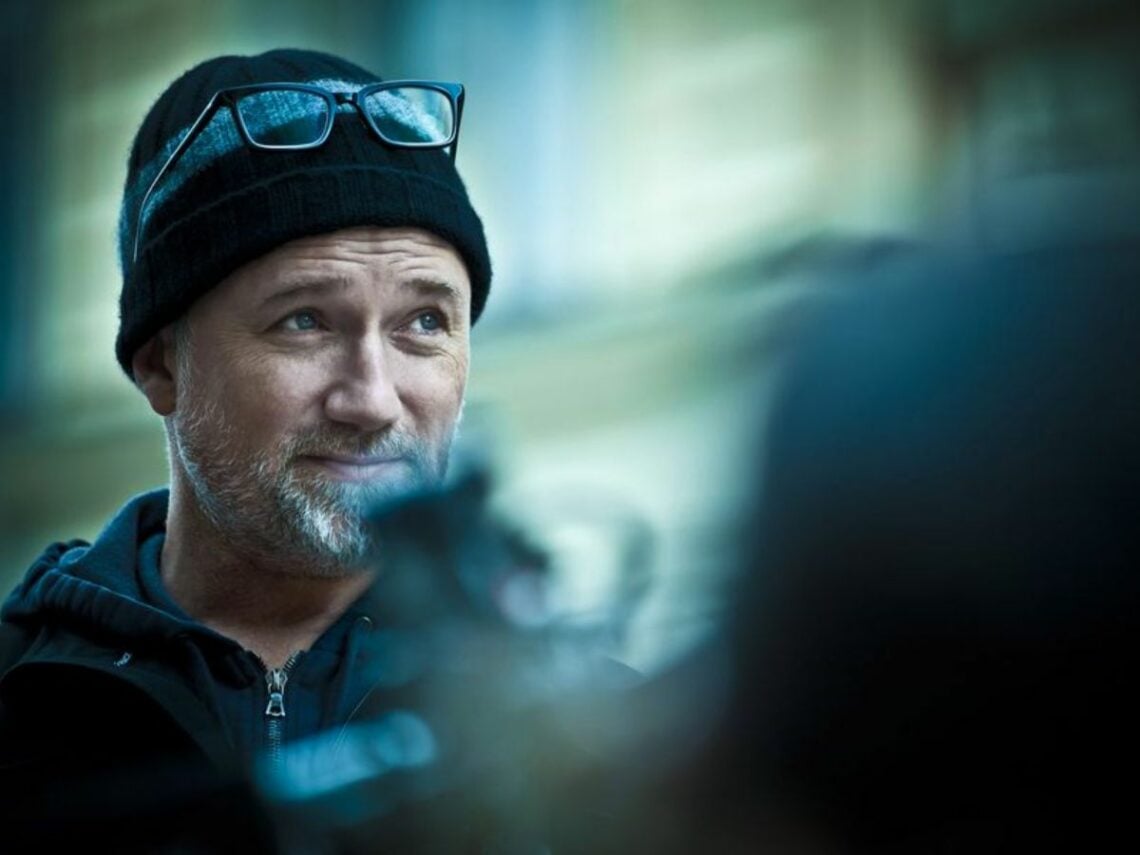
David Fincher’s favourite Steven Spielberg movie: “the most wondrous and compelling dream”

David Fincher is the modern master of the thriller. A considered and precise filmmaker, his attention to detail is unparalleled, and he famously insists upon countless takes to ensure each shot is close to perfect. The distinctively dark and cold look of his movies reflects the subjects they concern themselves with, from the grisly murders of Seven to the cutthroat betrayal in The Social Network.
After making a disappointing debut with Alien 3, the director honed his filmmaking style with a series of psychological thrillers spanning the 1990s, including Seven and Fight Club, both of which have since become iconic for their gripping final moments. With the dawn of the new century, Fincher secured his place as one of the most consistent contemporary directors with the successes of Zodiac, The Social Network, and Gone Girl.
Somehow, despite his unwillingness to censor the grotesque and the violent, Fincher has enjoyed success both commercially and critically. Adored by cult and casual cinema-goers alike, his films have ranked among some of the greatest thrillers ever made.
Though his own work couldn’t be much further from the family-friendly filmography of Steven Spielberg, Fincher, like most directors, has great admiration for the father of the modern blockbuster. Speaking with A.frame, Fincher shared five movies that had impacted him “from a particularly fertile span of moviegoing (thrice a week, religiously) during the 1970s”.
Between dubbing William Friedkin’s The French Connection as having the “best car chase in cinema” and Peter Bogdanovich’s Paper Moon as “the most perfect casting of father and daughter thespians ever”, Fincher picked out a Spielberg film – his 1977 sci-fi Close Encounters of the Third Kind.
The film followed Roy Neary, played by Richard Dreyfuss, and the impact of a close encounter with a UFO on his life. A passion project inspired by the director’s experiences watching meteors with his father, the beloved blockbuster made over $300million at the box office.
Fincher suggests that the film “might be the most wondrous and compelling dream that Steven Spielberg’s ever shared”.
His admiration stems from the fact that the film “shouldn’t work”, as he explains: “Watergate meets The Day the Earth Stood Still? A tremendous Richard Dreyfuss actually leaving the amazing Teri Garr… behind? But I never looked at the night sky the same way again.”
Spielberg changed the look of the night sky for film lovers far beyond Fincher – Close Encounters of the Third Kind remains one of the most well-loved sci-fi movies of all time; even Kurt Cobain was obsessed with it. Fincher’s filmography may not contain the same magical, nostalgic qualities as Spielberg’s, but his thrillers are equally wondrous and compelling – following Seven, many haven’t heard the phrase “What’s in the box?” the same way since.
