


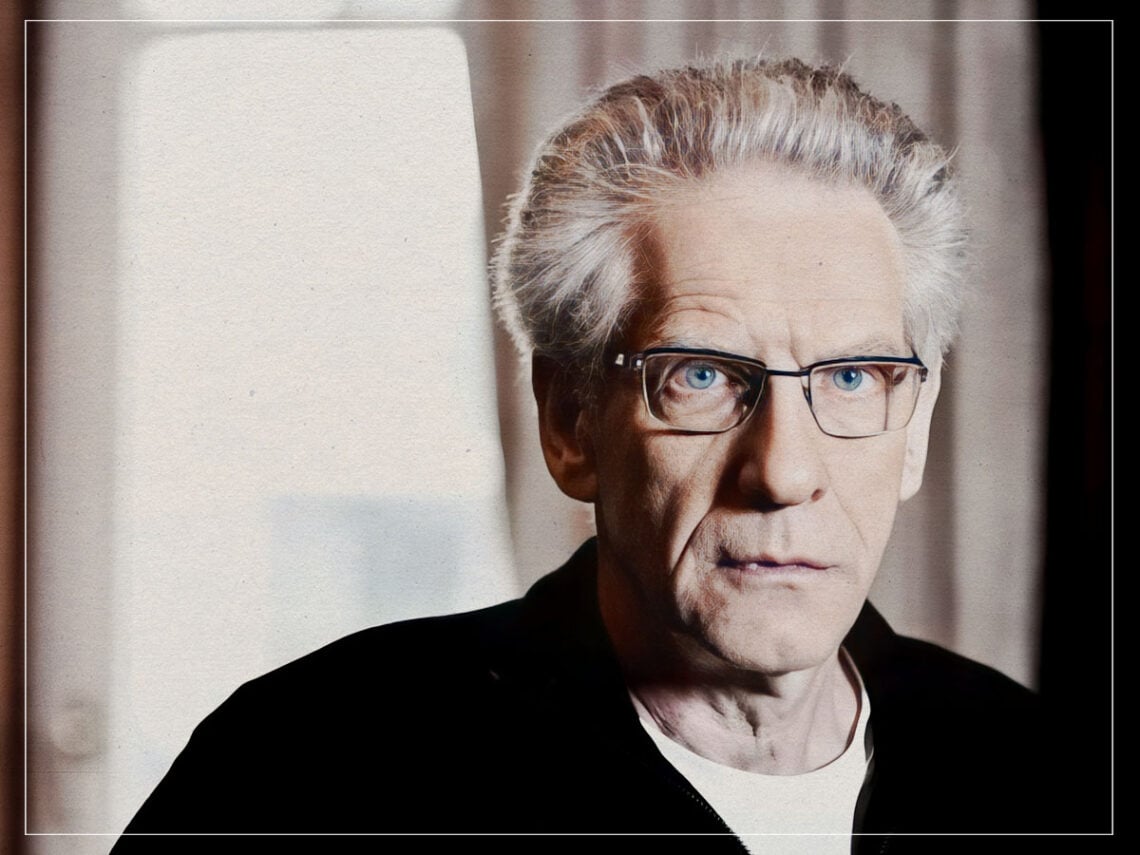
David Cronenberg names the hardest shoot of his career: “Every aspect of it was difficult”

David Cronenberg doesn’t make things easy for himself. As a filmmaker, he is drawn to challenging subject matter, going out of his way to repulse his audience in an effort to make them feel something. Exploding heads and men transforming into insects are just par for the course for the Canadian master of squishy horror. Even his non-squelchy efforts are terrifying, whether they be examinations of corrupt politics in The Dead Zone or the darkest pits of sexual desire in Crash.
To achieve his desired effects, Cronenberg often makes use of state-of-the-art visual effects and makeup. This obviously adds complications to any shoot, but, according to the man himself, they weren’t the cause of his biggest headache. When giving a career retrospective to Film Freak Central, the twisted genius recalled his time making Scanners and the various issues he faced on set.
“That was the hardest shoot that I’ve ever had still to this day,” he said of his 1981 work. “Every aspect of it was difficult – the financing was difficult, some of the actors, the antagonism between them, particularly Patrick McGoohan and Jennifer O’Neill.” Allegedly, the deeply Catholic McGoohan flew into a tirade against O’Neill for her turbulent personal life. She had been married five different times by the time the film came out, something her co-star didn’t think too highly of.
As well as its actors, the elements were also against the project. “The weather, which was bitterly cold,” the director continued, saying that the movie was shot on unheated stages. “Well, they weren’t really stages, they were just leftovers from ‘Man and His World,’ y’know, [Montreal’s] Expo ’67.” ‘Man and His World’ was the name given to the site of the 1967 Montreal world’s fair after it closed. It was repurposed for part of the 1976 Summer Olympics before closing permanently in 1984.
Cronenberg went into more detail about the financial issues Scanners faced, which were caused by its backers wanting to secure a tax write-off. “All the doctors, dentists, and lawyers would realize around October that they needed a tax write-off so around November all this money would show up,” he explained. “But you had to shoot the movie by the end of the year. The money had to be spent for them to get their write-off so, basically, I was going into that movie without a script. It was a very complex movie with a lot of effects and a trying set of circumstances. I was writing things at lunch that we would be shooting after, and, of course, we were as is usual shooting out of sequence.”
The fraught experience of making Scanners took a serious toll on the maestro, one he still carries with him. When asked how long the shoot was, he replied, “I don’t remember, seemed like forever,” a damning indictment of how painful it was to complete. Ultimately, though, his hard work bore fruit, as the film is remembered as one of the highlights of his catalogue. Its groundbreaking effects still look good over 40 years on and it continues to give people nightmares to this day.
Scanners became something of a franchise, spawning two sequels, two spin-offs, and a planned remake that, as of yet, hasn’t materialised. Cronenberg has not been involved in any of these projects, possibly because he knew they weren’t going to be any good, possibly because he is still scarred from making the first one.
