


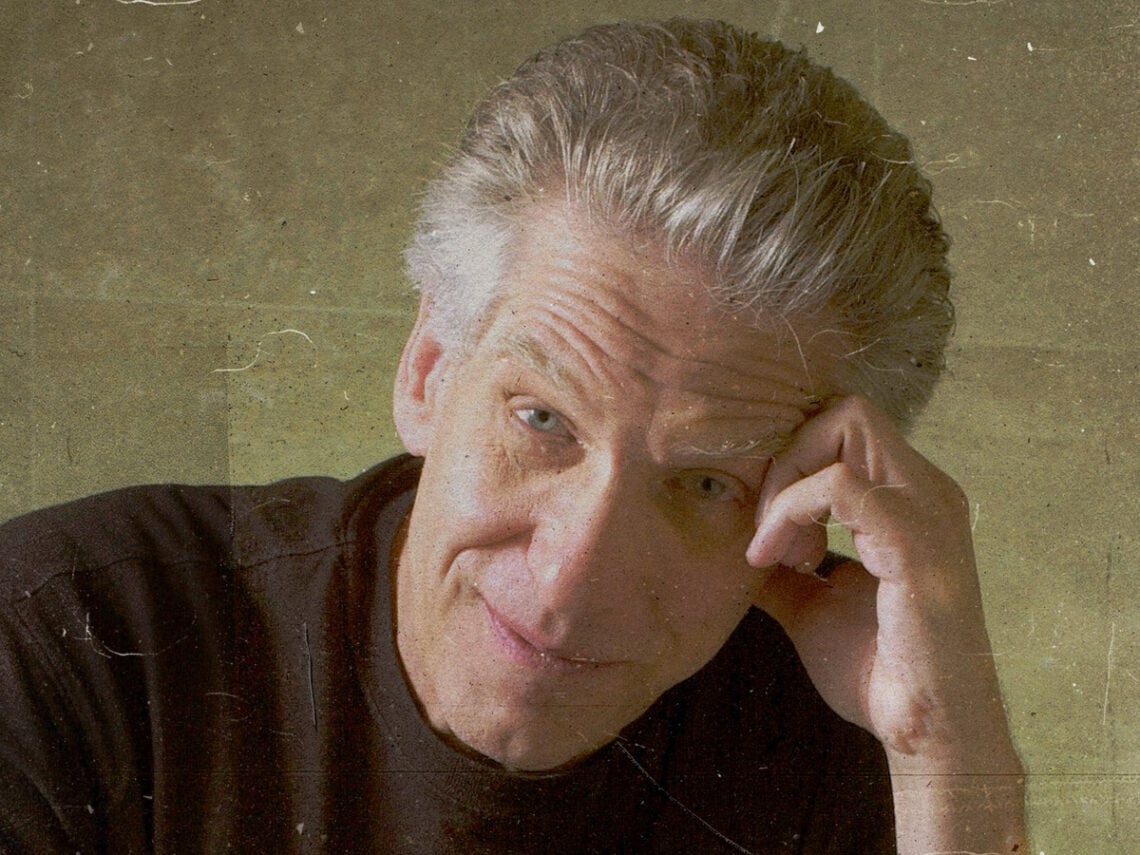
Understanding why David Cronenberg wants to distance himself from “horror movies”

It would be fair to say that one of the first words that springs to mind when conjuring up the image of David Cronenberg would be “horror”. However, while the Canadian filmmaker is indeed considered the master of the body horror genre, he personally believes that his films should not be classified as such.
This kind of response is typical of Cronenberg, who certainly enjoys offering opinions that border on the pretentious. Still, any artist has the right to perceive their work in any way they wish, and looking at Cronenberg’s most notorious films, it’s clear that we find more than just traditional horror within them.
With the likes of Shivers, The Brood, Scanners, Videodrome, The Fly, and eXistenZ to his name, it’s easy to see why Cronenberg has assumed a reputation as a horror master. However, looking deeper into each individual movie reveals themes and motifs that transcend even the most chilling moments of the body horror subgenre.
When asked in an interview with Spliced Wire whether he considers his films horror movies, Cronenberg simply responded, “No. I don’t”. The director went on to explain that, with some like 1986’s The Fly, there is far more to his films than is often suggested in marketing and criticism.
“The Fly was, technically, a horror sci-fi film, and this is technically a sci-fi film,” Cronenberg explained. “But to me, that’s not a creative category. That’s a marketing problem or possibly a critical problem, a journalistic preoccupation. But it doesn’t function on a creative level. It doesn’t mean anything.”
According to Cronenberg, each of his films creates its “own little biosphere and has its own little ecology and its climate”, and within a given movie’s biosphere is the opportunity to put something shocking on screen as we are used to seeing in the horror genre. However, because his films have other angles of interrogation from traditional horror, Cronenberg feels that they shouldn’t fit directly into the genre per se.
For instance, The Brood is concerned with health and disease, while Videodrome takes entertainment as its primary narrative driving force. In addition, The Fly examines the dangers of scientific experimentation, and eXistenZ looks into the possibilities of a virtual world. So even though Cronenberg’s films might be terrifying to watch, they still contain thematic elements that stray from straight-up scary horror cinema.
“You’re attuned to that more than anything else,” the director explained. “So when people say, ‘Is there anything you wouldn’t show on film?’ or ‘Would you draw back?’ I say, ‘If I do, it’s only because of that biosphere. What is appropriate? What works within the ecology of that movie?'”
Cronenberg went on to say that in a film like 1996’s Crash, “sex and blood” would be appropriate, whereas it would be “disproportionate” in something like 1983’s The Dead Zone. “So if you wait, the movie gradually tells you what it wants to be, and you have to sort of go on with it,” he said.
Sure, we certainly consider Cronenberg to fall under the wide umbrella of horror cinema, but it’s also clear that the Canadian filmmaker has a mission of delivering far deeper and more interesting themes to his audiences, and that’s why he doesn’t consider himself a horror director per se.
