


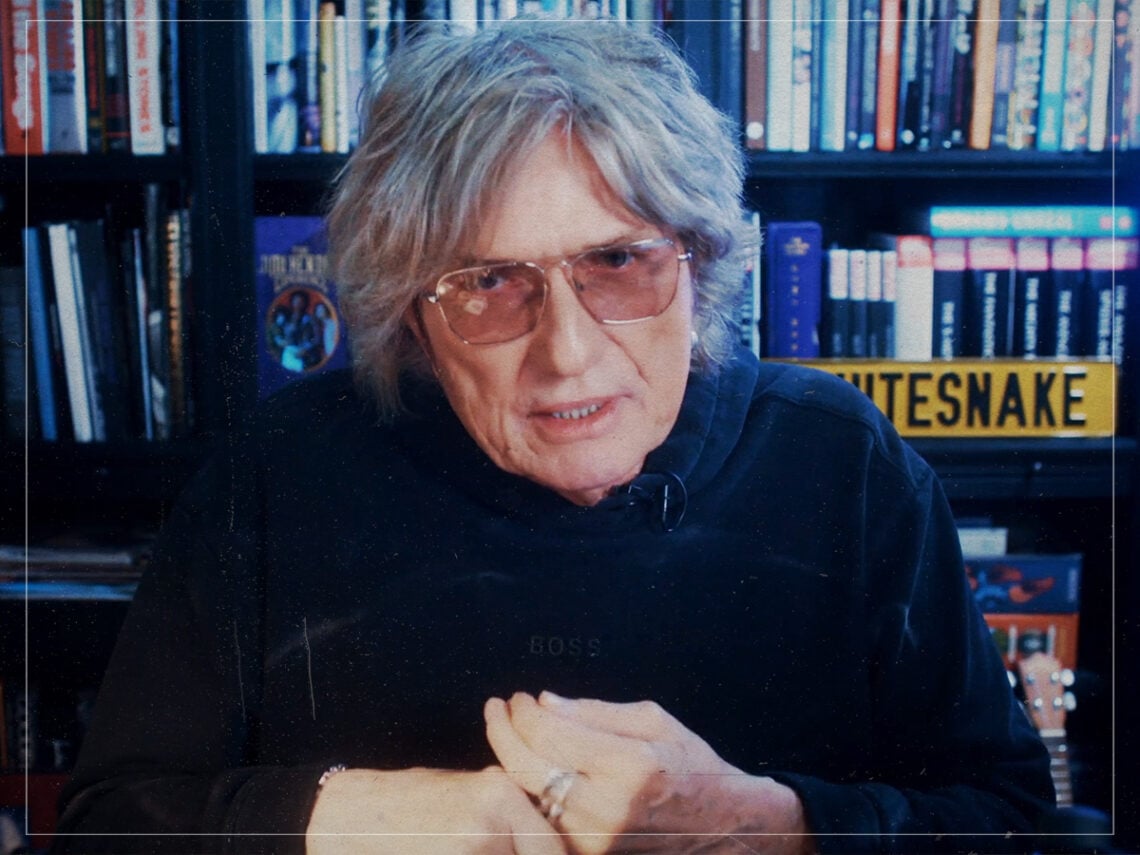
David Coverdale lists his all time favourite British albums

I get it, Rumours is iconic. The way in which the musicianship and storytelling overlap to create a truly succinct piece, filled with iconic grooves, solos and lyrics, I get all that. But it doesn’t stop me from preferring Fleetwood Mac‘s previous album over it.
The 1975 self-titled piece was the first under what we would now consider the official lineup of the band. Lindsey Buckingham had been recruited as the band’s new frontman with Stevie Nicks in tow. Initially drafted as part of a two-for-one deal, unbeknownst to the band, she would become one of their greatest songwriters.
I say unbeknownst, for it was at the very beginning, but swiftly proven wrong by the first fleet of songs she brought to them. ‘Rhiannon‘ proved the pop allure of her mystic lyrical leanings, while ‘Landslide’ was an achingly heartfelt ballad that, when performed by Nicks, seemed worryingly easy. These songs preceded ‘World Turning’, which, as a collective, proved the band were a harmonic force to be reckoned with.
While I can see why, I feel somewhat disheartened by the record’s oversight in the eyes of many critics, because it is undeniably brilliant. At least Whitesnake’s David Coverdale agrees with me, labelling it one of his favourite British records of all time in a list he made for Classic Rock.
However, Coverdale’s love for the band stretched well before the days of that 1975 album. Because, sitting two spots above Fleetwood Mac at number three in his list of definitive British albums was Blues Breakers with Eric Clapton by John Mayall and the Bluesbreakers. An album that had John McVie on bass and also opened the door to an alumni of future Mac members, all the way from their namesake, Mick Fleetwood, to Peter Green—the blues god Coverdale called “a breathtaking singer, guitarist and composer”.
Those two aforementioned albums act as bookends for a chapter in music that Coverdale clearly mythologises, for the majority of his list was all released in the period between those two releases. But perhaps the most surprising of all was Led Zeppelin’s iconic album II. Not for the musicality, for that is unquestionable, but for the long-running feud that existed between Coverdale and Robert Plant.
Coverdale and Plant’s former partner, Jimmy Page, collaborated to fulfil a long-awaited destiny for Coverdale. But playing with one of his heroes irked another, sparking a series of bitter jabs from the former Zeppelin frontman, who claimed the Whitesnake founder was merely a cheap knock-off of himself.
“There was a time, years ago, that I tried to mimic Elvis Presley,” he said. “That’s quite acceptable. But David Coverdale’s nearly my age. He is of my genre, even if he was in a lot of substandard groups. Really, you shouldn’t do it to your own gang, you know. When I aped somebody, they were so remote, it was like they were millions of miles away.”
It’s clear Plant didn’t take the Whitesnake frontman’s imitation as flattery, and Coverdale wasn’t going to chase after acclaim from his hero. In fact, he remarked, “There’s certainly no love lost between myself and Robert. I wouldn’t send him cat food if he was starving”.
Regardless, Zeppelin’s album rightly found its place in Coverdale’s top 20 and was in esteemed company. Joining Fleetwood Mac and John Mayall, Zeppelin’s record was nestled amongst Rubber Soul, Fresh Cream, and Long Player. But none of them topped Are You Experienced? and Axis: Bold as Love, which both top the list on account of Jimi Hendrix’s British backing band.
