


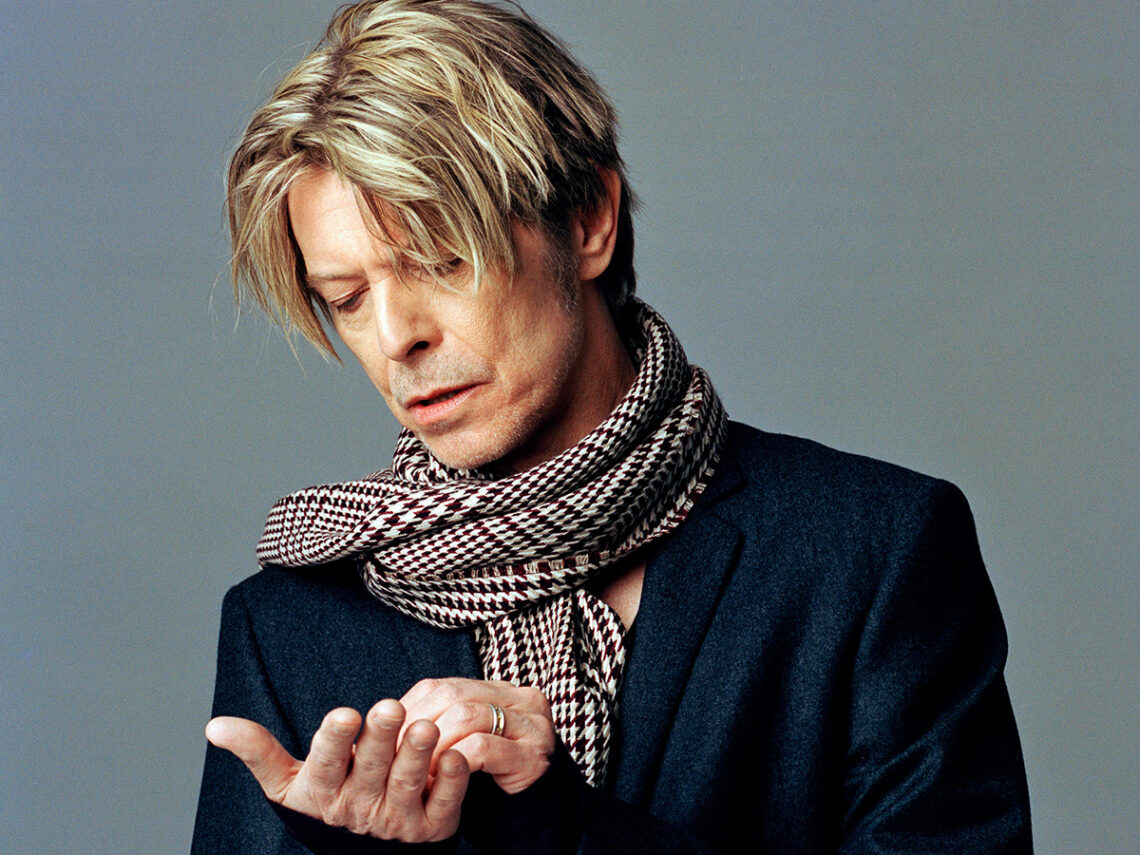
Franco, fascism, and fighting: David Bowie’s obscure fascination with the Spanish Civil War

Between being a mime artist, being captivated by Buddhism, or even just waiting backstage where he would supposedly knit, the life David Bowie led outside of music was almost more interesting than his one in it.
This is not to say, of course, that the man wasn’t as kaleidoscopic and adventurous as a space alien could be – but we all know that already. The point was, perhaps unlike other artists of his kind, Bowie had a very separate life outside of the sonic eye; one where music barely filtered in at times, and his interests were varied and massive.
In particular, one area that really set his brain alight was history, between London in the 18th century and, more specifically, the Spanish Civil War. To some, it might seem like an obscure or rather niche point of intrigue, but for Bowie, in his wider search for meaning in the world and raging against the dying of the light, it meant a lot more.
Indeed, without wanting to put too blunt a point on it, much of the Starman’s orbit in his most prolific years revolved around a certain political edge and a fire against fascism in all its forms. You saw that most clearly when he rooted himself in Berlin, with the fall of the famous wall becoming the muse for his most heroic airs. But whether that lit the spark or the flame was already burning, something irrevocably changed.
Although he obviously was not yet born in the 1930s when the Spanish Civil War was at its peak, the legacy of that fascism seared into his brain, all the way up to one fateful incident in 1975. Bowie, living in the US, had bought satellite time from a California TV station to carry out a British chat show interview. But then, they were suddenly contacted by the Spanish government. Franco was dead, and they wanted to announce it to the world.
While a major global event would have seemingly paled in comparison to a TV appearance, Bowie flatly refused to let Franco have the spotlight, and his interview went ahead as planned, without intervention from the Spanish. It may have seemed a small act of resistance, but it evidently remained in the minds of many who heard about it.
To this end, it was in 1992 that director Oliver Stone reportedly approached Bowie about taking a central role in a film about the conflict, as he saw the musician as a prime candidate given his anti-fascist history and further interest in George Orwell, whose Homage to Catalonia the movie was to be based on.

For one reason or another, that project never came to fruition, but it keenly demonstrated that the world had an idea of Bowie that was somewhat misplaced. During the same era, he had a certain flirtation with fascism, calling Adolf Hitler “one of the first rock stars”. But his resistance to Franco told a bit of a different story – and one that positioned him as the dictatorial leader in the chair.
In this sense, Bowie never needed to stand up to Spain’s history or express any strong sentiment towards it, because the ethos of everything he stood for already did the talking. The people recognised him as one of their own, whether in their acts of resistance, or simply in the fact that he knew he was sent to Earth to try and put the world to rights.
