


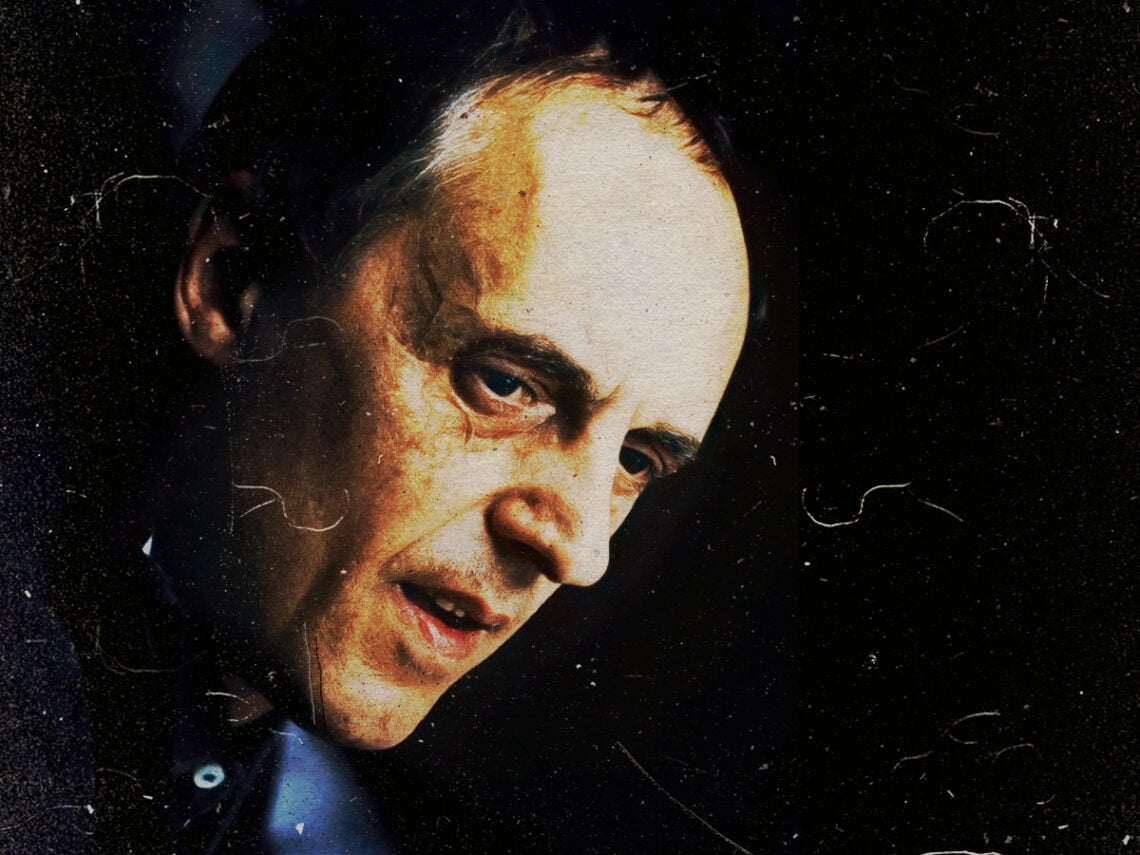
The filmmaker Dario Argento called “one of the greatest directors in history”

While horror films have been in existence since the early days of cinema, with the first scary movie coming in the form of 1896’s Le Manoir du Diable by Georges Méliès, it took decades for it to develop into something resembling the genre we know and love today. Hollywood’s Hays Code meant that explicit violence and sexuality were extremely limited for a long period of time, and it wasn’t fully abolished until 1968.
Horror movies were popular in the 1930s and ’40s, but this loosening of censorship in the 1960s and ’70s allowed the genre to make way for more gruesome tales featuring blood and gore. Over in Italy, giallo films blended horror and thriller sensibilities with graphic violence and sexuality, paving the way for the imminent slasher genre that became popular in the 1970s. Giallo directors include Mario Bava, Lucio Fulci and Dario Argento, with the latter beginning his career as a screenwriter.
However, his directorial debut, The Bird With The Crystal Plumage, remains one of the most seminal giallo films ever made. He swiftly followed it up with The Cat o’ Nine Tails and Four Flies on Grey Velvet, which were also popular giallos. He has worked on many successful movies, giallos and otherwise, such as Suspiria, Inferno and Deep Red, earning him the title of ’Master of Horror’.
Throughout his career, Argento has taken inspiration from another Master – Alfred Hitchcock – commonly known as the ‘Master of Suspense’. Beginning his oeuvre with short films such as The Pleasure Garden, Hitchcock became one of the greatest directors of horror and thriller movies, known for movies such as Rear Window, Vertigo and Psycho.
The latter was a seminal release in Hollywood history, with Hitchcock working with a smaller budget than usual, forcing him to go back to black-and-white film stock (which also helped him get away with showing so much blood). The movie is a horror classic, often regarded as a proto-slasher. Alongside Bava’s Black Sunday, released the same year, Psycho is credited with bringing more explicit violence to the mainstream.
Argento has always admired Hitchcock, telling the BBC, “I think he is one of the greatest directors in history, especially for his way of storytelling.”
Argento added that he is “passionate” about the filmmaker, “In Psycho, the script is not that new. But the way Hitchcock shot the movie made it genius, along with the music of Bernard Herrmann, of course. What was really incredible was the way he intensely shot every single scene. There was an immense rhythm to it, and that was brand new. It produced exceptional results.”
Psycho certainly provided Argento with inspiration when he began making films of his own. The Italian auteur is known for his striking use of visuals and music, and it is clear that he took note of Hitchcock’s unique way of styling his movies and subsequently came up with his own distinctive cinematic aesthetic.
