


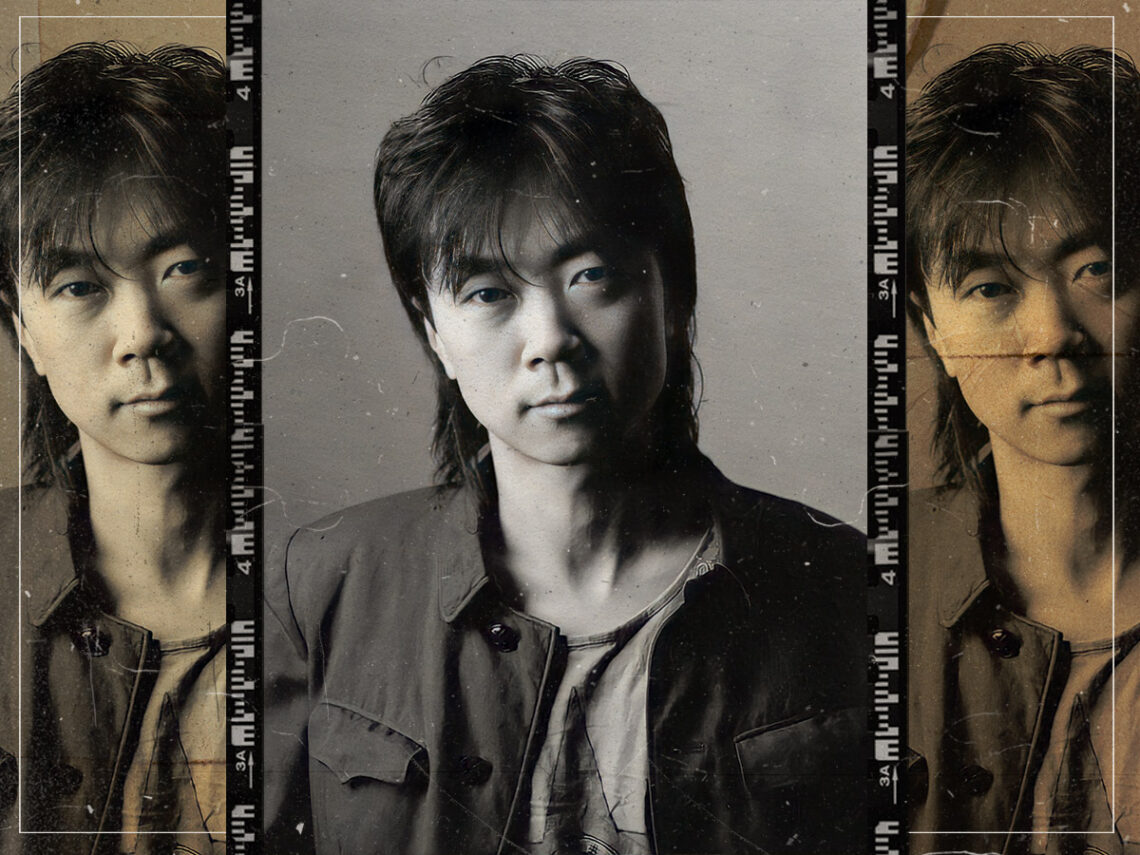
Cui Jian: China’s trailblazing first rock star

China, as a nation, is noted for many things, but it is not often known for its music. The musical scenes of other East Asian countries, such as Korea or Japan, have had a huge impact, both in their home nations and the Western world, too. Due to its complex social and political history, however, it took China a little longer to catch up with modern musical trends. Pioneering work by musicians like Cui Jian attempted to bring Chinese music into the modern age by incorporating Western rock ‘n’ roll.
Jian was born into a musical family, with his father working as a professional trumpet player and his mother a member of a Korean dance troupe. During his teenage years, he took up the trumpet himself, soon landing a position in the prestigious Beijing Philharmonic Orchestra. The world of classical music was not where the young trumpeter was destined to be. However, rock and roll was calling.
The period of the Cultural Revolution in China had purged what the state saw as capitalist influence from Chinese society, which prevented the country from feeling the influence of the rock ‘n’ roll boom that had taken over the world in the 1950s and 1960s. The period after the Cultural Revolution saw an influx of tourists into China, bringing with them Western rock music. Inspired by crackly tapes of Simon and Garfunkel and John Denver, Cui Jian gave up on his career as a classical trumpeter, pioneering Chinese rock music.
For much of the early 1980s, Jian could be found playing Western pop songs in the bars and hotels of Beijing. His first album, Langzigui, is awash with pop ballads inspired by those early tapes he had bought from tourists. As the nation grew more and more aware of Western culture, Jian began to incorporate the rock influences of The Rolling Stones and Talking Heads into his sound.
Although Cui Jian was among the first Chinese musicians to embrace rock and roll music, many of his contemporaries were simply rehashing British and American rock, whereas Jian brought a sense of authenticity and charm to the blossoming scene. His lyrics, which addressed topics such as sexuality and individualism, shocked audiences which had grown up during the age of the Cultural Revolution, providing them with songs the likes of which had never been heard before in China.
His rebellious spirit and fearless attitude endeared Jian to the younger generation of China, particularly students. After leaving the Beijing Philharmonic Orchestra in 1987, Jian devoted himself full-time to his rock rebellion, gradually incorporating more diverse influences of reggae, jazz and funk. Outside of China, Jian enjoyed international acclaim after a television appearance at the 1988 Olympics in Seoul.
Jian remains active in music to this day, enjoying a long and storied career after leaving the Philharmonic to entrench himself in rock. There is no doubt that the songwriter was instrumental in establishing the Chinese rock scene, as signified by the fact that, within China, he is often referred to as the ‘Father of Chinese rock’.
