


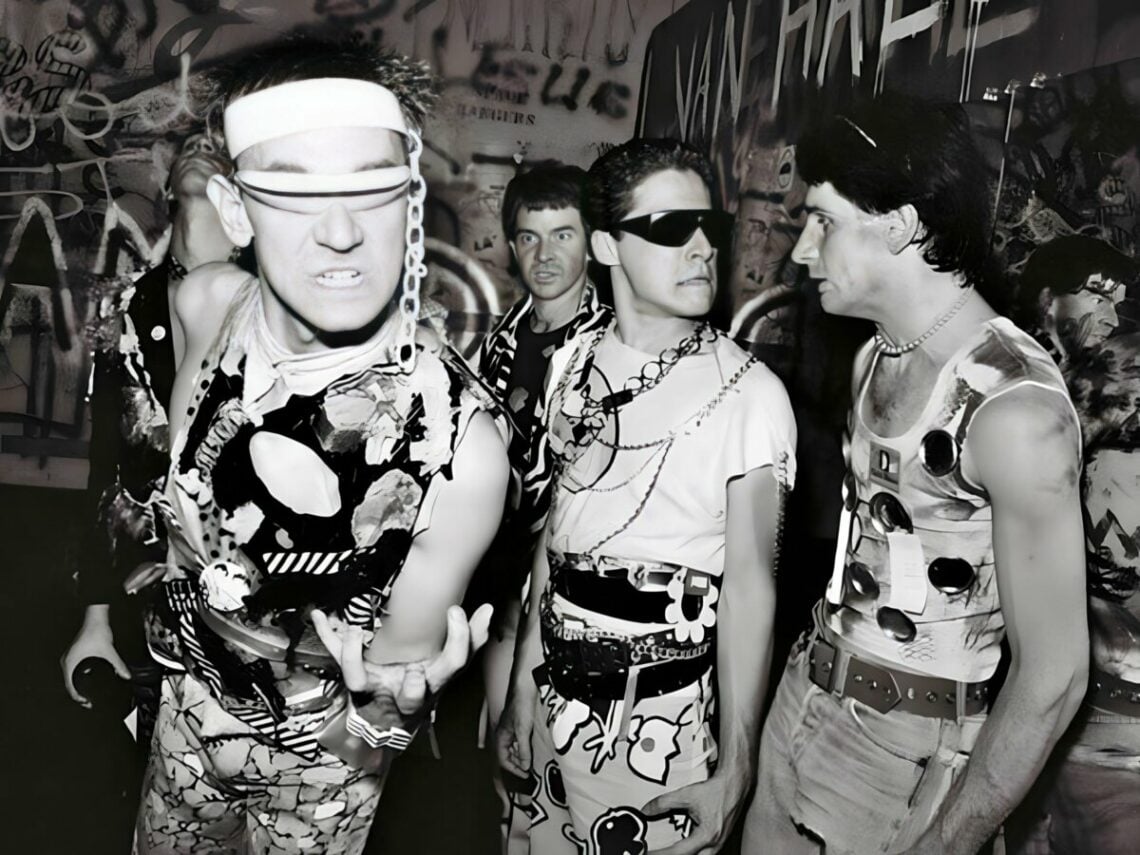
Crime: the punk band that performed in a prison

The punk ethos has always been about going against the grain. Much like Batman’s Joker would lead you to believe, punks are looking to upset the established order, bringing a little bit of chaos to everything around them. Or, in the case of a band like Crime, you bring your brand of punk to the chaotic prison cell.
When punk was still breaking in the late 1970s, Crime came up as a dirty punk band in the style of the Ramones. Although their music was a lot more gritty like Motörhead, the band were mining the same retro look that you would see out of Glenn Danzig just a few years later. While the greaser look suited them perfectly, the band had their eye on playing in a prison during their tenure.
After gathering together a handful of tunes like ‘Rockabilly Drugstore’, the band were scrounging for places to play. On the other side of the music world, this was still the years of arena rock, and drummer Hank Rank talked about not having anywhere to play, saying: “Bill Graham publicly declared that he would never allow a punk band to play any of his venues, and many smaller clubs were scared by what they read about the goings-on at punk shows”.
After combing through different potential venues, the band finally landed on the idea of performing in Sn Quentin prison. Granted, the idea of playing in a prison wasn’t unheard of. Johnny Cash had played to the convicts of Folsom Prison and San Quentin long before Crime had thought of it. What Cash hadn’t thought about was playing punk music. Although Rank mentioned that it was far from the best gig they had played, it was by far the most dangerous.
When it comes to the ins and outs of the performance, the band were given rules about their attire, saying: “They said we couldn’t wear blue jeans or a work shirt ‘cause in the event of a riot, they wouldn’t want us to get shot, mistaken for prisoners”.
Once they got up on stage, the prisoners were also less than enthused. While there was a clear racial divide amongst the prisoners, the band didn’t go over well with either side. They said: “So when we hit the stage, they all got up and moved away. It was a tough crowd. They didn’t exactly get the music, and the guards up on the tower with their guns, looking down, shaking their heads. Nobody there knew what to make of us”.
Despite their punk credentials, the band were scared out of their minds when they got up onstage, fearing that one of the prisoners would take them hostage. Braving through the set with the help of some valium, the band did win over a few of the crowd, with some inmates holding up signs with the band’s logo on it by the end of their set.
While the show was divisive amongst the audience, Rank looked back on that gig like a badge of honour: “That’s why we were open to the idea of Museums Without Walls that put art and music in unlikely places,” he said. “We were the only punk band on the show that hot sunny day in the exercise yard at the Q”.
Regardless of how the show went out, Crime’s visit to San Quentin stands as an underrated lowlight of punk history. Punk has always been about going against the grain, and if that means going to a prison in order to earn your road stripes, so be it.
