


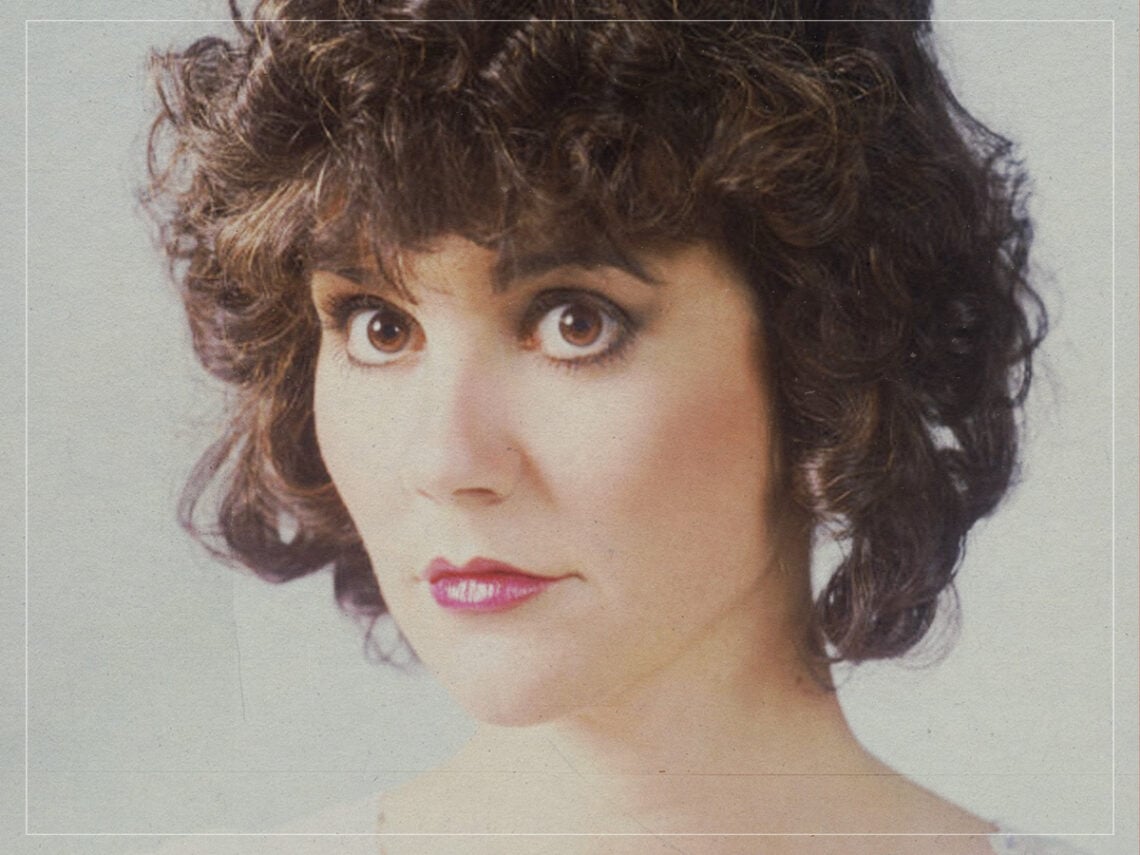
The country singer Linda Ronstadt said no one can improve on: “Can’t get any better”

The Troubadour is one of the most mythologised venues that ever existed – just ask Linda Ronstadt, or anyone else who frequented there when it was still in its heyday.
“The Troubadour, man, was and always will be full of tragic fucking characters,” Glenn Frey once said, and, although his words were pretty scathing, it was a feeling shared by many at the time. If it wasn’t about people being “has-beens and hopefuls”, as Frey put it, it was about the fact that nobody knew what was coming or going, who was authentic, and which opportunities were legitimate.
Ronstadt might have felt the same way at certain times, but she also knows how important it was when boosting new talent. After all, she once said that it was like a cafe-like microcosm where small singers had a stage to try to prove themselves, and people ventured from all over for their shot at making it. Ronstadt would sit in a corner with people like Doug and Ronnie Dillard, singing bluegrass until the alcohol gifted them a nice buzz and a syrupy grip on reality.
Many of these scenes and the people in them, like Longbranch Pennywhistle, JD Souther, and eventually Glenn Frey and Don Henley, ended up shaping Ronstadt’s path, while setting others off on distinctive ones of their own. It also made Ronstadt realise the kind of singer that she already was, and how her mindset and approach already differed from those around her.
For starters, Ronstadt already knew the type of music and musicians that she loved – she’d already grown up around all of her cherished heroes, and knew the ones that she wanted to channel in her own material. Granted, she’d struggle with her own self-perception for years and years, most notably with regards to her voice, and how she felt she wasn’t exactly the type of singer she actually wanted to be until years into her career.
But there was always a self-assuredness that meant that, even when Ronstadt experienced imposter syndrome, she already had the tools to guide her in the right direction. A lot of these influences also came from a diverse pot, from the legends of her heritage to the more current innovators in rock and country rock.
But even then, most of what Ronstadt loved was already instilled in her, like her love for country, which she once said only occurred because of her “Southwestern background”. Discussing this with Country-Western Stars in 1971, Ronstadt emphasised the impact that country stars had on her style, singling out the one who stayed with her the most.
“I learned a lot from Kitty Wells and other country singers,” she said. “You can’t get any better than Hank Williams. He’s still an important part of the country music scene.”
Ronstadt once covered Williams’ ‘I Can’t Help It (If I’m Still in Love with You)’ for her magnum opus, Heart Like a Wheel, which also went on to win a Grammy for Best Country Vocal Performance. It might’ve seemed like a major milestone, especially taking on a song that was already seemingly a perfect version of what it was.
But Ronstadt did what she always did – made it her own without straying too far from its essence, pouring most of its emotional core into her vocal performance and giving it a more effortlessly timeless feel.
