


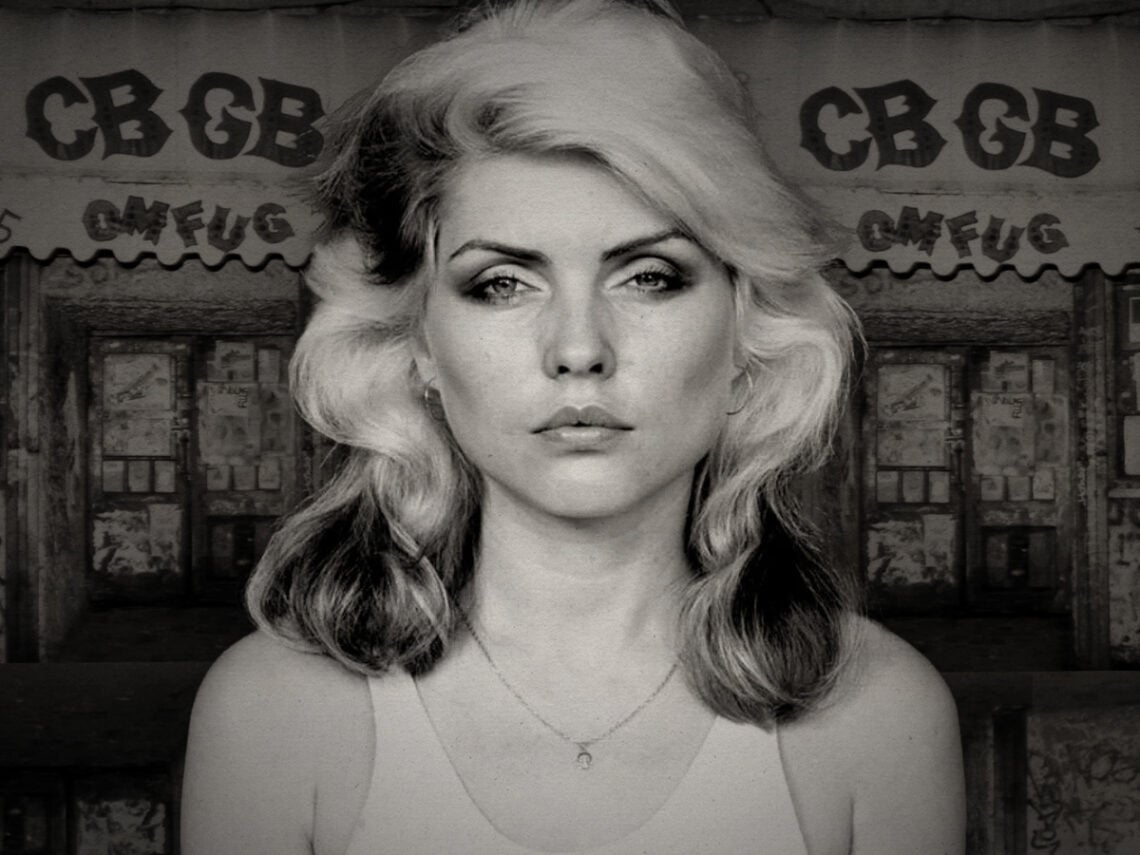
Could the CBGBs ever happen again? Debbie Harry doesn’t think so

Any punk fan eager to make the obligatory pilgrimage to the former CBGBs spot will be struck with a deflating thud of sadness at what’s now taken over New York City’s former countercultural ground zero.
A fucking John Varvatos clothing store!? Really? It’s a bleak signifier of the times when the epicentre of 1970s’ urban outsiders, dissidents, and the marginal who sought to make their weird mark on music is now hijacked by a luxury retail brand charging $100 for a T-shirt. Adding an extra layer of quease are the artfully torn vintage gig posters and punk memorabilia, only further hammering nails into the neoliberal coffin of CBGBs’ legacy.
It’s an economic pummel blighting much of the Western world, sweeping aside all accessible cultural space and possibility for grassroots creativity to appease capital’s insatiable maw. With a global economy entirely centred on maintaining high rents and protecting greedy landlords, punk’s flashbang or any other countercultural equivalent, be it the Beats, hippies, or free ravers, have increasingly rendered music and the arts the plaything of the rich who can afford to navigate the crippling cost of living without survival mode.
It’s a grim trajectory recently mused by Blondie. One of the leading forces of the original CBGBs community and standing as its first superstar, singer Debbie Harry offered a sober reflection on whether the punk scene that burnished their new wave icon stature could ever spark in the same way today. “The confluence of elements was extraordinary, that I don’t know if that could happen again,” she told Consequence in 2025. “I don’t think it could happen again in New York City.”
We need to remember the city’s climate half a century ago. Teetering on bankruptcy in 1975, New York had become blighted by urban decay and soaring crime rates, even Manhattan’s Times Square was a grubby stretch of porno theatres and topless dive bars. Yet, such conditions afforded a cheap environment for the day’s artists and bohemians to take advantage of the many loft spaces dotted around SoHo to conceptualise their project, write that book, or rehearse a nascent band. Fortunately, Hilly Kristal was able to take a punt on the spot at East Village’s 315 Bowery, later revamping his Hilly’s on the Bowery to the famous Country, Bluegrass, Blues, and Other Music For Uplifting Gourmandizers.
But how can private capital make money from counterculture? The open economic terrain oversaw a solid 15-odd years of artistic innovation and street-level cultural expression, from the South Bronx’s hip-hop bloom to the colourful collision of pop and art that scored the Lower East Side across the 1980s. But then the ‘clean-up’ happened. First triggered by Mayor Rudy Giuliani, before kicking off in earnest by Mike Bloomberg, the 1990s and 21st century oversaw an unfettered corporatisation of the once vibrantly rebellious city, neutralising the underground edge, pushing the struggling artists further and further away from the urban centres, before none existed at all.
Such economic displacement then hit everybody other than the dull and rich, the working class, immigrants, young people, the homeless, and queer communities, all turfed out by a system that deems a John Varvatos store of more value than an independent punk community and venue.
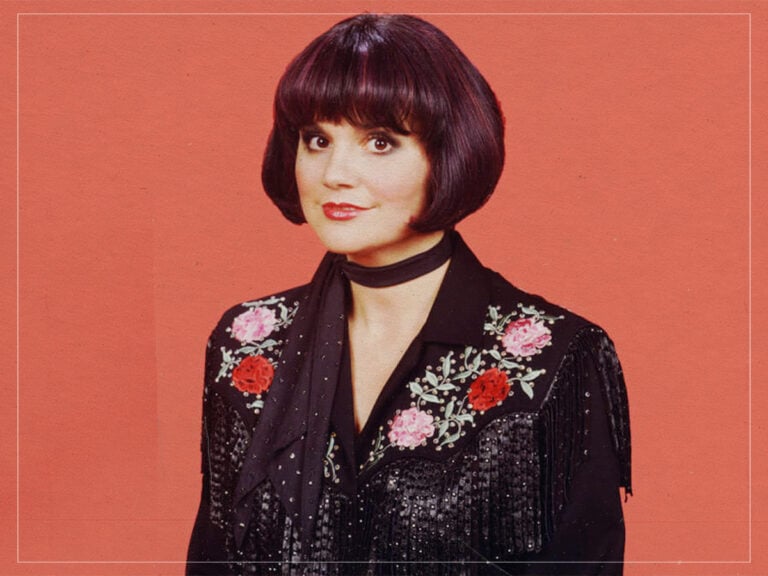
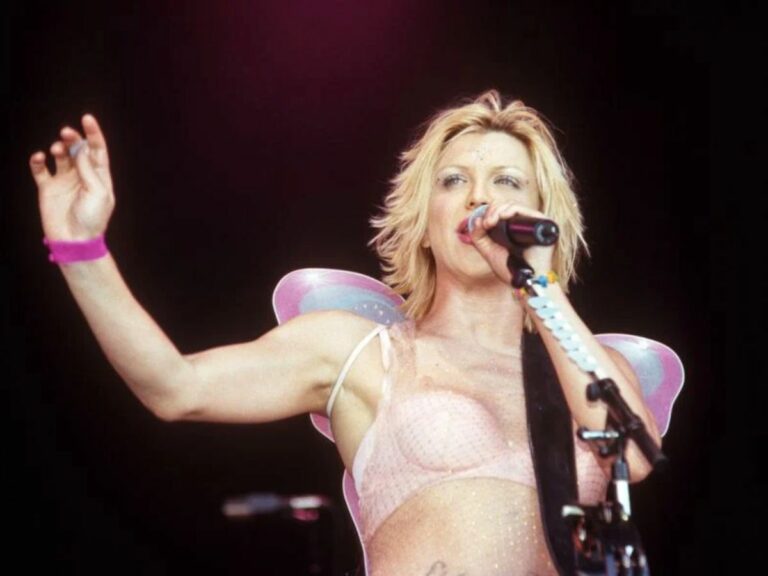
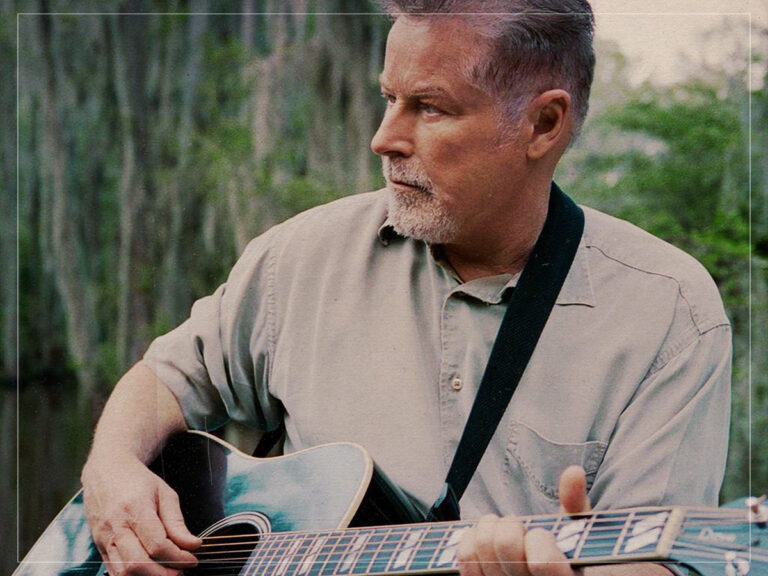
Can something like CBGBs ever strike again? With the direction America and much of the world are travelling, not likely. Art, music, and a cultural vanguard can only operate in conditions that allow humanity’s teeming differences to flourish, a settlement that feels like ancient history in a world where one’s value is only measured by economics and whether you pose a threat to a hysterical culture war right blinded by its own persecution complex. When an indie cinema, a little punk club, or an arts centre closes down to be bought by a luxury clothing store, we all lose.
“All of Manhattan has lost its soul to money lords,” Dead Boys guitarist Cheetah Chrime once lamented, casting his eye on the alley behind the old CBGBs that’s now a bland shopping mall. “If that alley could talk, it’s seen it all.”
