


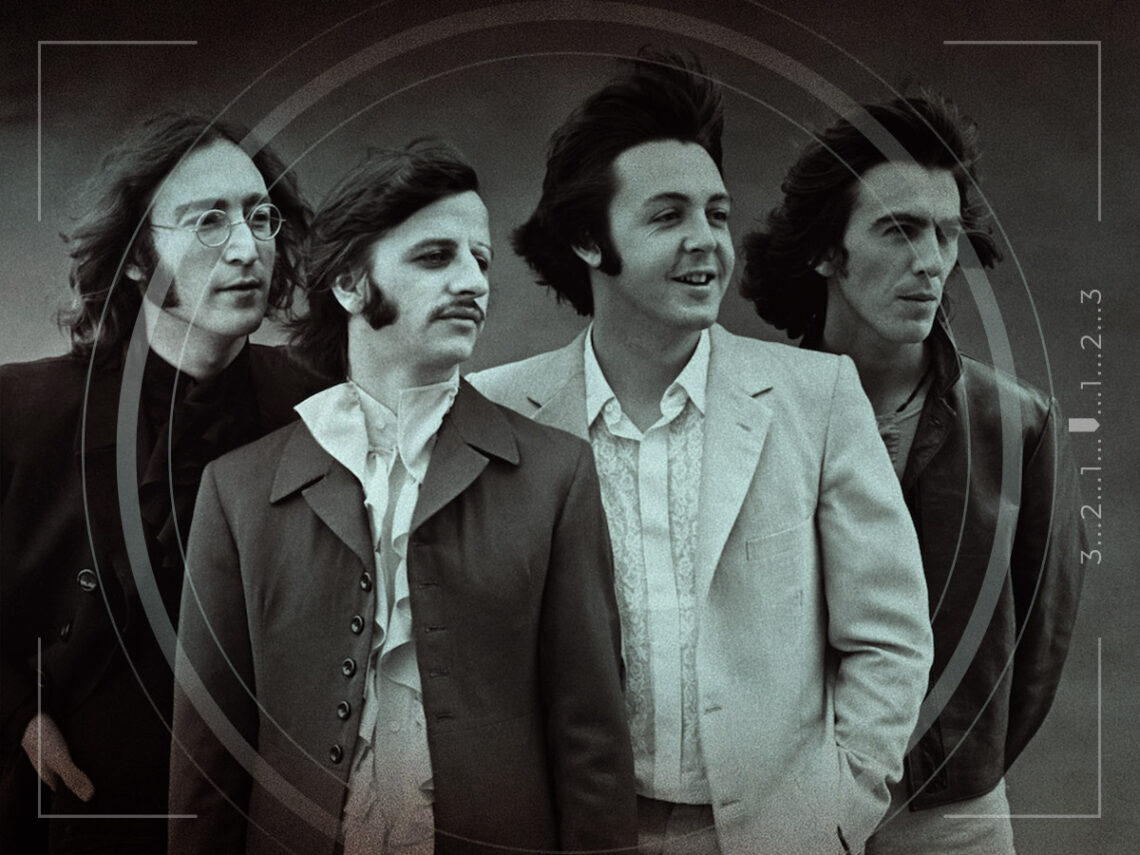
Could The Beatles have stayed together?

It’s difficult to argue that The Beatles didn’t split at the right time. Sure, we’d all like more Fab Four tunes, but the writing was well and truly on the wall. The band had long since had enough of the day-to-day aspects of being The Beatles—from the intense scrutiny they were under all over the world to the red tape involved with operating as the most famous people on the planet.
Most of all, though, they were fed up with each other. If anything, it’s something of a miracle we got Abbey Road at all, considering how often members were quitting it in the last few years of the band. However, the question remains in the back of our minds: what if they’d stayed together? It’s a tantalising concept. The greatest band of all time, continuing past the ten years we were lucky enough to get them for—would it be everything we wanted, or would it have tainted their legacy?
Could they even get through the 1970s? It was, after all, the decade they arguably built. Almost every major musical trend of that time was a response to something the Fabs did first until well into the decade. However, it was also a response to them. Everything got bigger, darker, heavier and grander than what The Beatles were responsible for or equipped to deal with.
Would they be considered old hat in a rock scene dominated by the likes of Led Zeppelin and Black Sabbath? Would their music even be good? We do have an idea of what the music would be like based on their solo careers, and, let’s be real here, it’s not exactly 24 carat the entire time. However, hypotheticals are always a good time, so let’s have a think about how it could have happened.
How could The Beatles have stayed together?
The band were at each other’s throats most of the time in the late 1960s, so how do you possibly convince them to stay together? Perhaps the first course of action is to give them a break. Peter Jackson’s wonderful Get Back documentary showed just how intense their working schedule was, as well as the demand for new music. That said, the documentary doesn’t show a bunch of burnt-out rock stars barely making it up the stairs without a bump of cocaine.
In fact, quite the opposite. It shows some extremely driven musicians, all with their own vivid musical imaginations and a desire to express them. And also a John Lennon strung out on heroin, barely able to sit upright, but that’s its own thing. Clearly, the problem isn’t burn out. If the band are sick of anything, its not getting their ideas for the music heard. So there you go then, make the band more of a democracy.
Each member, especially George Harrison, gets an equal opportunity to make their voice heard and get their songs on the records. Job done. This is easier said than done though. Especially since the figure who could have shepherded them through this period of uncertainty passed away in 1967. Brian Epstein was a lot more than a manager for the band; he was basically a father figure to them.
He was a figure whose counsel they could always trust and who could always tell them when they were falling out of line. His passing led to the one-two punch of Lennon’s personal problems and Paul trying to take his place as a sort of musical player-manager. Both of which, but the latter especially made the relations between the bandmates sour dramatically.
Let’s say, one way or another, the Fabs find a manager each member trusts and respects, who forces them to A) play nice with each other and B) slow up their schedule so they can come back to work rejuvenated every time. The question this raises is whether this would lead to the band’s solo working out. Harrison, in particular, was first out the gate with his album All Things Must Pass. A triple album made up of nearly five years worth of forcibly stockpiled songs.

This points to the question of whether he would have saved those for the band if he knew they had a good chance of making it to the record. Or does he keep the greatest works for himself, with the desire to be taken on his own terms still burning despite the band keeping on?
On Lennon’s account, his early 1970s were as much about his activism as they were about the music. While it stands to reason that the band that wrote ‘Revolution’, ‘Taxman’ and ‘Blackbird’ weren’t going to chicken out of making political statements, would the “bed-ins” still happen? Would any pushback on Lennon taking time away from The Beatles to lounge around a hotel bed with his missus giving interviews all day be taken personally?
McCartney arguably found himself by going solo. The dissolution of the Fab Four nearly broke the man, but he found himself through the support of his wife Linda and their happily married life in High Park, the farm they shared in Campbeltown, Scotland. Absolutely titanic songs like ‘Maybe I’m Amazed’ were written as a direct response to times like that. Do they remain if the band does too?
In all, hypotheticals are fun, but there comes a time when one has to say that the steps taken to get there are just too many to accurately predict. A lot would have to go very differently for even the slightest chance of The Beatles surviving into the 1970s and as we’re finding out, a lot of what truly made them truly happy as people would have to be sacrificed.
Lennon and McCartney found themselves in adulthood with Yoko and Linda, respectively, while Harrison lept into his charity work and dedication to Indian music. Even Ringo had a blast in the 1970s, cashing in on being arguably the most loved member of the band at the time for a successful solo career. With all that in mind, one has to wonder whether having the band together would have been worth sacrificing their growth as people.
A message for all of us, maybe. Sitting around and wondering what could have been is seductive, but all it does is make you miss what you’ve got in front of you. For the vast, vast majority of the time, you’ll end up missing something truly wonderful.
Unless it prevents the ‘Frog Chorus’, then they should have absolutely stayed together, no matter the cost.

Never Miss A Beat
The Far Out Beatles Newsletter
All the latest stories about The Beatles from the independent voice of culture.
Straight to your inbox.