


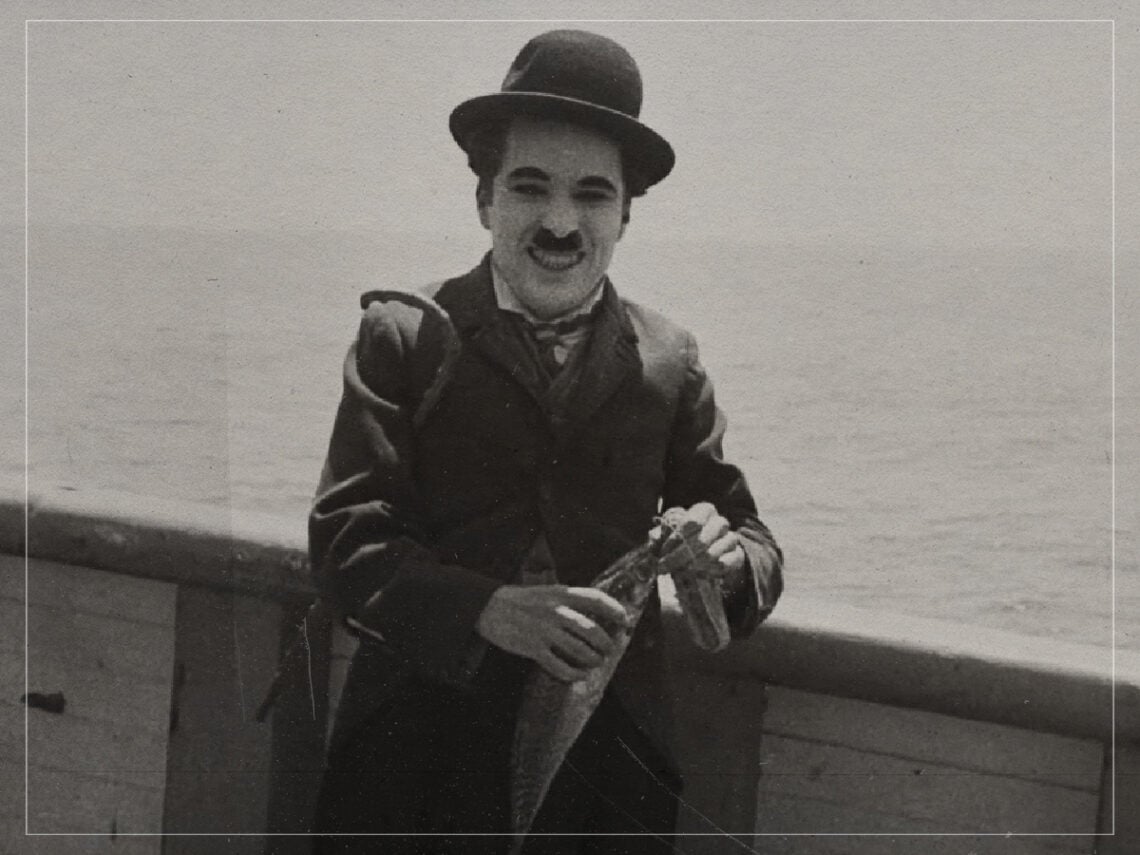
The controversy that led several US cities to ban all Charlie Chaplin movies

Charlie Chaplin was an icon of the silver screen, and it’s hard to imagine a world without his films casting an indelible shadow over cinema, his top hat and moustache a symbol of a new dawn, a new era of creative experimentation.
But just because you make good art, doesn’t mean you’re a good person, and while Chaplin might have created some monumental pieces of filmmaking, forever changing comedy with his slapstick role as the Tramp, directing himself in classics like Modern Times and City Lights, off-screen, he had a troubled relationship with women and young girls.
It’s crushing to discover that such an influential and terrific artist was a bad person, and his involvement with a child is certainly not discussed as much as it should be. When he married Lita Grey, she was just 15, and he was 35, but he had first met her when she was eight years old in a café. This was a classic case of grooming, with Chaplin casting her in several films before eventually beginning a relationship with her.
Of course, this wasn’t going to last, and it wasn’t long before Chaplin began sleeping with other women, resulting in Grey filing for divorce and even accusing him of being a bit of a pervert. The high-profile case thus led many people to turn their backs on the filmmaker, and in Lynn, Massachusetts, the mayor decided there was only one thing to do: his movies would be banned.
So, in 1927, the area ensured that Chaplin’s movies couldn’t be screened on account of his shocking behaviour, which is certainly interesting considering that it wasn’t the fact that he’d married Grey when she was 15 that did it for people, but rather because he had committed infidelity.
A few decades later, further controversy surrounded Chaplin when he faced Communist accusations, which, paired with further issues regarding affairs, paternity suits, and another marriage to an incredibly young woman (the 18-year-old Oona O’Neill, whom he wed when he was 54), left the filmmaker subject to plenty of criticism. A smear campaign was executed with help from the FBI, and Chaplin’s popularity diminished, resulting in his incredibly personal film Limelight, about a fading star.
The controversy continued, and Chaplin was further suspected of harbouring political views that simply weren’t accepted in Hollywood, subsequently resulting in being banned from returning to the US when he left for the UK premiere of Limelight, and he didn’t return for 20 years.
As a result of this media fanfare and smear campaign, his movies were once again considered unacceptable viewing to certain audiences, and in Memphis, Tennessee, his movies were banned. They remained banned for a while between the 1940s and the 1950s, but eventually people started to screen Chaplin films every so often, and they got away with it.
You can try and ban art, but it doesn’t always work, and in this case, audiences gradually fought back; people enjoyed the comedy of his pictures, and while his reputation was now considerably tarnished, the power of his movies was enough for all of these bans to ultimately be reversed.
