


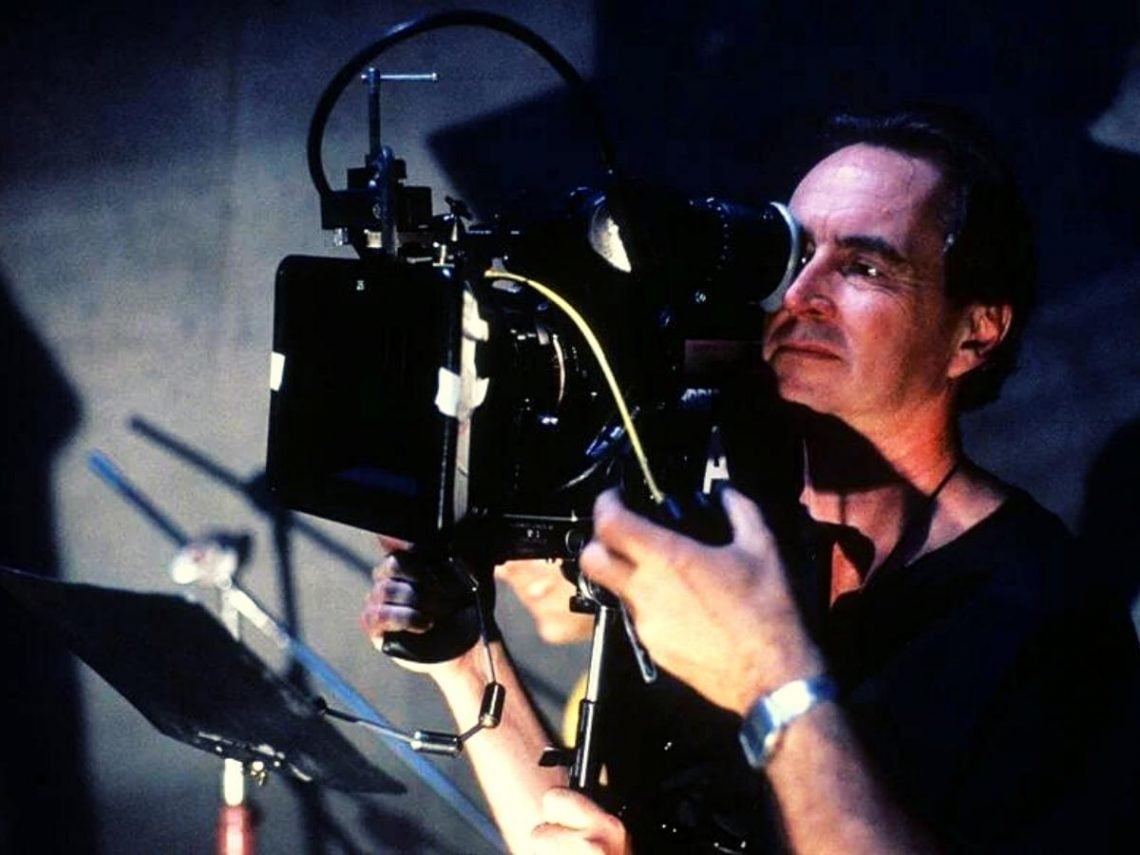
‘The Last House on the Left’: The controversial Wes Craven movie that found a defender in Roger Ebert

Before Wes Craven made some of horror’s most iconic movies, like A Nightmare on Elm Street and the Scream series, he stirred up considerable controversy with his debut feature, The Last House on the Left. This film truly tested audiences’ resolve, and its low-budget look, horrific themes, and descent into pure depravity were enough to leave Craven’s career hanging in the balance.
The filmmaker went on to become one of the genre’s biggest names. His movies introduced the world to iconic villains like Freddy Krueger and Ghostface. With Scream, in particular, the director played into horror clichés and revitalised the genre, which was facing a slump in the mid-1990s.
Craven has always been an adventurous and boundary-pushing director, but with his debut feature, people were quick to label him a bad filmmaker who relied purely on shock. The Last House on the Left falls into the rape-and-revenge subgenre, which has been highly-discussed over the years. While some films that fall into the category have been praised for their feminist themes, like Ms .45, others have been decried as exploitative and misogynistic, such as I Spit On Your Grave.
The Last House on the Left has received mixed reception over the years, and it remains a highly contentious piece of cinema. While modern-day audiences have been more open to discussing the film from various perspectives, such as exploring its use of bisexuality or its feminist undertones, when it first premiered, most critics believed the movie to be sexist and disgusting.
The movie sees two teenage girls become the victims of a group of recently released convicts who rape and torture them. Then, one of the girl’s family hunts the attackers down in a quest for revenge.
Reflecting on the negative critical reception that the movie received, Craven told Filmmaker Magazine, “I wanted to make a scary film that felt really scary, and true, and because I didn’t know anything about directing I just staged it like real events. I didn’t know what a master shot was, or a close-up, or coverage. I didn’t know anything.” Craven wanted to make a movie that would shock audiences, not just for a cheap money-grab, but to truly expose the kind of horrors that are rampant in society and rarely get talked about.
“By that time I was separated from my family and living hand to mouth. Anyway, the movie got made and caused a sensation. A very dark sensation – it got a very personal, extremely negative and disgusted reaction from just about everybody except for Roger Ebert. He gave it three-and-a-half stars and saw something in it that nobody else did. Everyone else was dismissive, and my friends barely talked to me after they saw the film. My social life among New York academic types disappeared,” he explained.
Craven’s approach to making the film was courageous, and even though many people didn’t like it, he knew he had made something he was passionate about, and Ebert’s review gave him the strength to continue directing. In Ebert’s review, he called it “a tough, bitter little sleeper of a movie that’s about four times as good as you’d expect.”
He also praised Craven’s directing, stating that it “never lets us out from under almost unbearable dramatic tension.” He also wrote, “There is no glory in this violence. And Craven has written in a young member of the gang who sees the horror as fully as the victims do,” even comparing the movie to the equally controversial Straw Dogs.
