


‘Contempt’: How Brigitte Bardot gave Jean-Luc Godard his most successful film

Commercial appeal was not in the artistic manifesto of Jean-Luc Godard, or any of the legendary directors who made up the core of the ‘nouvelle vague’, for that matter, but back in 1963, the recruitment of one of France’s defining cinematic faces helped create the director’s biggest commercial smash without betraying his morals.
Aiming to destroy the conventions of French cinema and rebuild from the rubble, the French New Wave was to cinema was punk rock was to the music industry; a cultural revolution. Rather than big budgets, elaborate sets, and fantasy tales of faraway lands, directors like Godard were working on shoestring budgets, out in the streets of Paris, capturing the stories of ordinary people, guerrilla-style. It was revolutionary, changing cinema forever, but, at the same time, it wasn’t exactly keeping studios afloat.
Much like punk, in fact, the new wave appealed only to a rather niche audience, in hindsight, and niche audiences don’t rake in big box office figures. As an outspoken Marxist filmmaker, of course, those capitalist ideals didn’t often concern Godard, but by the time that 1963 rolled around, money was in seriously short supply, and the director was in need, for want of a better word, of a hit.
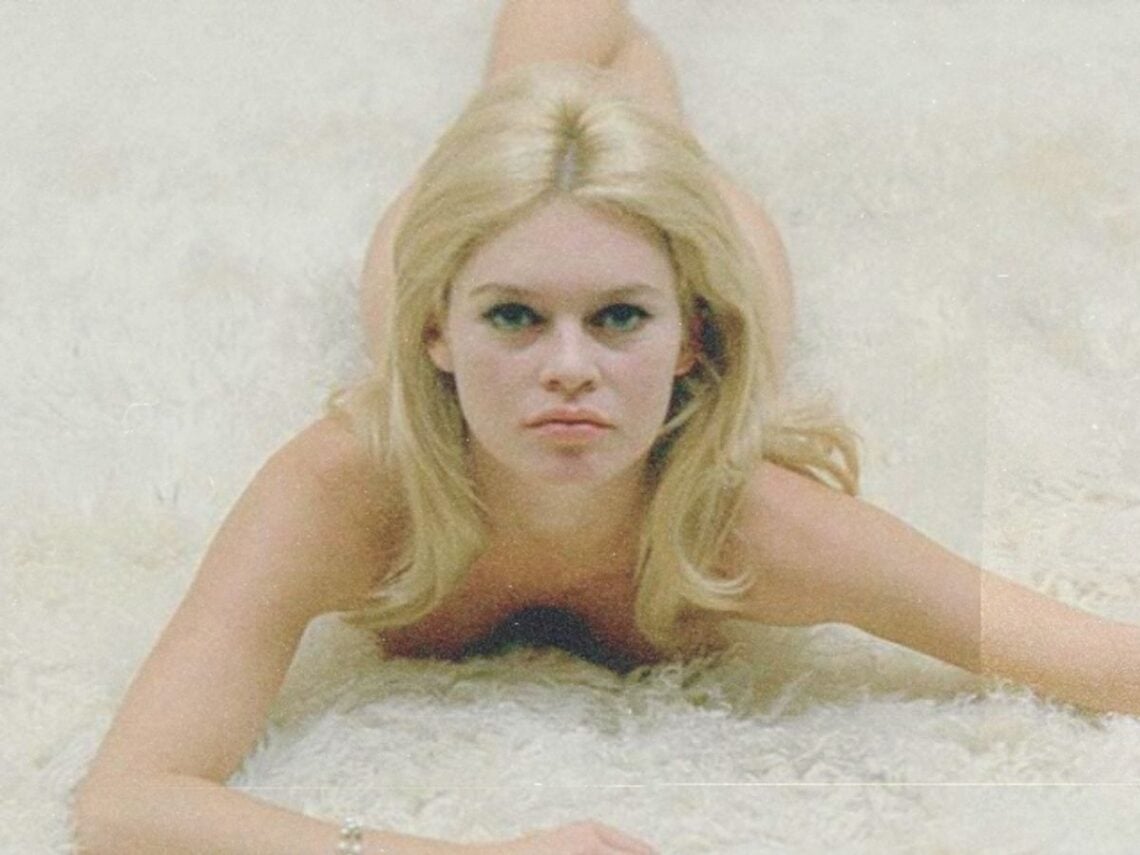
An adaptation of Alberto Moravia’s novel Il Disprezzo was chosen for this would-be hit project, entitled Le Mépris (or, Contempt), and Godard was set to work alongside the famed Italian producer Carlo Ponti, who demanded that the lead role be taken on by somebody with enough star power to drag the audiences in off the street. It is no surprise, then, that it was Brigitte Bardot who ended up landing the lead role.
With a film career long predating the emergence of the nouvelle vague, as well as a blossoming recording career spurred on by the likes of Serge Gainsbourg, Bardot was already among the most recognisable figures in the entirety of French popular culture – so much so that Simone de Beauvoir once declared her as being “as important as Renault automobiles” to the European nation.
Bardot was a ready-made film star, but she wasn’t exactly the kind of performer that Godard was used to working with, culminating in a famously disastrous production process for Contempt. Not only was half of the film’s budget spent on the actor’s fee, but her sex symbol status seemed to be overshadowing what Godard saw as the art of cinema, with the American producers demanding various exploitative nude scenes over the course of the project.
The entirety of the project, in fact, was marked by a continuous battle between art and commercialism, in many ways reflecting the battle between the old and new school of French cinema in general.
In the end, though, a happy medium was reached. While Godard himself probably would not have considered Contempt among his greatest works, it is still awash with his unmistakable influences and, what’s more, it became the biggest box office smash of his entire filmography.
Aside from Contempt capturing the unending battle between the cinematic establishment and the bold new wave ushered in by the likes of Godard, it also reflected the sheer power wielded by Brigitte Bardot at that time, capable of making or breaking any film, regardless of its setting.
