


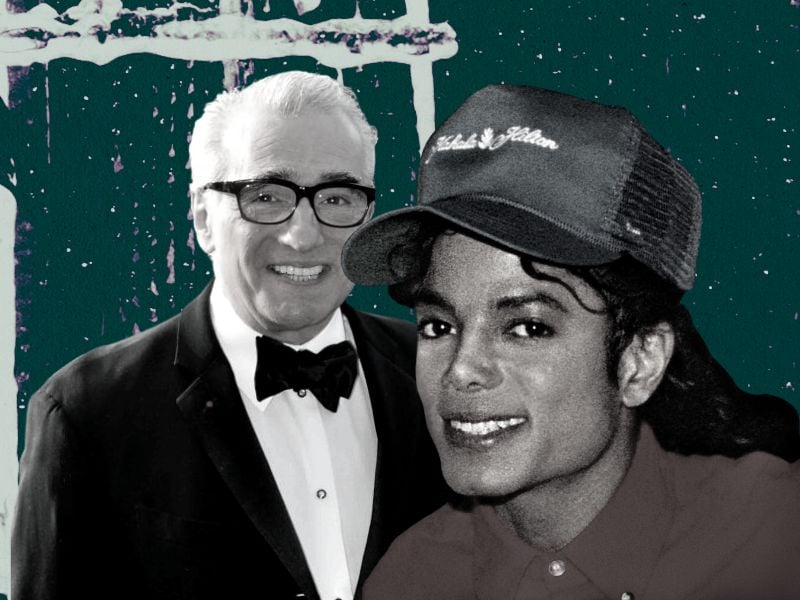
The connection between Michael Jackson and Martin Scorsese’s ‘Goodfellas’

When discussing the ultimate gangster films, 1990’s Goodfellas invariably comes up for many reasons. One of the finest works ever made by American auteur Martin Scorsese, the picture tussles for the top spot with Francis Ford Coppola’s 1972 masterpiece The Godfather, reflecting just how consequential it is. Based on Wiseguy, the 1985 novel by Nicholas Pileggi, Goodfellas explores the glorification of a life of crime and the moral questions that come with following that path through the lens of telling the story of real-life mobster Henry Hill.
Totally authentic, there is no romance, as is the case with The Godfather, and Scorsese retells Pileggi’s story like it is. It is brimming with unforgettable performances, with the highlight coming via the late Ray Liotta, who plays Hill, in what is his career-defining turn.
Although Goodfellas features a host of memorable figures such as Robert De Niro, Joe Pesci and Lorraine Bracco, there are a handful of more surprising roles from unexpected characters. These include former NYPD cop Louis Eppolito who worked for the ‘Five Families’ of the American mafia, and lawyer Edward McDonald playing himself; however, one appearance is more random than the aforementioned.
Music industry titan Frank DiLeo plays Tuddy Cicero. DiLeo was famous for being controversial pop star Michael Jackson‘s manager between 1984 and 1989, with Scorsese meeting DiLeo when he was Jackson’s manager, leading to him casting him in the movie. Famously, Scorsese directed the short film Bad in 1984 for Michael Jackson, which eventually became the iconic music video for the hit of the same name, and it was during the shoot that he got to know DiLeo.
Whilst it might have been expected that DiLeo would have a minor part in Goodfellas, his role was actually rather significant. Tuddy Cicero is the brother of the boss Paulie, and when we see a young Henry Hill learning the ropes of the mob, Tuddy acts as a role model, ushering him into the life of crime, and forcing the postman to redirect the letters from his school telling his parents of his absence.
“I don’t know what the hell’s wrong with you,” Tuddy says to the young Henry Hill at one point at the start of the film. “We gotta toughen this kid up.”
Notably, it is Tuddy who pulls the trigger on Joe Pesci’s Tommy DeVito, a pivotal part in the film, which kicks off the final act, effectively setting Hill on his path to becoming an FBI informant. We don’t know what happens to Tuddy in the end, but his role in the events is essential, nevertheless.
