


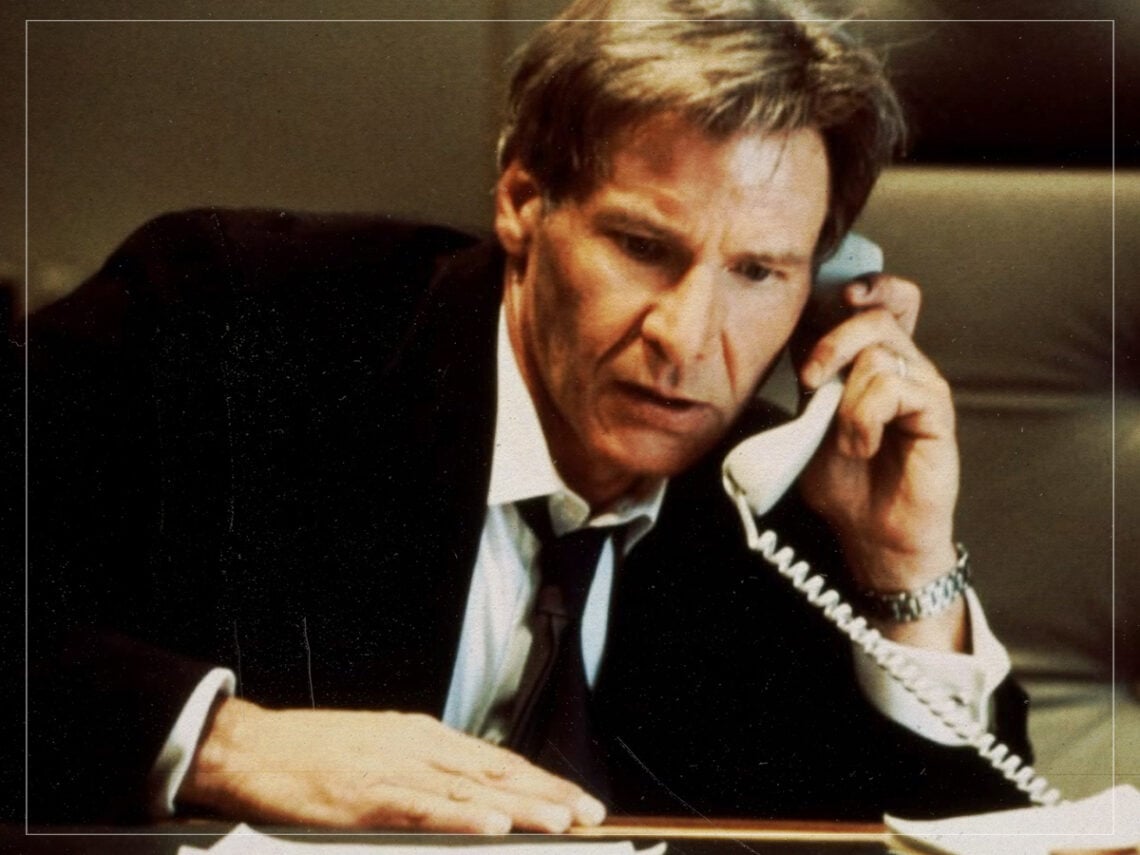
The co-star who hates Harrison Ford with a passion: “A little man, short, scrawny, and wiry”

Most actors who work in Hollywood for a long enough period with any degree of success tend to pick up a few enemies along the way. After all, it’s human nature for rivalries to exist in any industry, and in the hyper-competitive world of the movie business, those feuds can often have millions of dollars riding on them.
Yet Harrison Ford has generally managed to avoid the kind of public disputes that have defined the careers of many Hollywood stars. His reputation has long been that of a consummate professional, even if his famously blunt personality has occasionally earned him a reputation for being difficult.
Throughout his career, Harrison Ford is one of the few stars who doesn’t seem to have rubbed too many people the wrong way, and that’s saying something, considering he’s been at the top of the A-list for more than 50 years. However, one notable actor hates Ford’s guts – and he’s never been shy about stating it publicly.
In 1991, Ford was on a roll. His most recent four movies – Working Girl, Presumed Innocent, Indiana Jones and the Last Crusade and Regarding Henry – were hits, and the iconic star wanted to keep the run going.
So, he signed up to play Tom Clancy’s iconic analyst-turned-spy Jack Ryan in the Phillip Noyce-directed Patriot Games. That action thriller was almost guaranteed to give Ford another franchise character to hang his hat on after he had such success with Han Solo and Indiana Jones. There was just one fly in the ointment, though – another actor had already played Ryan a year earlier, and he fully expected to return to the character.

At the time, Baldwin had every reason to believe the role was his to lose. His performance in The Hunt for Red October had been well received, and sequels featuring the same lead actor were generally viewed as the natural progression for a successful franchise.
In 1990, The Hunt For Red October was an enormous critical and commercial hit, raking in more than $200million at the box office. The submarine-based Cold War thriller was mainly sold on the back of the iconic Sean Connery, playing a defecting Russian naval captain, and director John McTiernan continuing his stunning run of excellent action movies after 1987’s Predator and 1988’s Die Hard. The hero of the film, though, was Ryan, and he was played by a star on the rise: Alec Baldwin.
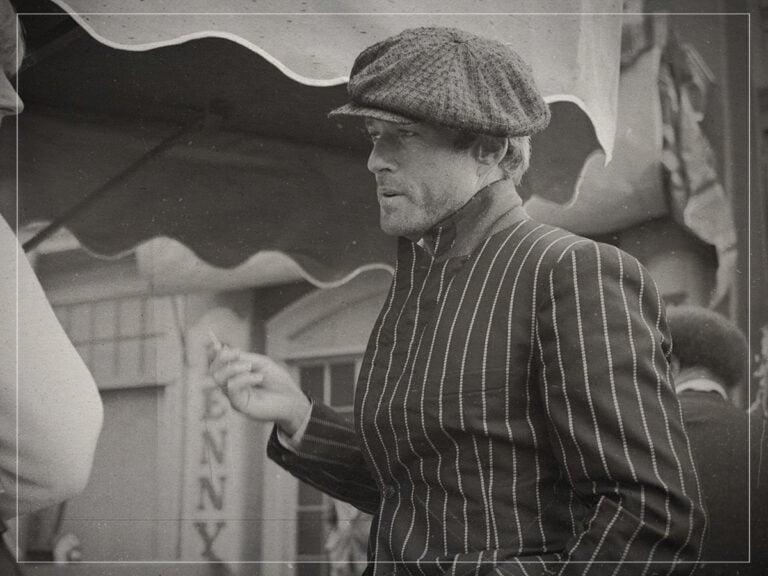
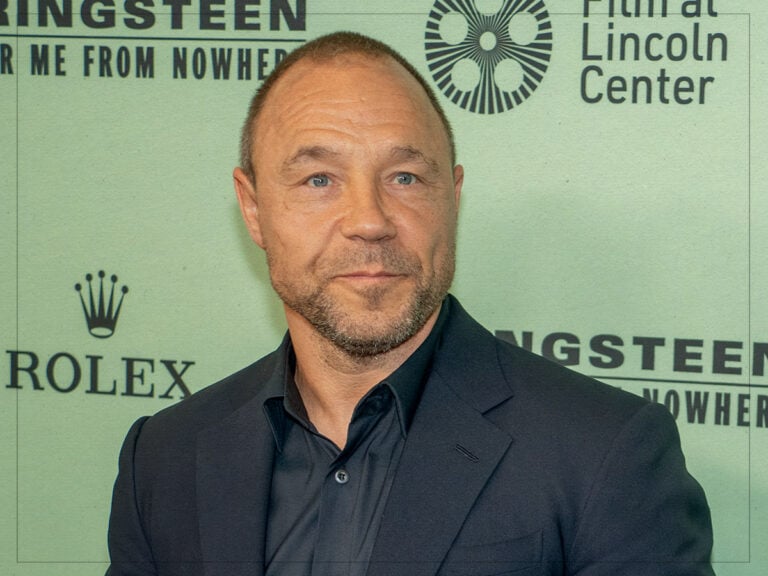

Baldwin starred in his first film in 1987, but only a year later, he had a string of eye-catching supporting turns in the likes of Beetlejuice, Married to the Mob, and Talk Radio. Interestingly, that same year, he also appeared in Working Girl alongside Ford. Fast-forward a few years, though, and with The Hunt For Red October seemingly establishing him as a viable leading man going forward, Baldwin began negotiating with Paramount about playing Ryan again in Patriot Games. Then, something strange happened.
In a 2011 HuffPost article, Baldwin explained that McTiernan called him several times in the summer of 1991, which was unusual for the director. The star claimed, “John told me that during the period of the previous few months, he had been negotiating to do a film with a very famous movie star who had dropped out of his film days before so that he could go star in the sequel to The Hunt For Red October.”
Naturally, Baldwin was stunned – surely he was the star of this sequel? However, he continued, “John further told me that Paramount owed the actor a large sum of money for a greenlit film that fell apart prior to this, and pushing me aside would help to alleviate that debt and put someone with much greater strength at the box office than mine in the role.”
A horrified Baldwin began to realise this must have been why Paramount was dragging its heels about closing his deal for the sequel. He mused, “They had the other guy all lined up, and they were looking for a way to gut me.” Of course, this “other guy” was Ford, and he wound up playing Ryan in both Patriot Games and Clear and Present Danger, becoming much more associated with the character in the audience’s eyes than Baldwin. To add insult to injury, in his memoir Nevertheless, Baldwin claimed McTiernan asked Ford if he felt guilty about taking the role away from his old Working Girl co-star, but he allegedly replied, “Fuck him.”
To say Baldwin was left seething after the unfortunate situation would be an understatement. In Nevertheless, he let Ford have it with both barrels, insinuating that Ford was insecure about his future as a movie star and wanted to lock up another franchise role, even at the expense of a less established actor. He wrote, “He was playing a different game. In the need of the next franchise to keep the flame of his stardom burning bright while earning him tens of millions more, what choice did he have? The carpenter who walked onto a set and then into movie history knew that these roles were his legacy.”
Baldwin then proceeded to get personal, writing, “Ford, in person, is a little man, short, scrawny and wiry, whose soft voice sounds as if it’s coming from behind a door.” Considering Ford is 6’1″ and known for playing masculine men of action, it’s probably unlikely that Baldwin’s petty description is accurate, and he may be overcompensating for his pride being hurt. But then again, maybe you can’t blame the guy for being bitter.
Whether Baldwin’s anger was justified or not, the episode illustrates the harsh realities of the film industry. Careers can be reshaped by decisions made behind closed doors, and even successful actors can find themselves replaced when a bigger star becomes available. More than three decades later, the dispute remains one of the most memorable examples of Hollywood’s ruthless pragmatism.
