


The co-star John Wayne couldn’t stand working with: “Arrogant little bastard”

The words of John Wayne carried a lot of weight for some time. The legendary maker of westerns and all-around tough guy, Wayne was able to command the room with a simple sneer and an accurately timed fake punch.
In his pomp, ‘The Duke’ told simple stories of good guys defeating bad guys, with the rise of the New Hollywood movement and increasing visibility of method actors repeatedly rubbing him the wrong way. Never one to hold back on his opinions, Wayne was fond of casting out criticism to his peers and contemporaries.
In 1946, however, he was just beginning to hit the heights when he agreed to join director Howard Hawks on what would be one of his most beloved pictures. Yet, even there, he would find issue with a new young actor making their way.
Red River is a fictionalised retelling of the first-ever cattle drive from Texas to Kansas. Naturally, it features perilous moments of punching purity and more accurately focuses on the feud between Texan rancher Thomas, played by Wayne, and his adopted adult son, played by Montgomery Clift, in his first-ever big-picture role. It would be the start of Clift’s impressive career and the duo’s uncomfortable rift.
Clift’s Matt was originally meant to be played by Burt Lancaster, but the actor turned down the role, which is something Clift also considered. The young actor was paid a handsome sum of $60,000 for his turn in the picture, but was reluctant to accept the part as he feared for his reputation following the climactic on-screen fight between himself and the brutish Duke.

There was a genuine fear that this on-screen battle may also spill over to the off-set too. The two men were about as opposed as they could be politically. Clift represented a new age of thinking and a generation of men who had been tarnished by the horrors of war. Meanwhile, Wayne was one of the staunchest conservative Republican patriots one would ever hope to meet. Things were unlikely to go smoothly.
For Wayne, Clift represented everything that was beginning to change within Hollywood during the late 1940s. The old-school screen presence built on bravado, charisma and physicality was gradually being challenged by a younger generation of actors who approached performance with emotional vulnerability and psychological realism.

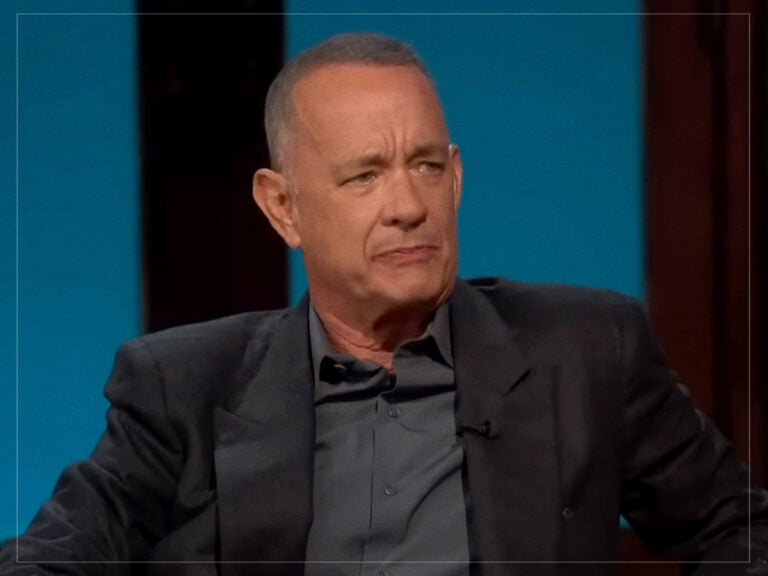
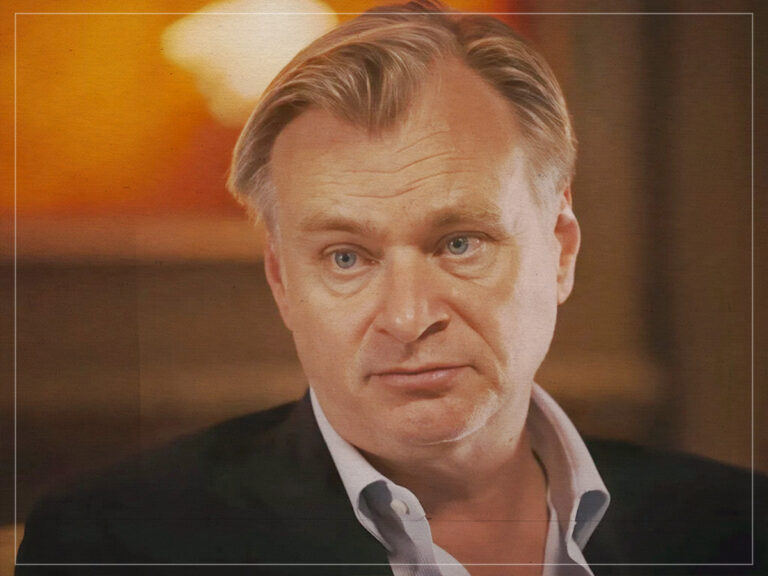
Clift’s quiet intensity and introspective style stood in stark contrast to Wayne’s larger-than-life masculinity, making their clashes feel almost symbolic of a wider generational divide happening across American cinema at the time.
To overcome their issues, the two men agreed not to speak about politics on set. However, this wouldn’t make them any closer friends. Wayne and his co-star buddy Walter Brennan were vociferous in their dislike for the “arrogant little bastard” Clift and so avoided the young star whenever they weren’t sharing a scene. It was clearly a tough experience for Clift.
When once again presented with the opportunity to star alongside Wayne, Brennan and director Hawks on the hugely successful Rio Bravo, Clift turned it down to avoid the group, with the role eventually going to Dean Martin. “They laughed and drank and told dirty jokes and slapped each other on the back,” said Clift of the group. “They tried to draw me into their circle but I couldn’t go along with them. The machismo thing repelled me because it seemed so forced and unnecessary.”
Wayne was clearly not a fan of the young and virile Clift. However, the latter can count himself in good company. Over the years, Wayne would use his booming voice to cast aspersions at some of the greatest actors of their generation. Jane Fonda, Clint Eastwood, Marlon Brando and Gene Hackman can all boast a similar sense of dissatisfaction with their experiences with ‘The Duke’.
Did Montgomery Clift have as successful a career as Wayne?
To compare the two men’s careers is to put down a lump of Shropshire bue next to a chalkboard eraser. They were completely opposite in almost every way. While Wayne found himself starring in as many movies as humanly possible, often playing the same style of role time after time, Clift was a far more artistic soul and pursued many different types of roles, including one notable moment in Judgement at Nuremberg, during which he played a victim of Nazi sterilisation, waiving his fee to deliver the performance.
The truth is, it is hard to tell what Clift’s career would or could have become. As well as suffering a serious car accident during the filming of Raintree County, which could have easily destroyed his career, Clift would die at the young age of 46 following an unexpected heart attack. Leaving much of his potential as one of the more gifted actors of his generation to waste.
Although Clift’s career was tragically short-lived, his influence on acting would far outlast many stars who enjoyed longer runs in Hollywood. Alongside figures like Marlon Brando and James Dean, he helped usher in a more emotionally raw and modern style of screen performance that permanently altered the craft. Wayne may have remained the bigger box office icon, but Clift’s legacy became tied to artistic evolution, ensuring both men ultimately left behind very different yet equally significant marks on cinema history.
While it is silly to compare two giants of Hollywood, it is interesting to see how the industry can bring together two opposing forces and, though they might fight one another, still manage to deliver a truly fantastic movie.

Never Miss A Tale
The Far Out John Wayne Newsletter
All the latest stories about John Wayne from the independent voice of culture.
Straight to your inbox.