


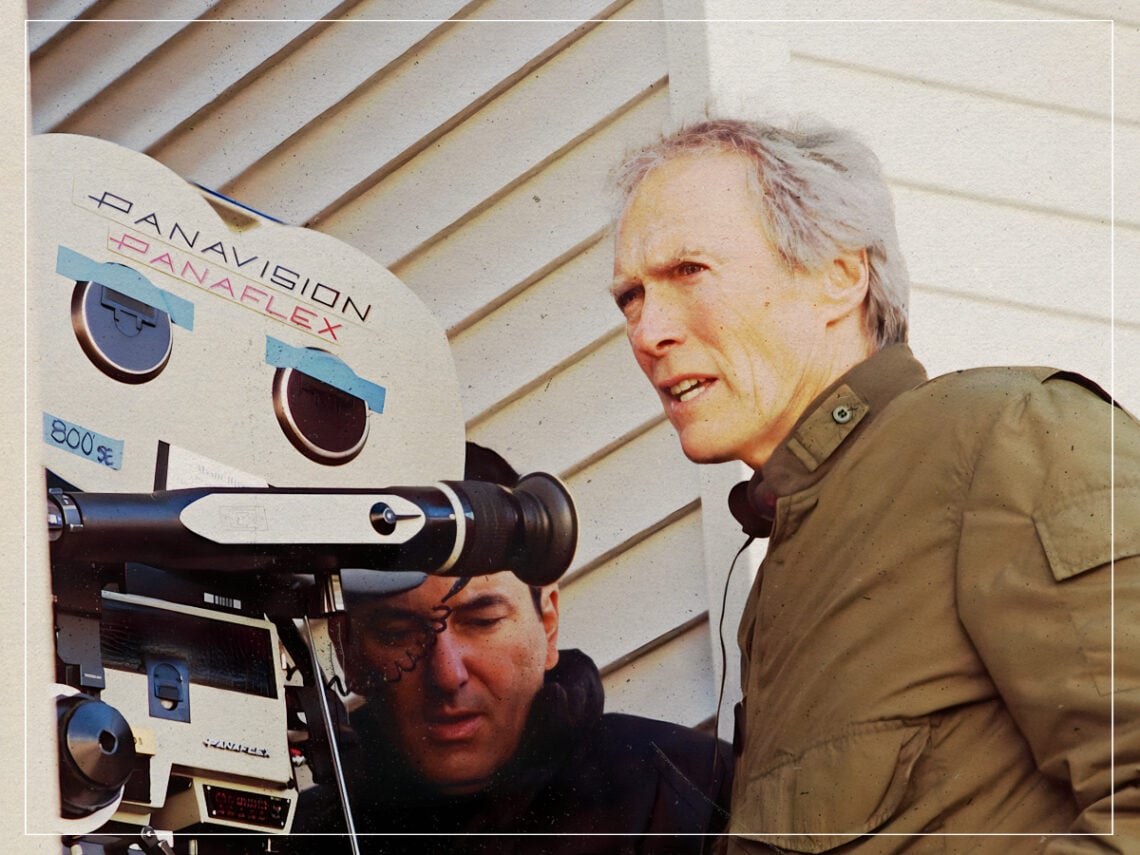
“Shattered the myth of the American western”: The Clint Eastwood movie that inspired ‘Yellowstone’

Like every other genre, the western has evolved a lot since it first broke through into the mainstream consciousness in the 20th century. Given how the western genre’s history is teeming with racially prejudiced depictions of Native Americans and other problematic sociopolitical symbolisms, this evolution wasn’t just welcome but imperative for its continued existence in the modern media landscape.
Some historians trace the origin of the genre back to the 1890s, but it’s the incredibly influential The Great Train Robbery that one can single out as the film that set the ball rolling. Drawing a direct line from Edwin S Porter’s 1903 short to Taylor Sheridan and John Linson’s neo-western television series Yellowstone is a bold endeavour, but that link exists nonetheless, even if it only serves to show how the fundamental frameworks of the western have changed.
That’s not really surprising, because that’s exactly what the showrunners had in mind when they were planning the core concepts of the series. Starring Kevin Costner in a tense drama that follows a ranch-owning family and their conflicts, Yellowstone is a self-aware reflection on the western’s history, adapting extremely well to the nuanced conversations that only enrich the contemporary media landscape.
During a conversation with Variety, Sheridan took it upon himself to paint a picture of the various influences that have shaped Yellowstone. While the literary inspirations, such as the works of Cormac McCarthy and Toni Morrison, are evident in the complex narrative that the show tackles, the cinematic predecessors that Sheridan cites are also fascinating.
He said: “I was very influenced by writers like Cormac McCarthy, Larry McMurtry, Toni Morrison, who wrote about the time around the Civil War, which is obviously very similar themes. There’s a lot of westerns about it… And in terms of the movies that influenced me, it was watching Unforgiven when I was in my late teens or very early 20s. The same with Dances With Wolves, where you’re looking at the western genre through a whole new lens that had never been explored before.”
It’s Unforgiven in particular that is the best example of an influence that towers over everything Yellowstone has to say, and Sheridan completely agrees. Clint Eastwood’s 1992 revisionist western changed the understanding of the flawed and frail moral frameworks that were trying their best to uphold the dying genre, resulting in its revival in a different form.
According to Sheridan, who told The Atlantic, Eastwood completely “upended” the binary moral framework of the traditional western by letting “the sheriff be a bully and the hero be this drunken, vicious killer”.
He “shattered the myth of the American western… So when I stepped into that world, I wanted there to be real consequences. I wanted to never, ever shy away from. This was the price.”
Unforgiven wasn’t just interesting because it played with these philosophical mores of the western genre, but also because Eastwood employed a distinct visual language that invited a new generation of audiences to explore what the American western still had to offer. Yellowstone is doing that once again, on a grander scale due to the liberty it has with its episodic, multi-season storytelling.

Never Miss A Tale
The Far Out Clint Eastwood Newsletter
All the latest stories about Clint Eastwood from the independent voice of culture.
Straight to your inbox.