


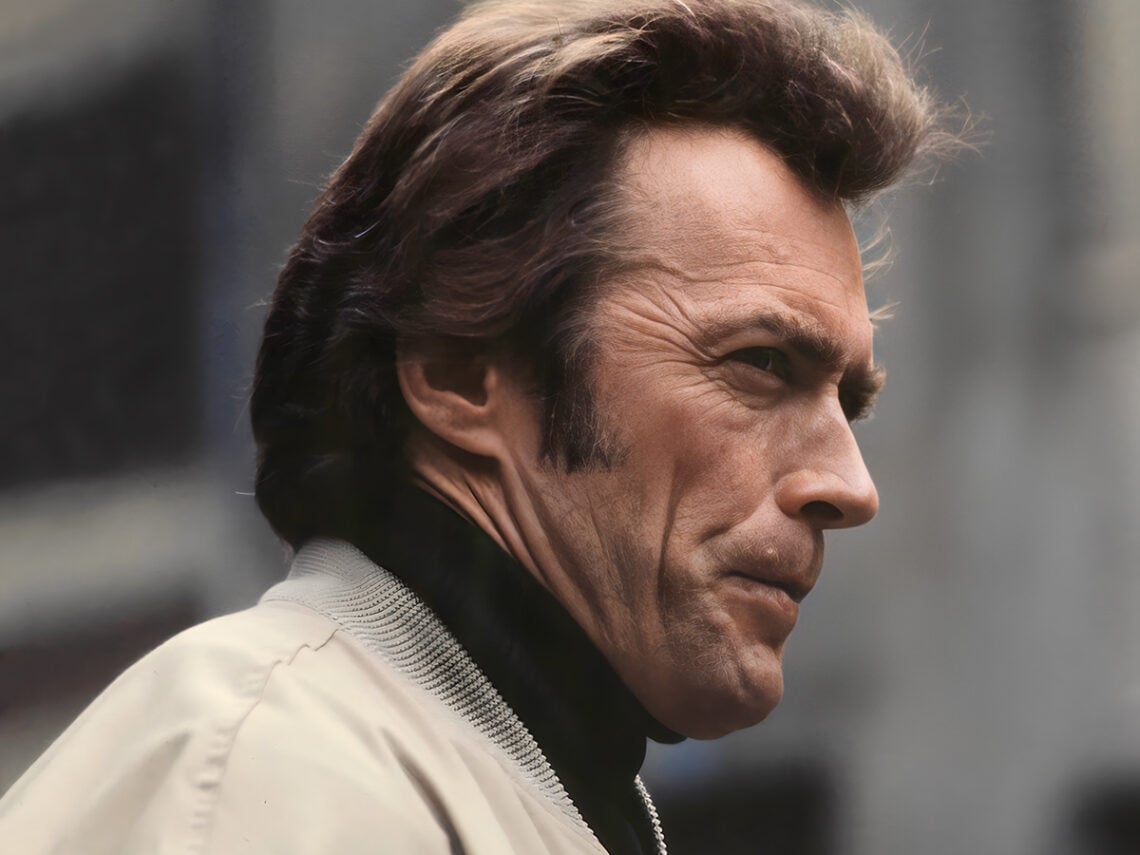
Why Clint Eastwood’s ‘Heartbreak Ridge’ was disowned by the military: “Based on the provisions of the Geneva Convention”

In 1986, Clint Eastwood played a hard-drinking, tough-talking, shit-kicking Marine Corps Gunnery Sergeant tasked with whipping an ill-disciplined platoon into shape. As that description suggests, it was basically the perfect role for Eastwood, and the film was an enormous hit, raking in $121million at the box office. However, not everyone was so entertained by Eastwood’s grizzled antics. In fact, the film was disowned by two separate branches of the military because of what was seen as wildly inappropriate depictions of training and combat – on top of Eastwood’s character violating the Geneva Convention.
When Vietnam veteran James Carabatsos read about American paratroopers using a credit card and a pay phone to call in an air strike during the Invasion of Grenada in 1983, he was captivated by the story. It inspired him to write a screenplay entitled Heartbreak Ridge, which told the story of an old-school veteran of the Korean War, imparting his values to a ragtag new generation of soldiers. Eastwood read it and was immediately interested, so he tasked his producer Fritz Manes with convincing the Army to let him shoot the movie at Fort Bragg in North Carolina.
To Eastwood’s chagrin, though, the Army refused to participate in the film because there were so many issues with the script, despite the fact that it was written by a veteran. The characterisation of Eastwood’s Sergeant Tom Highway was a huge sticking point, as the Army felt he perpetuated an image it was looking to get away from. In essence, it didn’t want audiences to think all Army sergeants were foul-mouthed drunken sadists who enacted repeated physical and mental abuse on their recruits to “motivate” them. Highway was dismissed as a stereotype of outdated attitudes from World War II and the Korean War, and even though Eastwood argued that was kind of the point, the Army still said, “No thanks.”
Never one to be deterred, Eastwood simply shifted his focus to another branch of the military: the US Marine Corps. It was also wary of certain aspects of the script but agreed to lend Eastwood its support and allow him to shoot at Camp Pendleton. So, Highway and his platoon were changed to being Marines instead of Army in the script.
However, this threw up some issues – namely that the portions of the Invasion of Grenada included in the film featured the Army in real life, not the Marines. In addition, Highway’s heroic backstory involving the famous Battle of Heartbreak Ridge in 1951 also featured the Army. Eastwood saw this as barely an inconvenience, though, and solved the problem by adding a line that confirmed Highway joined the Marine Corps after serving in the Army. Simple. Did this fix the obvious logic holes in the film? Nope. Did Eastwood care? Also nope.

Eastwood must have had déjà vu, though, when he showed the movie’s first cut to the Marine Corps – and it quickly disowned the entire project. In fact, the Department of Defence sent an explanatory letter to producer Manes and also compiled a Public Relations file outlining its problems with the project. This file claimed, “The film gives the overall impression that the Marine Corps was the only service participating in the ground action in Grenada, overlooking the role of the US Army in the rescue of American students from the island.” In addition, Eastwood and his team were once again accused of stereotyping, this time of “the typical Marines of today.”
However, the DOD’s biggest beef with the film was a scene in which Highway “shoots a wounded Cuban soldier in the back. In reality, a member of the armed forces would be subject to trial by court-martial, based on the provisions of the Geneva Convention.”
Consequently, the credits did not include tributes to the Marines who lent their expertise to Heartbreak Ridge or appeared as extras. A premiere sponsored by the Marine Corps, whose purpose was to benefit the YMCA in Oceanside, close to Camp Pendleton, was also cancelled at the last minute. A disgruntled Eastwood told The Los Angeles Times, “It’s a shame that a charity has to lose money because of somebody who’s got a bee under his rear end somewhere.” To him, it was all a big fuss over nothing, and he was adamant, “It is not something of national security. In the words of Alfred Hitchcock, ‘It’s just a movie.'”
Fascinatingly, Eastwood wasn’t the only one who felt like this – a portion of the Marine Corps felt the DOD had made a fool of itself with the decision to withdraw support. A group of 11 Marines was invited to a screening of the film by the cast and crew, and all 11 told the LA Times they felt the movie was actually good for the public image of the Corps. All 11 also insisted that the foul language used throughout was 100% representative of real Marines and that they weren’t offended by Highway’s characterisation.
Ultimately, even though a couple of them admitted that Eastwood’s comedic depiction of such an unruly bunch of recruits strained credulity and the Invasion of Grenada was wholly inaccurate, the depiction of the personal problems Highway experienced thanks to his combat experience was deemed “right on target.”
As for the Geneva Convention-breaking scene in which Highway shoots a Cuban soldier in the back? Eastwood defended it by saying his research told him some Marines do that to make sure a fallen enemy is dead – and all 11 Marines backed up this claim by saying the scene was realistic.

Never Miss A Tale
The Far Out Clint Eastwood Newsletter
All the latest stories about Clint Eastwood from the independent voice of culture.
Straight to your inbox.