


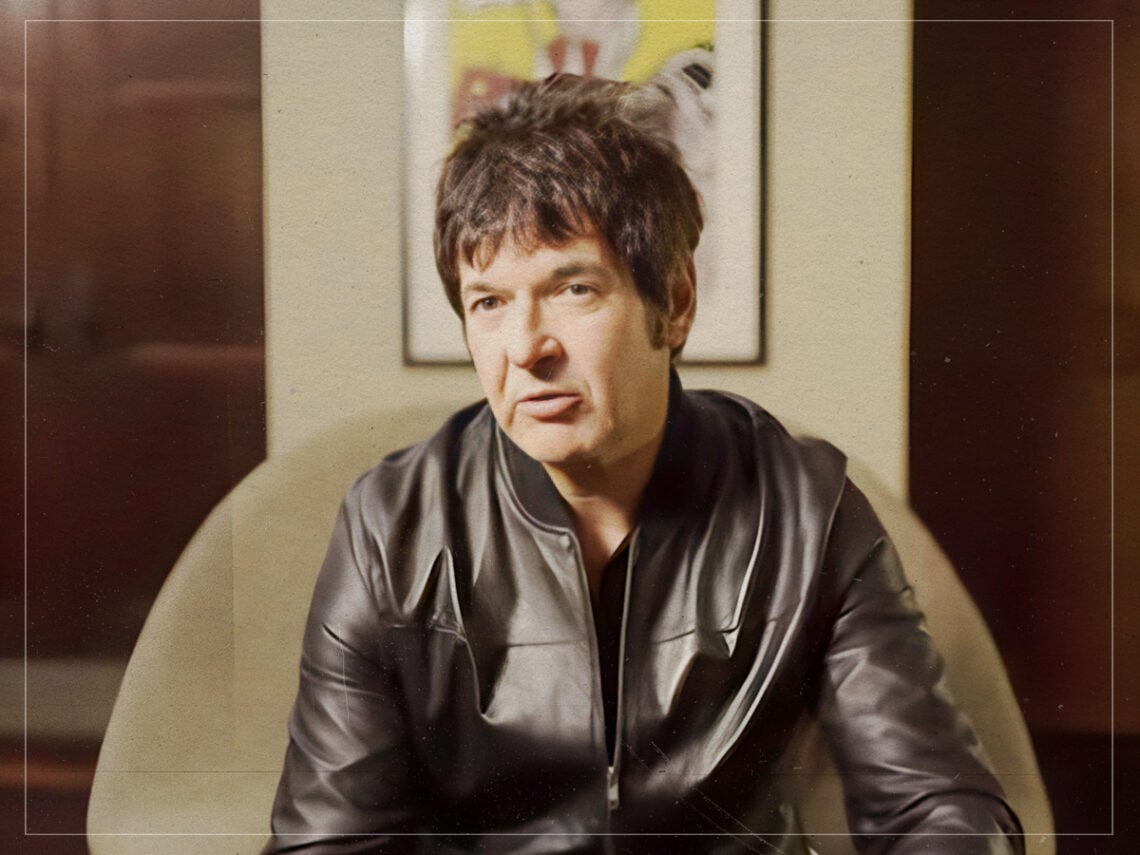
Clem Burke’s favourite 1970s New York band: “Everything they do is great”

To define an era as fruitful as the 1970s, in a city as bustling as New York, you had to a band perennially on the edge. There was no time for creative safety, and instead, something fresh and innovative was required as one of the world’s most bustling cities transitioned away from the more free-spirited 1960s. Sitting at the top of the tree were Blondie, made up by Clem Burke, Debbie Harry and Chris Stein, they introduced a brand of new wave and punk rock-inspired music.
Somehow, this band managed to imprint a distinctly unique voice amidst a scene that showcased the likes of The Velvet Underground, Talking Heads, and a burgeoning disco movement. The result was the band’s seminal hit, ‘Heart of Glass’, which pulled upon the electronic sensibilities showcased by disco legends Donna Summer but with a caustic edge that appealed to the city’s punk rock fans.
Of course, the band’s enigmatic lead vocalist, Debbie Harry, was at the forefront of how this sound was repackaged and delivered to fans, but Burke’s role is at the very essence of its success. After all, welding together several genres that, while differently, all lean heavily on their rhythm sections, his airtight drumming performances were crucial in delivering it with coherence.
Naturally, for Blondie to create a sound that straddled the city’s genres, they needed to understand it from the coalface. They were fully engaged in the community and soaked up every bit of influence they could garner to help shape their sound. While bouncing between gigs, Burke soon found the band he deemed the very best of the decade.
“My absolutely favourite band to come out the whole scene and probably the best band, ironically the least commercially successful of all bands, Television,” Burke said in an episode of What’s In My Bag? After sharing his love for a live album they recorded, upon which an early version of ‘Knockin’ On Heavens Door’ played, Burke simply added, “Everything they do is great”.
Television’s sound exuded the sort of mid-70s New York grit that Burke so cleverly injected into Blondie’s otherwise shimmering songs. While Harry’s vocals soared above the melodies and drifted into a pop stratosphere, Burke kept the band’s feet firmly on the soil with a powerful and gritty sense of groove.
But while Television may have quietly struck a chord with Burke, it was another of his New York contemporaries that gave him the opportunity to play. When Ritchie Ramone became dissatisfied with his role in the Ramones and left in 1987, Burke answered the band’s prayers and sat at the foot of the kit under the moniker “Elvis Ramone”.
“They are The Beatles of my generation and one of the most influential bands of all time,” he once said. “They were our friends and we all hung out in the same places in mid-70s New York. I was with them briefly at a very acrimonious time. Johnny and Joey didn’t speak and I had a dedicated seat on the tour bus, sitting between them.”
Burke’s influence on a chapter in music history is quiet and modest but not to be understated. He was both classic and innovative in equal measures, allowing the possibility of anchoring two of music’s most influential but wildly differing bands a clear possibility. No matter where your sonic preferences lie, Burke’s position as one of the all-time greats needs no debate.
