


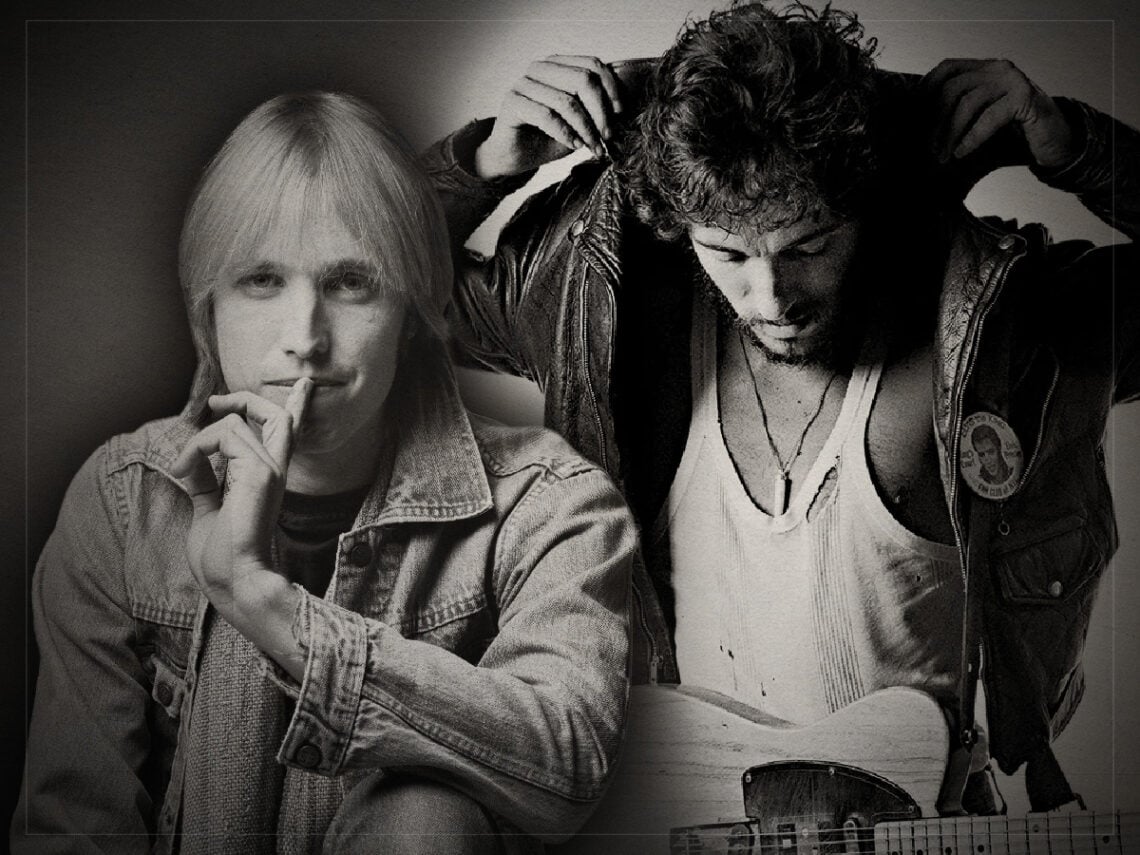
The classic rock lyrics that Bruce Springsteen and Tom Petty thought were perfect: “The greatest rock ‘n’ roll lines of all time”

The late Lord Byron would hardly have gotten a look in when it comes to classic rock lyricism. He might be considered one of the finest writers of all time, but he’s far too cerebral for a genre that Keith Richards describes as “music for the neck downwards”.
Gruff guitars and pulsing beats do not crave words that prompt you to ponder. Rock ‘n’ roll needs action and immediacy. As Bono explained when citing ‘I Saw Her Standing There’ as the greatest lyric ever written, “It does not describe itself as poetry. It’s better. It’s adolescent and it’s transcendent.” He waffles on from there, as is his wont, but his point remains: move over Byron, some young vagabonds from Liverpool are in the new bards in town.
That was the principle statement of early rock ‘n’ roll. It was a noisy announcement of a cultural shake-up. And while The Beatles might have been pleasantly proclaiming that love was the way forward, the Rolling Stones were setting themselves up as the inverse. They were proud to be rowdy delinquents, and their lyrics perfectly tied into this.
Owing to the fact that the reverence art is owed is still largely measured on the Byronic scale of old, Mick Jagger and Keith Richards have rarely gotten the lyrical credit that they deserve. However, musicians themselves understand how difficult it is to land on punky phrases with plenty of bite that don’t sound corny.
With that in mind, Bruce Springsteen and Tom Petty recognised the duo as masters. They understood that their arresting words were the perfect accompaniment to the blistering riffs and pouting attitude that helped to launch a revolution, and between them, the American contemporaries picked out two lyrics that exemplified this.
“They had so much attitude, it dripped off the plate,” Petty proudly asserted as a fan of the band. This attitude was writ large across the all-encapsulating ‘(I Can’t Get No) Satisfaction’, and so it became a song that Petty always held as a firm favourite.
“The riff and distortion grab you, and the lyric is so worldly,” he said. Relating to Jagger’s cutting remark about an angsty search for happiness, he added in high praise that its opening lines were “a great moment in rock history. Just the phrase is worth a million bucks.” That titular phrase captured more weight than five measly words should be able to manage.
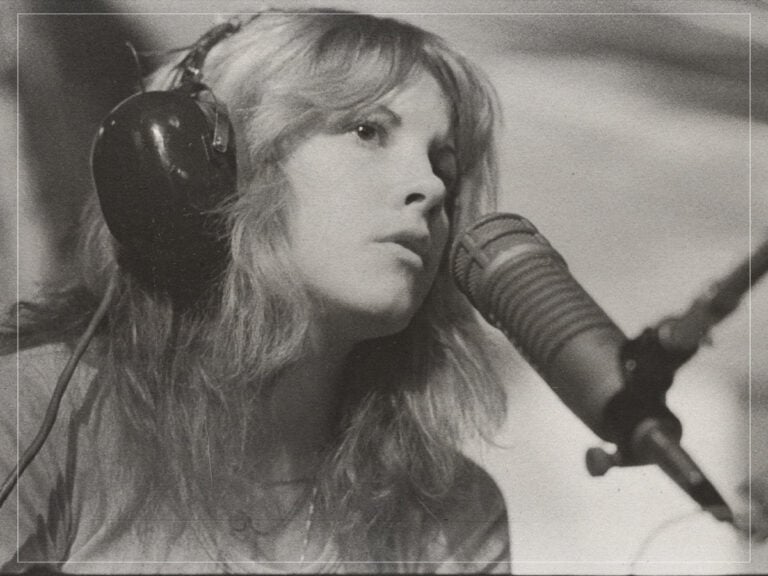
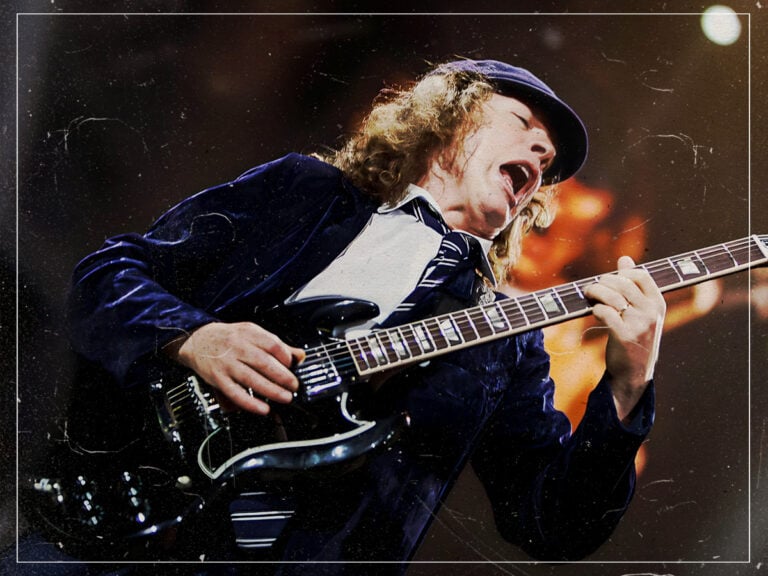
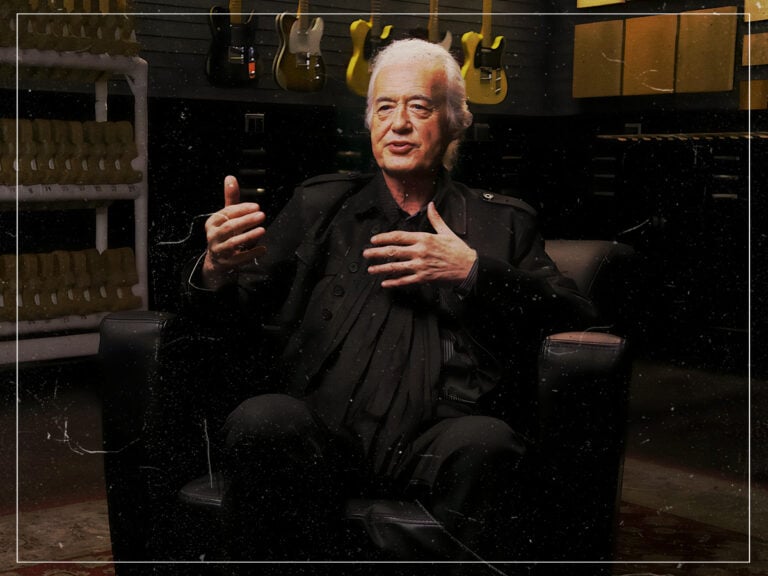
Springsteen, similarly, thought their concision was to be applauded. Speaking about his love of ‘Street Fighting Man’ to writer David Marsh, Springsteen said: “That one line, ‘What can a poor boy do but sing in a rock and roll band?’ is one of the greatest rock and roll lines of all time. It has that edge-of-the-cliff thing when you hit it. And it’s funny; it’s got humour to it.”
In a flash, that one line illuminates the social mobility made possible by rock ‘n’ roll that both Springsteen and Petty would cling to. Over half a century later, you still have band like Fontaines DC echoing it in utterances like, “My childhood was small, But I’m gonna be big”.
Both “I can’t get no satisfaction” and “What can a poor boy do but sing in a rock and roll band” might not sound like much on paper, but roared with the backing of a riff, and you hear something that sounds like touchpaper being lit.

Never Miss A Tale
The Far Out Classic Rock Newsletter
All the latest Classic Rock content from the independent voice of culture.
Straight to your inbox.