


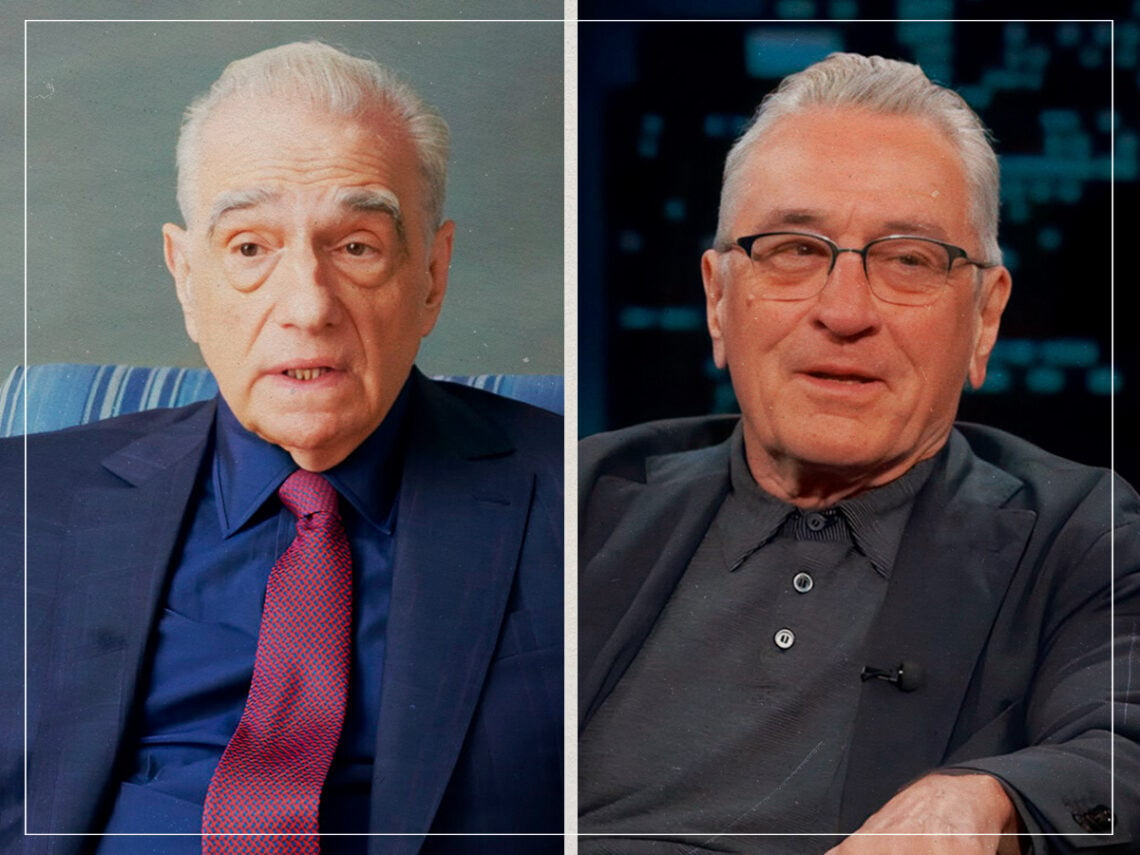
The classic Robert De Niro scene Martin Scorsese compared to ‘King Kong’

As he’s been making patently clear for decades, Martin Scorsese has no interest in directing movies that would qualify as straightforward blockbusters, mindless escapism, or effects-heavy adventures with no narrative or thematic meat on their bones.
That’s not to say he only helms intimate arthouse pictures, of course, with Scorsese experiencing plenty of box office success throughout his career by remaining true to his convictions. The stories he tells have repeatedly resonated with a wide audience, and he doesn’t need monsters or explosions to do it.
However, one of the most iconic scenes in a filmography full of them owed no small debut of gratitude to one of the greatest creature features ever made. While Marty would never contemplate the notion of taking the reins on a picture revolving around a hulking monster laying waste to its surroundings, that doesn’t mean he can’t look towards them for inspiration.
On the surface, Scorsese’s back catalogue has nothing in common with Merian C. Cooper and Ernest B. Schoedsack’s seminal fantasy following the misadventures of the titular ape once his isolated island home has been discovered by the outside world. He’s brought back to New York, decides he’s not one for city life, and then mounts a desperate last stand against his captors at the top of the Empire State Building.
It’s one of the most instantly recognisable scenes in Hollywood history but hardly illustrative of Scorsese’s rough, gritty, grounded, and often incendiary character pieces. And yet, when Robert De Niro’s Travis Bickle decides the best way to extricate Jodie Foster’s Iris from her predicament in Taxi Driver is to go in all guns blazing, there was only one film and the forefront of the auteur’s thinking.
“And in the scenes of the killing, the slow motion and De Niro’s arms, we wanted him to look almost like a monster, King Kong coming to save Fay Wray,” he explained to Roger Ebert. “Another thing; all of the closeups of De Niro where he isn’t talking were shot at 48 frames to the second to draw out and exaggerate his reactions. What an actor! It’s great to look up against a technique like that! I shot all those shots myself to see for myself what kind of reaction we were getting.”
Take a dash of De Niro, sprinkle over a liberal garnish of King Kong, and add some high-framerate technological innovation into the mix, and the end result is the climactic shootout that rounds out Taxi Driver in such spectacular style.
That’s an oversimplification, obviously, even if it’s entirely on-brand for studious cinephile Scorsese to look to the most unexpected of movies released over 40 years previously to inform his own film that carried not a single shred of spiritual DNA otherwise.
