


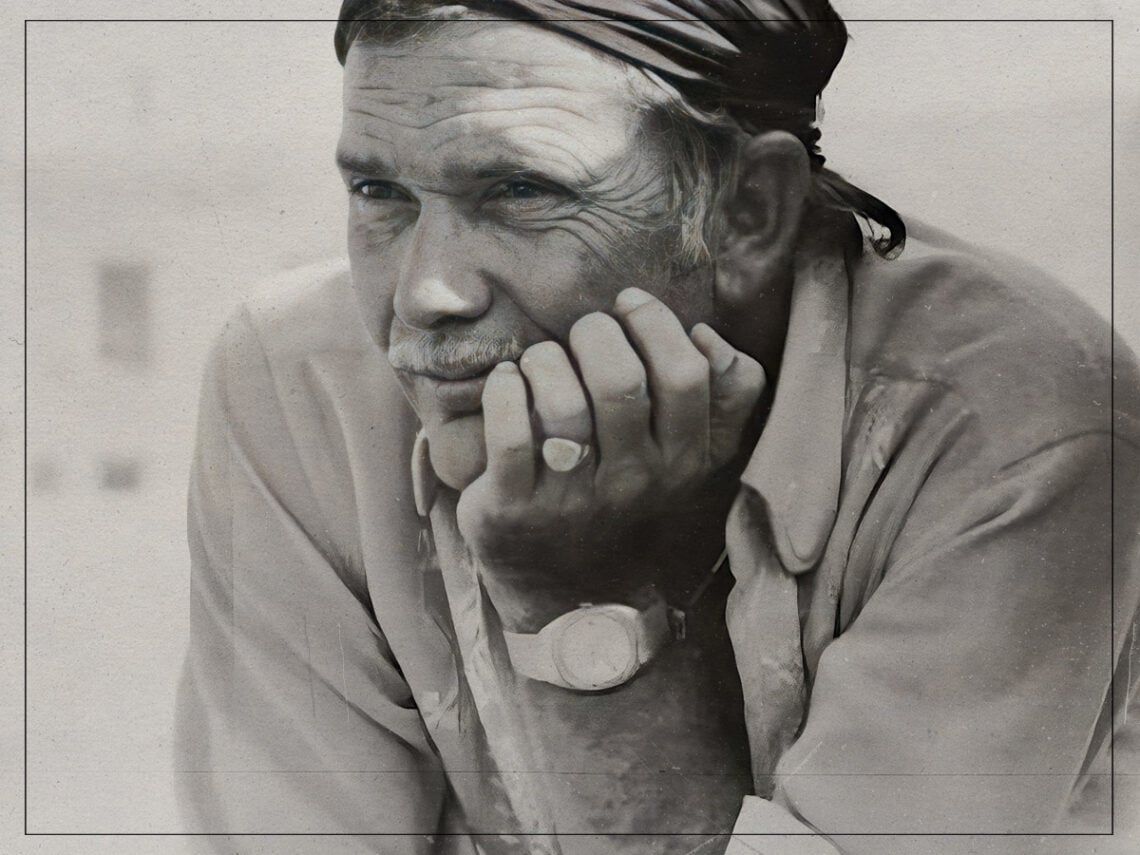
The classic movie that disgusted and thrilled Sam Peckinpah: “A terrible piece of trash”

There weren’t many directors of his era who knew how to offend and entertain in equal measure quite like Sam Peckinpah, but he had conflicted feelings over a movie that caused a reaction not too dissimilar from the responses generated by some of his most notable works.
The most obvious is The Wild Bunch, which married technical innovation with wanton bloodletting, even if critics and audiences weren’t primarily focused on the western’s ingeniously constructed and innovatively staged bouts of bullet-riddled violence.
It was and remains a tremendous feature that ended up having a massive impact on the industry at large, but plenty of folks couldn’t stomach it. Much the same can be said of Peckinpah’s Straw Dogs, too, which became embroiled in larger conversation over the dangers posed by so many ‘New Hollywood’ auteurs drastically amping up the levels of violence in their pictures.
Straw Dogs might have been celebrated as being among Peckinpah’s greatest contributions to cinema, but there was shock and horror at the film’s graphic content. He was accused of glorifying sexual assault as well as championing chauvinism and misogyny, and while that wasn’t his intention, it was nonetheless banned in multiple countries.
With that in mind, there’s a hint of irony in Peckinpah being torn between his admiration and distaste for a movie that was released the very same year as Straw Dogs. It also found itself placed under the microscope alongside Stanley Kubrick’s A Clockwork Orange as 1971 became the year that on-screen violence induced moral panic among censors, rating boards, and the general public.
His concerns weren’t entirely without merits, though, after Clint Eastwood’s seminal Dirty Harry became implicated in several real-life crimes that were purportedly influenced by the trigger-happy action thriller. Harry Callahan became a cultural icon, and a franchise was born, but Peckinpah wasn’t completely won over.
“I loved Dirty Harry, even though I was appalled by it,” he told Playboy. “A terrible piece of trash that Don Siegel really made something out of. Brilliantly done. Hated what it was saying, but the day I saw it, the audience was cheering.”
Clearly, Peckinpah wasn’t inclined to view Eastwood’s protagonist as a hero in the most conventional sense, and he wasn’t alone in harbouring that opinion, either. An unforgettable character he may be, but by deploying ruthless methods on the streets and pulling out all the stops regardless of the collateral damage caused in his attempts to apprehend a serial killer, a role model he was not.
The maverick director didn’t care in the slightest for the message of Dirty Harry, then, but he was at least complimentary of Siegel’s ability to take an A-to-B-to-C detective story and make it into something stylish. Even though the nickname bestowed upon him – and not without merit – was ‘Bloody Sam’, the movie’s combination of visual panache, narrative nihilism, and violent scenes left him caught in two minds.
