


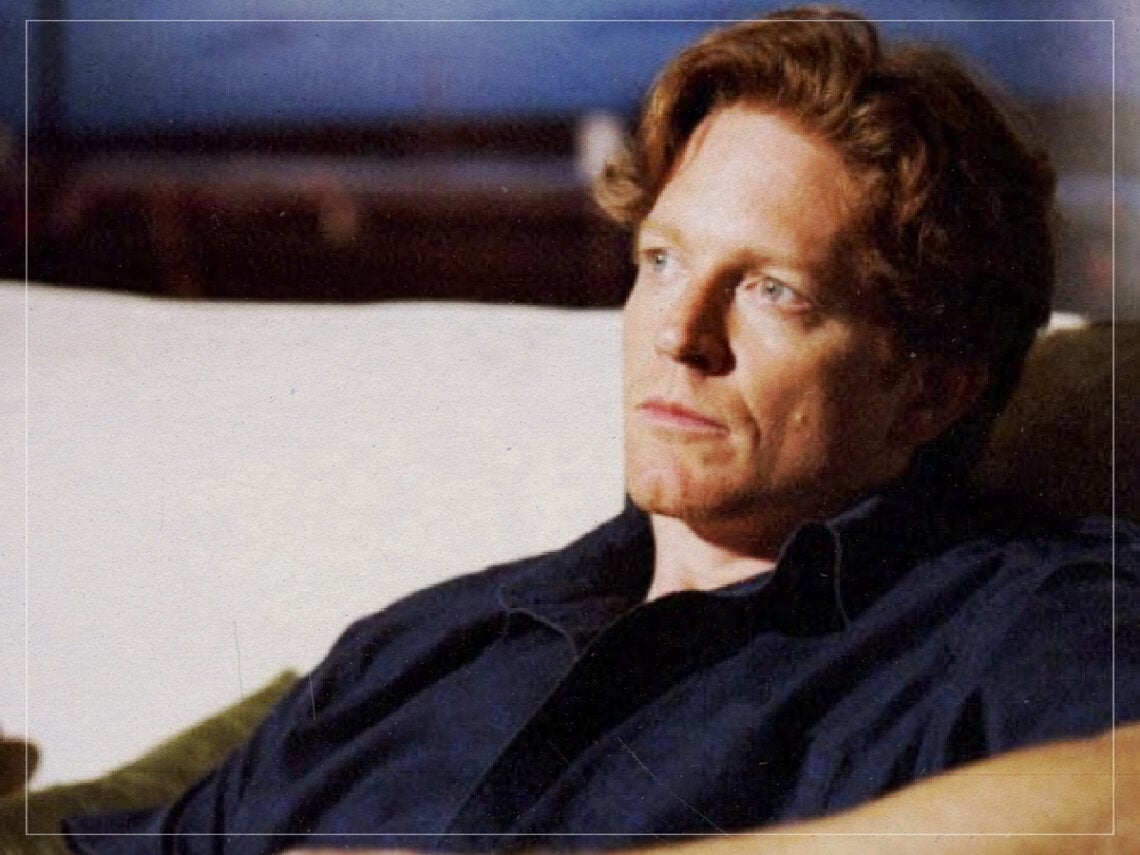
‘River’s Edge’: The movie Eric Stoltz dismissed as misogynistic

The entertainment industry experienced a radical shift towards the end of the 1980s, in which Hollywood began to shy away from the open-hearted coming-of-age films that had been popularised by John Hughes.
With high school comedies like Ferris Bueller’s Day Off and The Breakfast Club becoming faded memories, the industry began to develop more projects that reflected the uncomfortable, anxious perspective of Generation X, and Eric Stoltz was one of the stars most synonymous with this movement.
With his performances in films like Mask and Some Kind of Wonderful (which was penned by Hughes), Stoltz succeeded by turning in more mature, alienated performances that exemplified the pressures felt by a generation that had grown discouraged by society’s lack of progress. He would eventually shift towards appearing in darker, independent films that tapped into these fruitful feelings of despair, and earned great acclaim for his work in Pulp Fiction, Killing Zoe, Singles, and Kicking and Screaming.
Stoltz’s active decision to change the type of films he was appearing in may have stemmed from his displeasure with some of the faults he had with other contemporary writers. In a conversation with screenwriter Neal Jimenez that ran in Bomb Magazine, Stoltz claimed that the writer’s script for the coming-of-age thriller River’s Edge was “embracing” what he found to be “a basic misogynistic attitude towards women”.
River’s Edge tells the bleak story of a group of high school seniors who discover that their friend John, played by Daniel Roebuck, has killed his girlfriend Jamie, played by Danyi Deats, but instead of reporting to the police, the characters attempt to forget what they’ve seen and hope that the moment will pass.
Jimenez said that film “reflects misogyny” by showing what a realistic depiction of the situation would be, but Stoltz argued that there weren’t “many women who were thrilled at the premise”, and even if it was intended to be a social commentary, River’s Edge was still “about this girl that gets murdered and these guys that decide to protect the guy who did it”.
Although the actor was certainly passionate about what he perceived to be an irresponsible and unnecessarily brutal film, his criticisms were ironically what made it such a notable feature. While many of the Hughes films had been criticised for presenting an idealised version of an upper-middle-class lifestyle, River’s Edge dared to look at the everyday battles waged by those within impoverished communities and explored what it was like to be distanced from broader society.
Even if the characters initially cover for John, the film does not shy away from the horror of his actions, allowing it to blur the line between drama and reality, and although it may not have been a massive hit, it is certainly remembered as a cult classic, and helped advance the careers of its stars, including a young Keanu Reeves.
While Stoltz made these comments in 1992, it’s possible he may have changed his mind after some of the films he appeared in faced similar backlash, and given that Killing Zoe and Pulp Fiction were also accused of glorifying evil and misogynistic activity, he may have had more sympathy for what River’s Edge was trying to achieve.
