


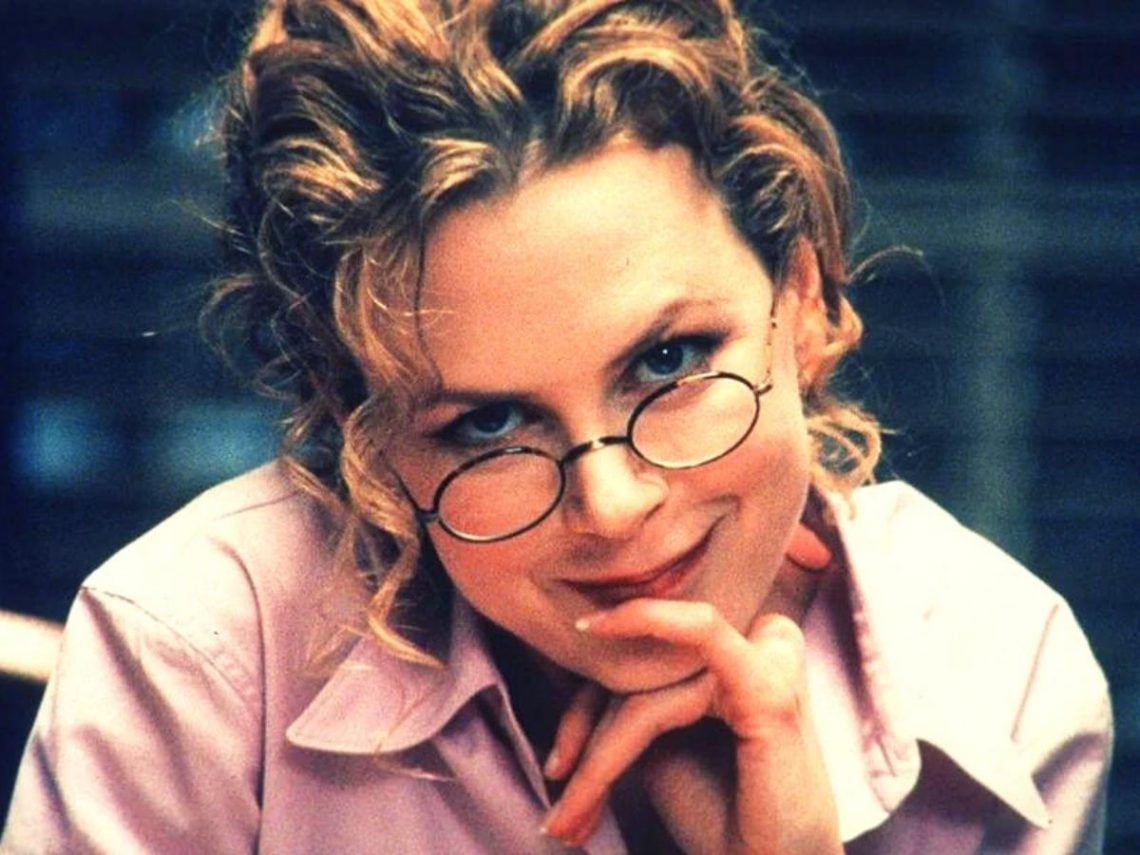
‘Picnic at Hanging Rock’: The classic Australian movie Nicole Kidman wishes she’d starred in

Over the years, Australia has treated us to some of the best talents in the industry.
Major figures like Margot Robbie and Russell Crowe caught the attention of the masses by starring in either Neighbours or Home and Away, the nation’s two biggest soaps that pretty much every aspiring Aussie actor hoped to partake in. Chris Hemsworth is another A-list name to throw in there. However, some of the biggest names from Australia had to break in other ways, with these shows debuting at the time they started to make it to Hollywood. Nicole Kidman is the perfect example of just that.
Ask anyone who has even a slight interest in film and TV, and they’ll nod when you ask them if they recognise a picture of Kidman. A decade-spanning career taking on a variety of roles, most of us have seen at least one centre-stage feature. Kidman’s first role was in Bush Christmas, which, from the title, makes it pretty clear that it’s a Christmas film set in Australia’s Outback. The film came out 36 years after the original in 1983, and set Kidman up for her future stints. Dead Calm was the story that took her to the mainstream in 1989, with a plethora of high-quality, meaty contenders jousting their way to her soon after.
Her roles towards the end 1990s into the early 2000s are the ones that the majority know her for, with Eyes Wide Shut, Moulin Rouge and her Oscar-winning turn in The Hours cementing her as an unmissable talent with a penchant for the intense played with ease. She’s always circling the silver-screen blocks and has notably ventured back into television with shows like Big Little Lies and Nine Perfect Strangers. Still, with her roots so deeply planted down under, she holds certain films from her homeland close to her heart, for both inspiring her and opening up the doors into the world of cinema.
In conversation with the National Film and Sound Archive of Australia, Kidman was asked what Australian film meant the most to her: “Oh, golly. I mean, there isn’t just one. I think I’m a mixture of so many different memories and filmmakers and actors. I remember, though, seeing Peter Weir’s films, especially Picnic at Hanging Rock, and kind of wishing I could be in a Peter Weir film. Particularly that film. All those films from the ’70s and those filmmakers that were coming up, Australian filmmakers that were so powerful and so strong.”
In what has now become one of the most iconic in Australian cinema history, it’s no surprise that Picnic at Hanging Rock holds a special spot in Kidman’s heart. The film explores themes such as isolation and its psychological effects through a surrealist lens, and crucially is led by a centre stage of women. The actor thrives in such environments and wears the crown of buoying a film on her shoulders with honour.
Kidman added, “And for me, I would go to the cinema and watch Australian women onscreen, and that’s really important. And those women being, you know, Wendy Hughes and Robyn Nevin and Angela Punch McGregor and Judy Davis, of course, Judy Morris… I mean, the list is so long.”
Australia led the charge for representation in the industry, with its effects still felt today courtesy of talents such as Kidman herself.
