


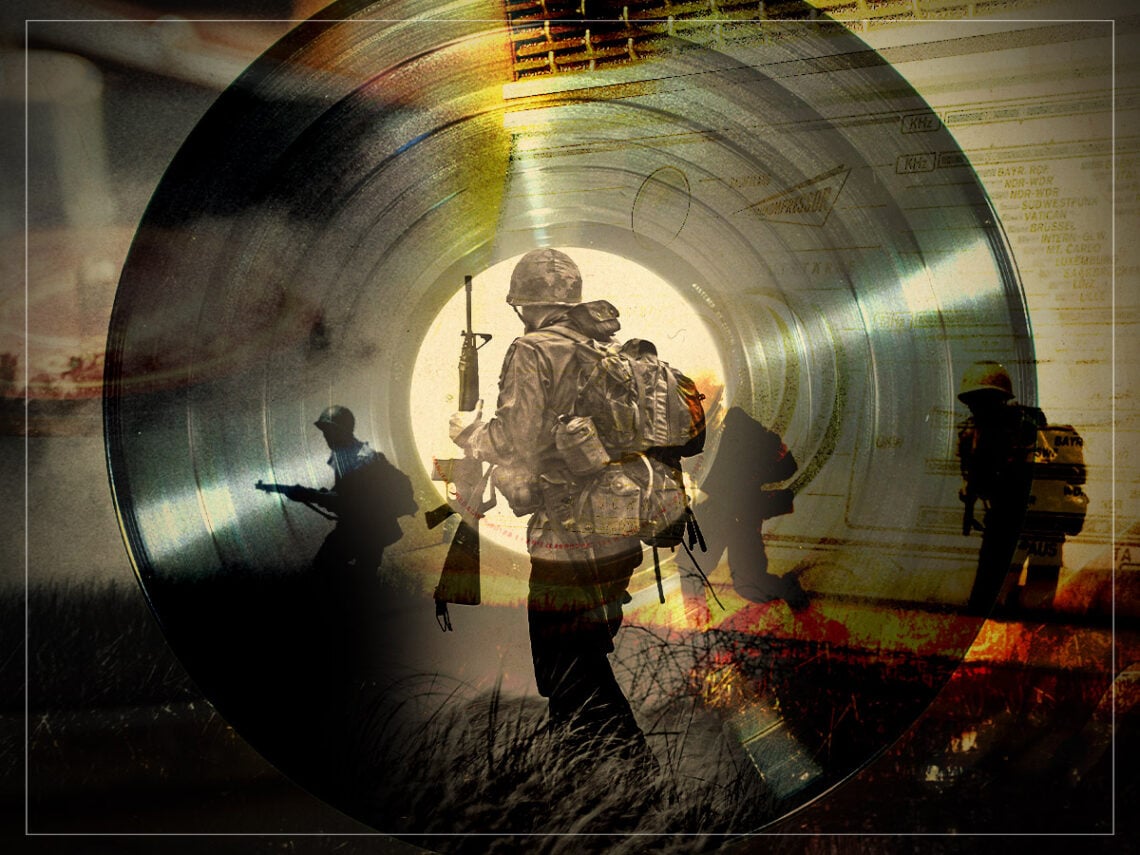
‘Universal Soldier’: the CIA secret that was revealed in a 1963 protest song

As with virtually every aspect of US culture, politics, and foreign policy, the CIA maintains a rather varied, controversial relationship with the realm of popular music, from their unnecessary attacks on Eartha Kitt to their somewhat more understandable interest in the acid tests of the Grateful Dead.
Back in 1963, in the years leading up to the counterculture hippiedom that would cause quite the moral panic among the American state, of which the CIA and FBI played a not-insignificant role, the Intelligence Agency unknowingly inspired one of the most important, defiant protest anthems of the entire decade: Buffy Sainte-Marie’s ‘Universal Solider’.
An utterly iconic, timeless anti-war anthem that pushed the American songwriter to the very forefront of the blossoming folk music revival of the era, ‘Universal Soldier’ went on to become one of the definitive protest songs of the Vietnam War, in addition to being a major hit for both Donovan and Glen Campbell in later years. Reportedly, though, it all began with a chance encounter in the waiting room of San Francisco International Airport.
By sheer coincidence, the 22-year-old songwriter, who was still very much in the early days of her career at that time, happened to be on a late-night layover in the airport when she encountered legions of injured and wounded Green Beret soldiers, along with the CIA’s Special Activities Division. At the time, and to the best of Sainte-Marie’s knowledge, though, the US Army was not engaged in any direct action overseas.
This was in the days immediately prior to the United States ramping up its activity in Vietnam. The nation’s government and military had already been supporting the South Vietnamese, in one form or another, since back in 1955, but had stopped short of sending American troops into battle until JFK’s escalation in 1963. Before that action was ever made public knowledge, though, Buffy Sainte-Marie had witnessed its effects first-hand.
Inevitably, the folk devotee immediately began translating that airport experience into a song, ‘Universal Soldier’, and so when more troops officially landed in Vietnam in the following years, the conflict came pre-equipped with the perfect protest anthem.
A modern-day ‘Charge of the Light Brigade’, bemoaning the orders that send young men to die for bureaucracy, Sainte-Marie captured the spirit of that ever-controversial conflict perfectly, and years before the ‘anti-war movement’ was ever recognised.

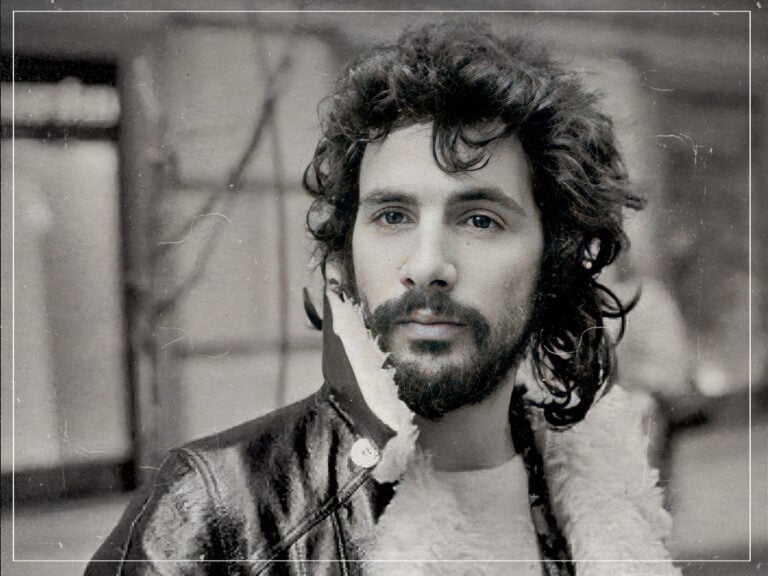
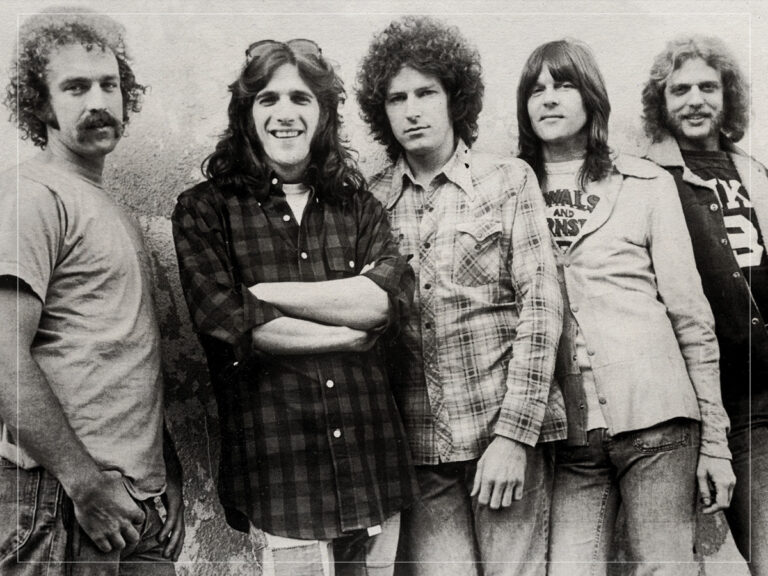
What’s more, the success of that song when first recorded by The Highwaymen and later popularised by Donovan helped to spur Buffy Sainte-Marie on to pen a litany of similarly affective protest anthems, many of them concerning the rights and history of North America’s First Nations and indigenous population.
In doing so, she became one of the most important, defiant voices of the anti-war, counterculture, and folk revival years of the 1960s. Not a bad result for a delayed flight and an extended stay in the airport.
