


Are the charts still the place for older artists? A case study in ‘The Boys of Dungeon Lane’

You’d think this was the 1970s. Of the current top ten albums in the UK, four are by Michael Jackson, one is the greatest hits of Fleetwood Mac, and the top spot is taken up by Paul McCartney.
But the essential difference between those three artists is that Macca’s is the only one that didn’t hail from that rough timeframe. He is the new addition to the chart, with The Boys of Dungeon Lane storming straight to the top as his eighth solo number one record. That sounds simple for a man of his calibre, but it really isn’t as easy as you think.
Excluding The Beatles’ discography for the purposes of a fair assessment, you might be surprised to learn that McCartney’s streaming statistics aren’t as healthy as one would expect from arguably the most famous living British musician to this day. In the ranks of Spotify monthly listeners, for example, he clocks in at a regular fanbase of 16.2 million.
Of course, this is far from obsolete, but when you consider this beside the numbers being drawn in by other artists on the platform currently, Macca finds himself sliding all the way down the ranks to number 648, sandwiched nicely between Tracy Chapman and the lesser-spotted Ice Cube. At the top end, Bruno Mars is hauling in almost 153 times that amount.
Naturally, this speaks to a much wider condition in which younger artists with more years ahead of them in the industry ultimately have more skin in the game. Yet even still, if you were to take the streaming statistics at face value, you wouldn’t expect the former Beatle to be scoring a chart-topping record given the position he’s in, just in the same way you’d be bowled over if Ice Cube pulled off that feat these days.
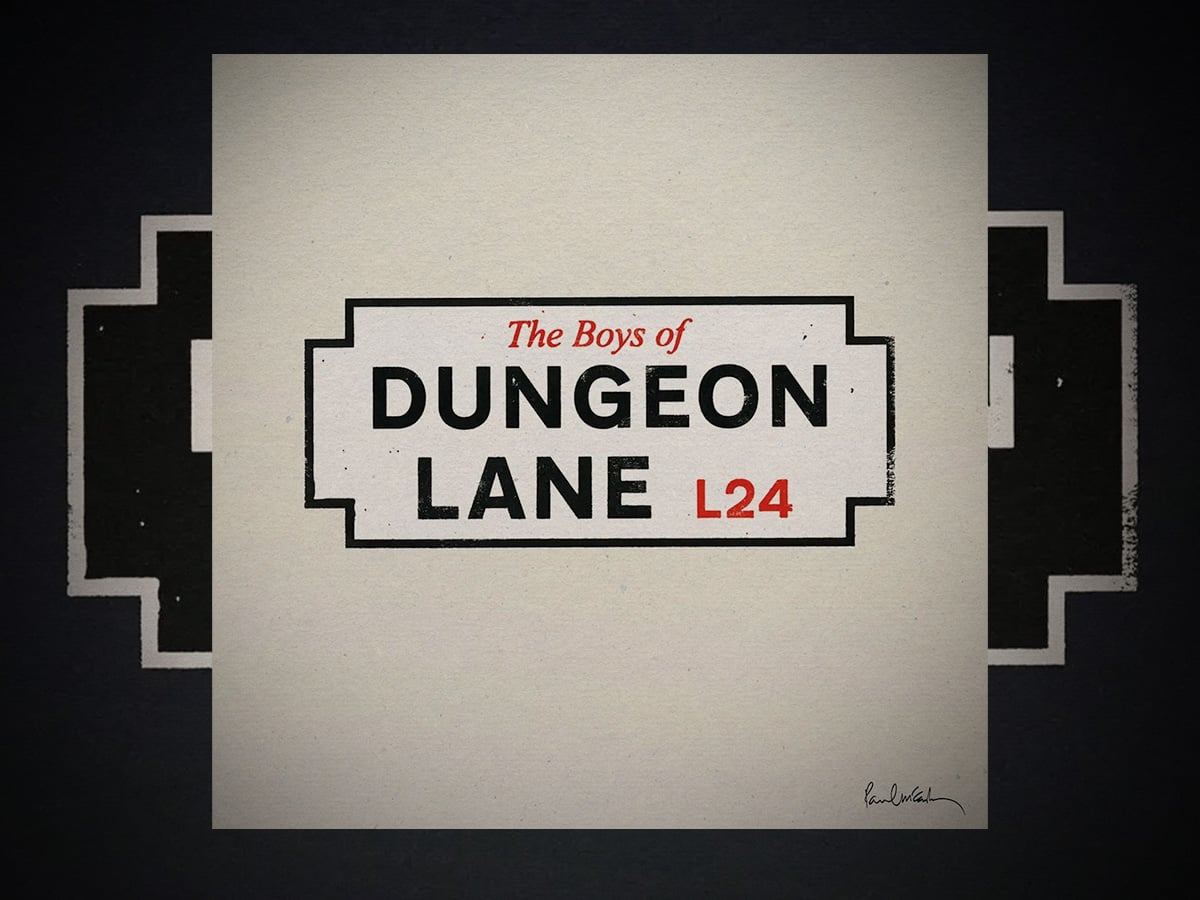
The obvious conclusion to take away from this part of the research is that streaming perhaps isn’t all it’s hyped up to be in terms of the determination of the charts, but at the same time, it begs the question: what kind of numbers are actually getting McCartney over the line, and where does his fanbase lie?
The Boys of Dungeon Lane also managed to break the top five in America, and top individual charts such as Vinyl Sales, so the two sides of the Atlantic are more or less comparable in terms of the sales state of affairs, which has got the classic rocker to this record-breaking point. For the part of the US, Billboard has outlined some rather interesting findings.
Of the album’s sales across the 50 states, almost 60,000 units came from physical variants across CDs and vinyl. For obvious reasons, these have always counted for more than just the single standard stream, but with no less than 18 of these to choose from, and ten different vinyl editions on its own, it seems McCartney’s team was really cashing in on this, taking them to the bank.
It has obviously paid dividends, with the older contingent of his fanbase being accounted for under this roster, as they presumably want to hear him in the same format they have always done since the sixties. His approach to the younger generation, however, is where things get a little more confusing.
The Boys of Dungeon Lane is now on the cusp of breaking 10m cumulative streams on Spotify, a respectable enough ground for an artist who realistically has only had to deal with the algorithmic behemoth of music consumption in the twilight years of his career. Yet if you’ve been paying attention to McCartney’s media rounds of late, you might have been expecting something a little more.
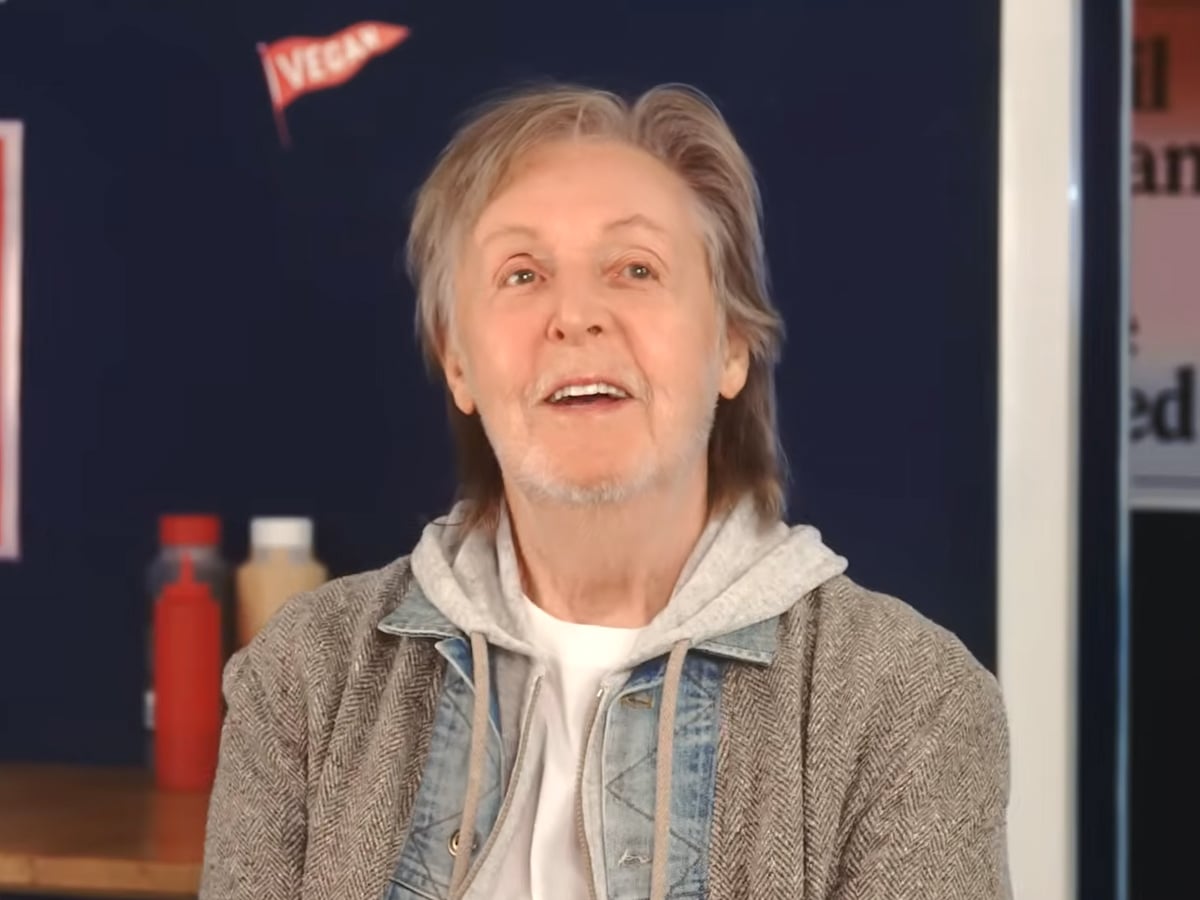
Appearances on social media series like Chicken Shop Date, hosted by influencer Amelia Dimoldenberg, or drumming up support for the upcoming Beatles biopics through being interviewed by his Hollywood protégé, Paul Mescal paints a portrait of a man still trying his best to hit the modern zeitgeist, even when you think he wouldn’t be particularly bothered, in light of the money already in his pocket.
Without wishing to make this sound too morbid, the cynical could say that the timing of this release, along with Ringo Starr’s Long Long Road, pairs very conveniently with Sam Mendes’ forthcoming blockbuster treatment. Yet between this, the technologically-mastered Beatles single ‘Now and Then’ of a few years ago, and the album’s heart-rending themes of reflection, the entire legacy of the Liverpudlian legends is suddenly being directed towards the line of nostalgia.
It’s not lost on anyone that the two surviving members of the band are now progressing well through their eighties – unfortunately, and inevitably, every move they make is coming increasingly closer to their last. That method of pulling on the heartstrings of the audience is not only cunning and coy, but clearly works.
You see it in everything nowadays: films, fashion, even food. The nostalgia market is, without question, the most lucrative one on the cultural table right now, with artists of every kind practically tripping over themselves to recreate the days of old. Are we all slightly stupid to fall for it every time? Frankly, yes – but McCartney here would be pleading the fifth.
When it all boils down to it, he deserves the number one spot fair and square. He’s had so many before, so another is hardly going to hurt. But watch this space over the next few years. The Michael effect is in the full wrath of its chart grip, for better or worse, with a soar in chart sales following the biopic.
With McCartney and the rest of his former bandmates lining up for the same fate, it’s possible – if not probable – that the aftermath of the films being released in 2028 will see them follow suit. In this sense, The Boys of Dungeon Lane is him displaying his last big exertion of original power, before the nostalgia market once again sweeps him on a tide of green notes.
