


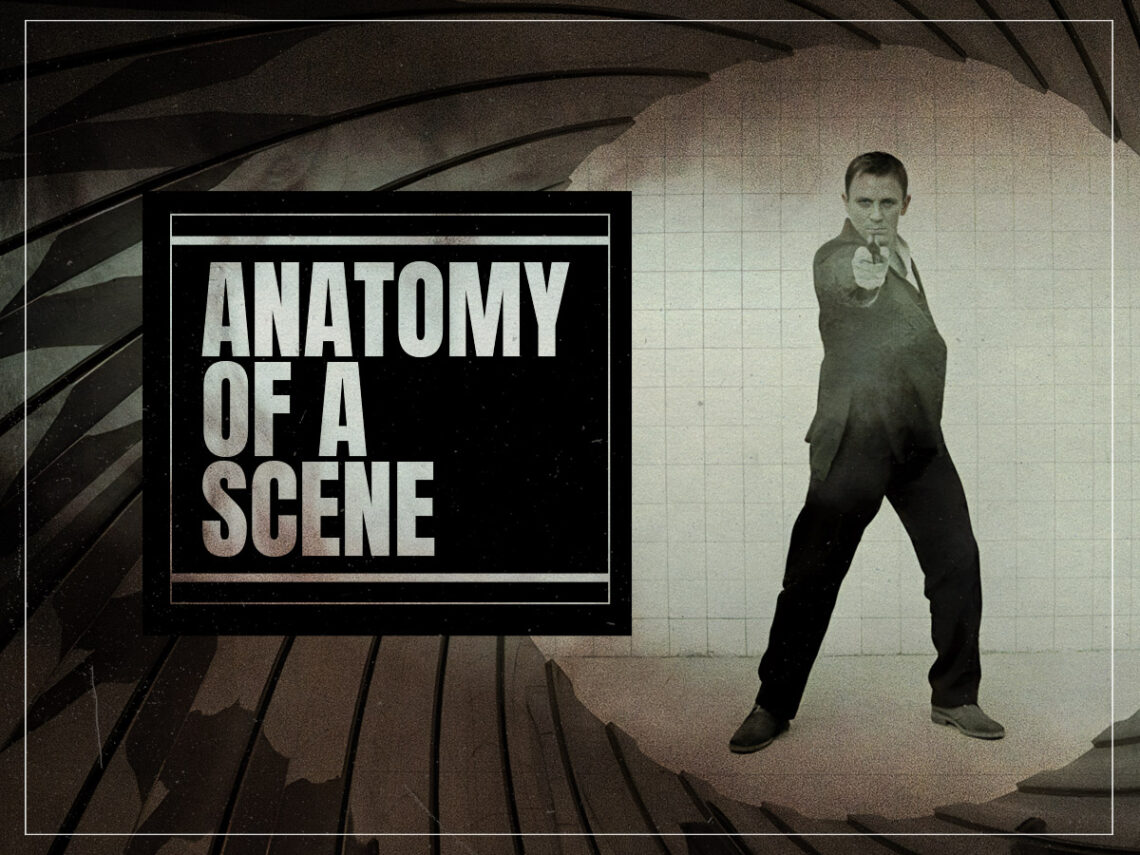
Anatomy of a Scene: the ‘Casino Royale’ cold open drags James Bond into modernity

By the end of Pierce Brosnan’s tenure in Die Another Day, it was clear the James Bond franchise needed its latest fresh coat of paint. The actor’s tenure had started strong with GoldenEye, but by the time Brosnan headlined his fourth and final outing, 007 was one step away from the eyebrow-raising self-parody of the latter Roger Moore years.
A shakeup was required, especially when the intervening years had placed Bond in danger of being usurped as the average viewer’s favourite agent of espionage. Not only that but there was a huge degree of irony in the character running the risk of being overtaken by two hard-hitting favourites with the very same initials in Matt Damon’s Jason Bourne and Kiefer Sutherland’s Jack Bauer, who brought a harder edge to stories of counterintelligence and action-packed subterfuge that hit harder than Bond ever had.
Having already brought the series back from the brink once before by ending 007’s longest-ever exile from screens to a close when he helmed GoldenEye, Martin Campbell was brought back into the fold to see if he could make lightning strike twice with Casino Royale. Obviously, he did, but the saga still had to navigate its most bizarre outcry in order to reach that point.
Daniel Craig, how dare he, had blonde hair. For many, that simply wouldn’t do, lessening the expectations of staunch Bond supporters. Once Casino Royale hit cinemas in November 2006, all it took was a little over three minutes for audiences, detractors, and naysayers alike to realise that not only was he the right man for the job, but he was the perfect actor to drag MI6’s finest kicking and screaming into the modern age.
The pre-credits sequences had become a hallmark of the franchise, introducing Bond’s latest adventure with a high-stakes action sequence featuring intricate and expansive stuntwork designed to hook viewers from the very start. Casino Royale definitely had that but narrowed the focus to illustrate that not only was 007 going back to his roots, but the days of exaggerated set pieces and borderline self-referential escapades had been consigned firmly to the past.
The monochromatic cinematography immediately gave the cold open a classic feel, juxtaposed with onscreen brutality the likes of which Bond had never partaken. Cutting between the present and the very recent past, Craig’s conversation with the traitorous Dryden allowed him to present his new take on the character as one that wasted little time getting to the point but displayed enough screen presence and gravitas to indicate he had the acting chops to succeed in the role.
Meanwhile, the crunching bathroom fight underlined that even though Craig was definitely playing James Bond, the iconic hero, he was nothing like his predecessors. 007 had been in plenty of scraps before, and he’d been involved in more than a dozen introductory action beats, but none like this.
He barrelled an assailant through a bathroom stall, kicked them square in the face when they were lying prone, choked the life out of them, and finished the job by drowning them in a sink. Craig was battered, bruised, bloody, and caked in sweat. Not very Bond-like in the conventional sense, but it was perfect for the 21st century.
Dryden discovering that 007 had removed the bullets from his gun was another inspired flourish that reiterated that as well as being able to kick ass with the best of them, Craig’s Bond had sacrificed none of his smarts. It ends with the gun barrel sequence because it has to, but it doesn’t feel tacked on. Instead, it was a breath of fresh air, a bold and brave new era, and a statement that the next iteration of the legendary protagonist was going to stay with the times instead of waiting until they catch up and get too close for comfort.
