


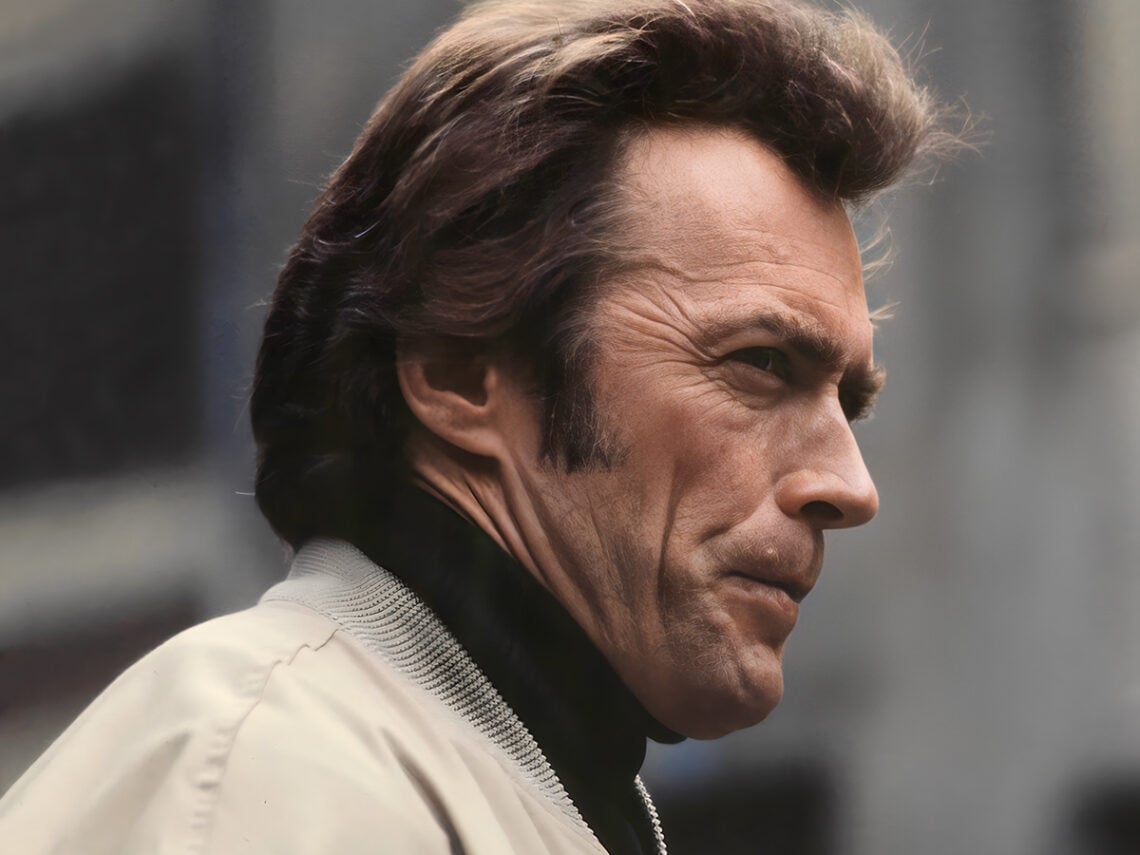
The career-defining movie Clint Eastwood was told not to make: “Get rid of it fast”

When Clint Eastwood first picked up a controversial script that came across his desk in 1985, one of his close confidantes discouraged him from reading it. Dutifully, Eastwood took their advice and threw it in a drawer. However, when he was looking for writers to do a pass on another project, he dug that supposedly dangerous script out of the drawer and finally gave it a read. Amazingly, he loved it so much that he turned it into a career-defining movie with barely a word changed on the road from page to screen.
The story of this particular classic goes back to 1976, when struggling screenwriter David Peoples first penned a draft of a hard-edged, uncompromising western. He knew it would be a tough sell in Hollywood, and for several years, this proved the case, as few producers or directors seemed willing to take on the script. Perhaps this reticence had something to do with the bleak titles Peoples chose. You see, he first named the screenplay The William Munny Killings and later changed it to the even more abrasive The Cut-Whore Killings.
By the time the script got to Eastwood, it had already been with Francis Ford Coppola for a few years. He tried valiantly to get the project off the ground but was unsuccessful, and eventually, his option lapsed. Eastwood was keen to see what all the fuss was about but was dissuaded from even cracking the script open by Sonia Chernus, his close associate and screenwriter of The Outlaw Josey Wales. In fact, her take on what she had read was scathing.
“We would have been far better off not to have accepted trash like this piece of inferior work,” wrote Chernus in a memo. “I can’t think of one good thing to say about it. Except maybe, get rid of it fast.”
Chernus’ verdict was so damning – and Eastwood trusted her opinion so implicitly – that he figured she must be right. Peoples’ screenplay went into a drawer and only emerged sometime later when Eastwood was on his search for a writer. This time, though, the iconic star actually read the script, and he was stunned. He loved the revisionist western’s bleak, matter-of-fact approach to violence and realised Munny was a nuanced role that could subtly comment on his history as a screen gunslinger. To Peoples’ delight, Eastwood decided to direct and star in the film, which he renamed Unforgiven.
Amazingly, despite the script being deemed appalling and grotesque by most of Hollywood, including Eastwood’s close friend, he committed to the text as if it were sacred. When Peoples saw the film’s first cut, he was shocked by how little Eastwood had altered from the script. In fact, in 1992, he told The Los Angeles Times that star Frances Fisher told him “this was the first time she saw a shooting script that was entirely in white. Most of them are multicoloured, full of blue and red pages or whatever, representing various changes in the screenplay.”
Unforgiven became one of Eastwood’s most outstanding achievements. It grossed $159 million at the box office and won four Academy Awards: ‘Best Picture’, ‘Best Director’ for Eastwood, ‘Best Supporting Actor’ for Gene Hackman, and ‘Best Film Editing’ for Joel Cox. Peoples also received a nomination for ‘Best Screenplay’, which was quite a turn of events for a script dismissed as distastefully brutal by much of Hollywood.
In the end, a delighted Peoples was convinced that the right man made the movie, even if it took 16 years from his first draft to the film’s release. He told the LA Times, “It’s hard to imagine anyone making it as straightforwardly and uncompromisingly as Clint. No studio would have made it that way — dark, moody. With a lot of voices, things generally end up becoming blander and more accessible. Unforgiven was Clint Eastwood saying, ‘This is what I’m going to do. Get out of my way.'”

Never Miss A Tale
The Far Out Clint Eastwood Newsletter
All the latest stories about Clint Eastwood from the independent voice of culture.
Straight to your inbox.