


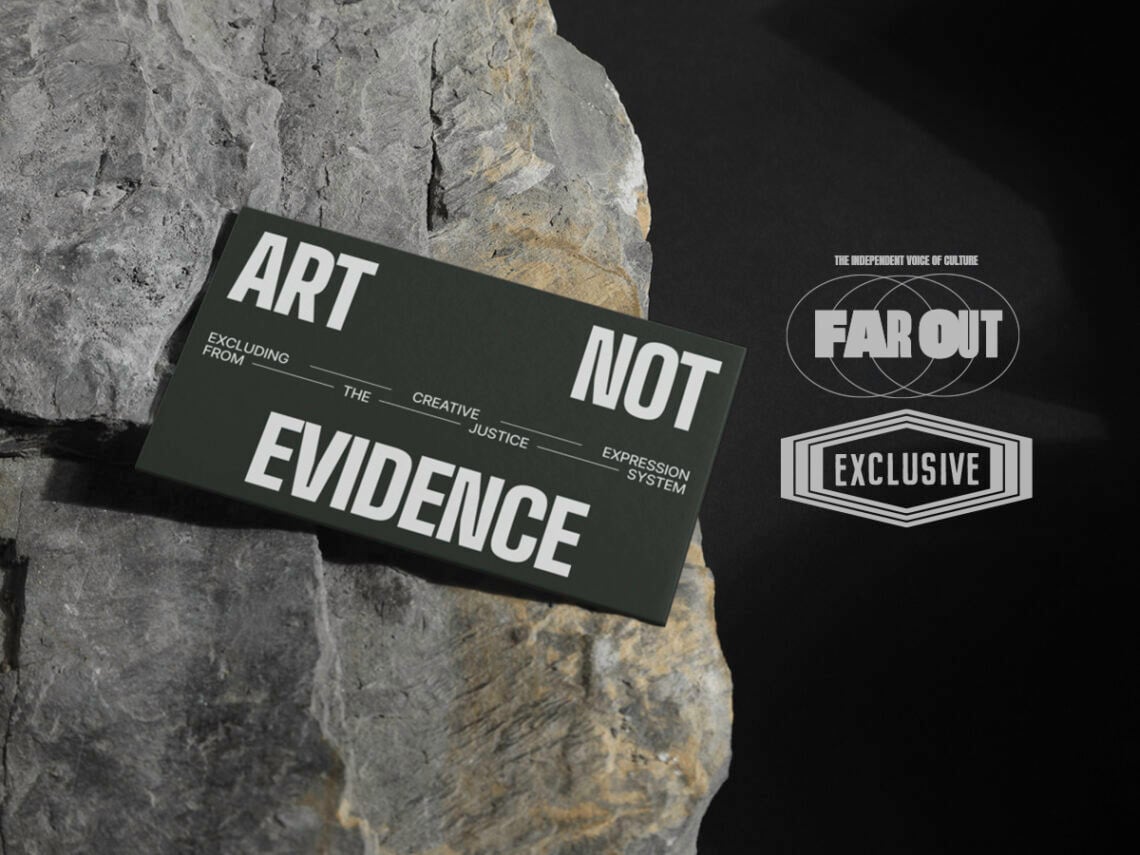
Campaign group, Art Not Evidence, say use of rap lyrics as criminal evidence is creating “countless miscarriages of justice”

A campaign group has claimed that the current use of rap and drill music as evidence in criminal trials is creating “countless miscarriages of justice”.
The Art Not Evidence group, backed by music industry figures from Billy Bragg to Giggs, is calling on the government to make an amendment to the current Victims and Courts bill being debated in the House of Lords this week.
The change to the law would make it inadmissible for the police to present lyrics as evidence in criminal trials, except in cases where they are being said in a literal sense.
Campaigners from the group have today (February 9th) sent an open letter to Deputy Prime Minister David Lammy, calling for “police and prosecutors to stop relying on irrelevant, unreliable, and highly prejudicial evidence in pursuit of convictions; for defence lawyers to challenge prosecutors; and for judges to exclude such evidence.”
According to Art Not Evidence, at present, the law is disproportionately affecting Black young men who create rap and drill music, as their lyrics or even appearances in music videos can be claimed as evidence for gang or crime affiliation.
The amendment, which is being tabled by Labour peer Baroness Shami Chakrabarti with support from Baroness Doreen Lawrence, is due to be debated in the House of Lords on February 11th.
Speaking to Far Out, the founder of Art Not Evidence, Elli Brazzill, said: “Rap music is being used as evidence today, most often, when the music or lyrics have nothing to do with the crime. It is simply used to bring racist stereotypes into a courtroom to convince a jury that a young Black man, or usually group of young Black boys are criminally minded or of ‘bad character’. To reduce one of the most powerful and innovative art forms to literal evidence is heartbreaking and has already created countless miscarriages of justice.”
She continued: “This practice is undoubtedly restricting artists’ freedom of creative expression, as well as those that simply use rap as journalling, therapy or poetry to express themselves. Who knows what amazing music we’re missing out on because of their fear of criminalisation, let alone the damage any self-censorship and silencing has on young men unable to express what they feel inside.”
The amendment bill has already received extensive support from Chakrabarti, who told The Guardian that the current ability to use such figurative evidence was a “ridiculous position”.
The publication noted that London and Manchester are the two worst-affected areas where this type of evidence is being used in criminal trials, with the number of case appeals in light of it having tripled in recent years.
Despite this, the Crown Prosecution Service has stated that no one has ever faced a conviction solely based on their involvement in the rap or drill scene.
Both the Metropolitan Police in London and Greater Manchester Police have been approached for comment.

Never Miss A Beat
The Far Out Music Newsletter
All the latest music news from the independent voice of culture.
Straight to your inbox.