


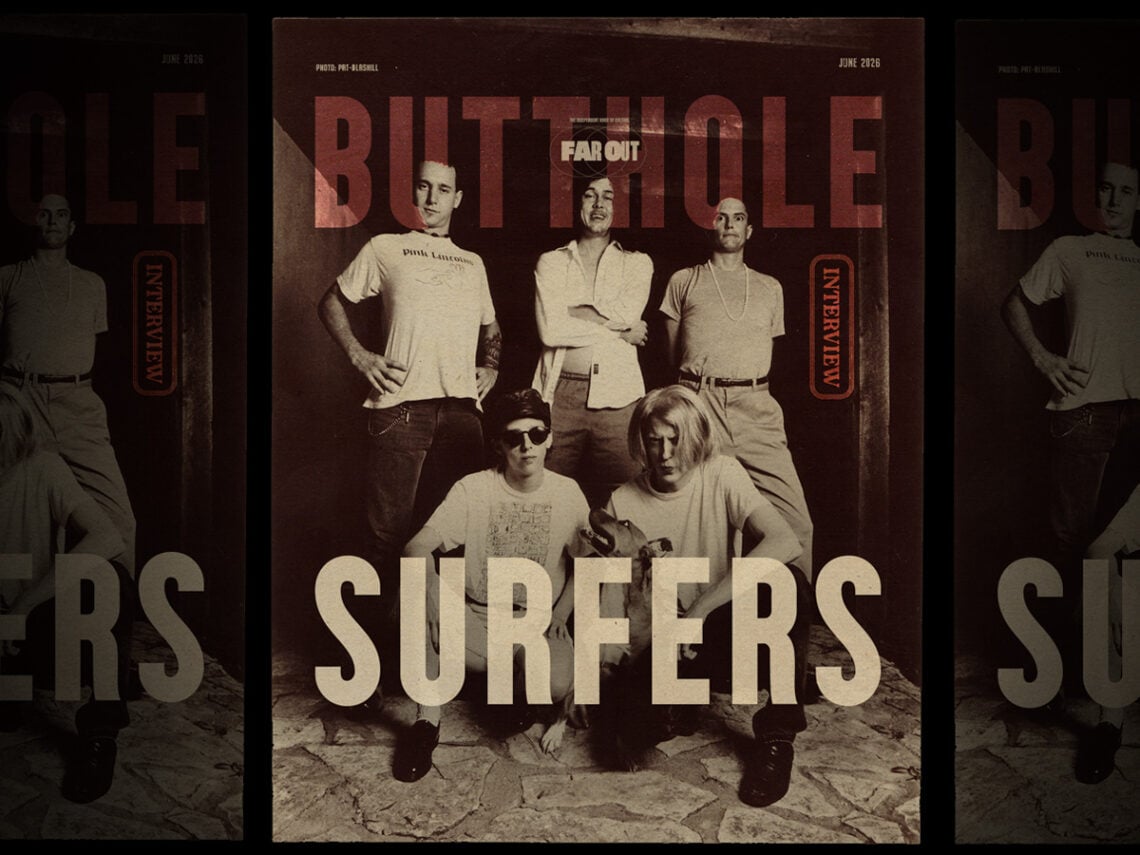
“We’re old men now”: Butthole Surfers’ Paul Leary looks back on ‘After the Astronaut’s 1990s wormhole

It almost existed as a rumour among Butthole Surfers mythos, but the long-lost After the Astronaut has finally seen the official light of day after nearly 30 years buried in the vault.
Not that the most committed hadn’t enjoyed a look in. Bootleg copies and digital rips have floated around the internet since Napster, and someone, somewhere, will be in possession of the few promotional advances issued by Capitol Records shortly before its release, but it’s taken Butthole Surfers guitarist and co-founder Paul Leary to dust off the old session tapes for a new mix and production flair on After the Astronaut’s document of just where the Butthole’s were surfing to at the end of the 1990s.
The ride had been a wild one. By the late 1980s, the Butthole Surfers stood unsurpassed as the most feral, psychedelic hardcore band in the States’ alternative underground. Their live shows still radiate infamy. All sweating LSD out of their pores, on stage pyromania, backing footage of genital reconstruction surgery (sometimes played backwards), and ‘Ta-Da the Shit Lady’s arresting nude dancing, the Butthole Surfers’ volatile lysergia would score a series of grippingly fetid LPs before arriving at their backwaters masterstroke, Locust Abortion Technician in 1987.
Then, like much of the punk and hardcore kicking against the decade’s hair metal buffoonery, Butthole Surfers were suddenly thrust to the relative mainstream as Seattle’s grunge dam burst all over the Billboard charts in the 1990s. Before long, frontman Gibby Haynes and the band found themselves as one of the key forces of the new Alternative Nation era, playing shows at Lollapalooza, enjoying MTV rotation, and being sniggered at on Beavis and Butt-Head. For a band sprung from Leary and Haynes’ Strange VD medical ailments comedy zine in 1981, such fame was more than surreal for the Texan guitarist.
“It was kind of like being on that old TV show, Candid Camera,” Leary tells Far Out with some mirth. “The whole thing seemed like it wasn’t real, and I was waiting for somebody to pull the plug and say it was all a big joke. But no, it was amazing, you know? I thought we were going to starve to death and die, and then we ended up making it to a major label and working with John Paul Jones and having a hit song and all that other crap.”
From the Led Zeppelin bassist producing 1993’s Independent Worm Saloon to the later ‘Pepper’ topping the US Modern Rock Tracks three years later, an invitation to perform the latter on the Late Show with David Letterman brought the Butthole Surfers joke to its own, farcical conclusion. “We lost a lot of our original fans who thought we had sold out, and yeah, we did sell out,” Leary shrugs. “To me, that was the whole point. The joke was complete at that point. We were the Butthole Surfers, you know? The fact that we sold out. I mean, it doesn’t get any stupider than that.”
While they may have “sold out”, the Butthole Surfers weren’t lacking in creativity. Eager to get back in the studio after 1996’s Electric Larryland, the new approach of each member sketching out demos and individual pieces cut in their home set-ups and brought together for the main album sessions would spark an experimental air among the group that hadn’t been quite so potently felt as back in the Locust Abortion Days.
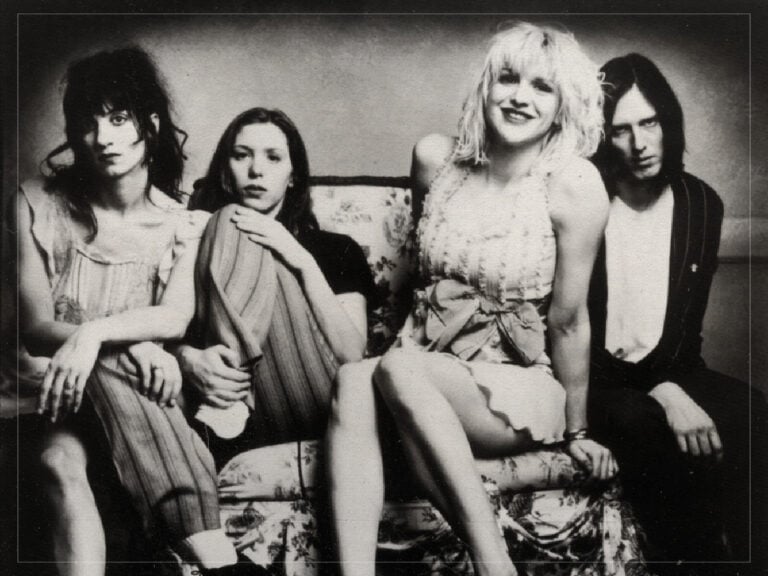
Recorded in 1998, After the Astronaut further immerses itself in the era’s contemporary flavours, touched on Electric Larryland but twisted and discoloured in Butthole Surfers fashion. Serrated hip-hop beats, industrial bite, dance groove collages, and a bristling sampledelia exotica all pulse and radiate from the band’s ‘eighth’ record, and see them wade across a richer terrain of aural terrain, from ‘Intelligent Guy’s electronically-slicked fuzz rap to ‘Jet Fighter’s phantasmic folk wanders.
Then there’s the happy accidents. Serving as a spiritual sequel to the nightmarish ‘22 Going on 23’, ‘I Don’t Have a Problem’ similarly captures a slice of humanity hanging in the airwaves via drummer King Coffey’s very fun but very illegal device for intercepting phone calls for its eerie vocal snippets.
All seemed to be incredibly happy with the new record. After the Astronaut was in the can, promo copies were distributed, and Leary even managed to nab album artwork from kitsch surrealist Mark Ryder. Yet, Capitol put a block on the album’s release for concerns about its commercial appeal, then kicked the Butthole Surfers off their roster for good.
“When they dropped us, they didn’t just say we could go on our merry way,” Leary recalls. “They still owned us, so we couldn’t do anything, and there was a couple of years in limbo that were just brutally horrible.”
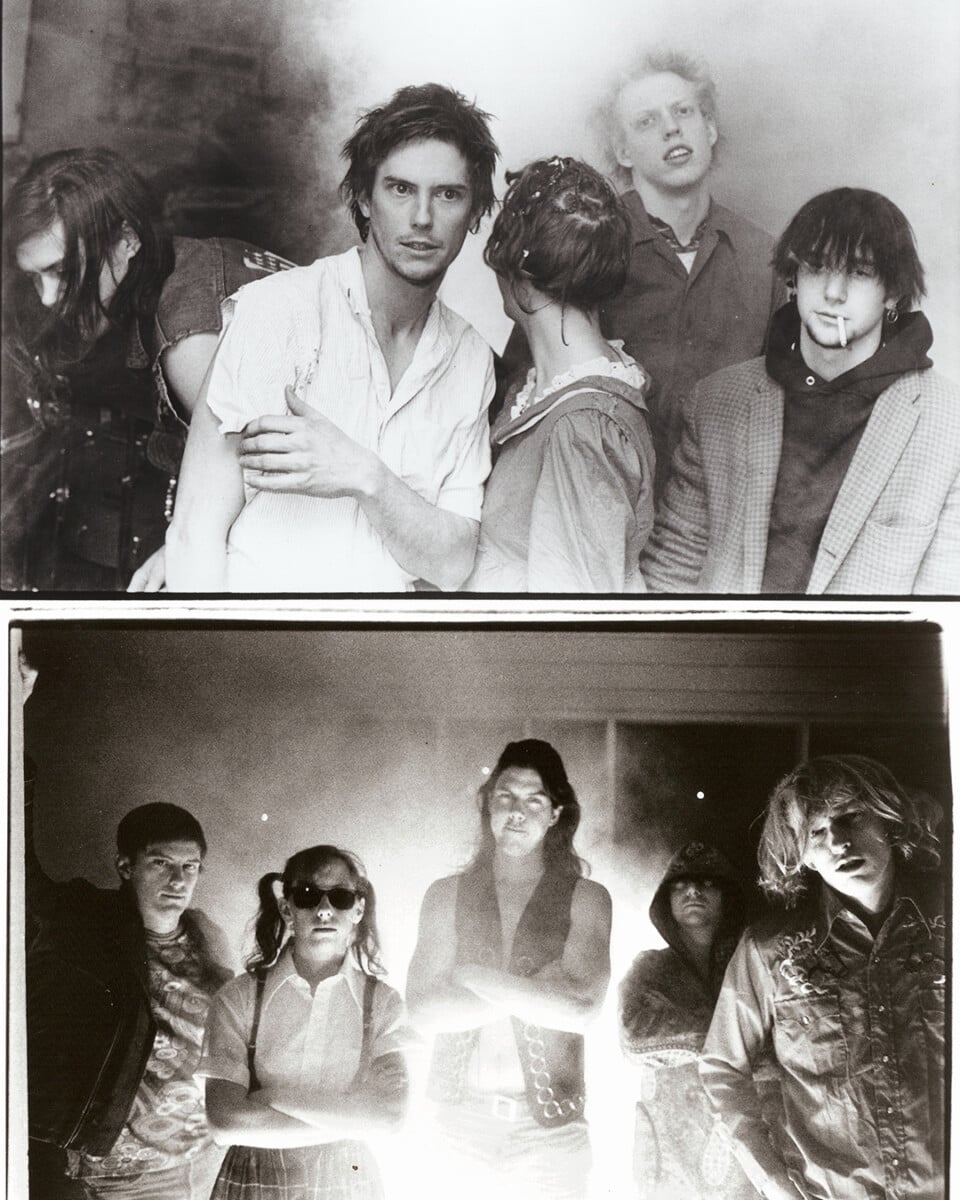
Whether triggered by the then band manager lapsing “back to doing heroin” according to Leary, or Capitol’s president’s switch from the former fan, Hale Milgrim, to former Geffen bigwig Gary Gersh, who was eager to wash their hands of the band, the Butthole Surfers were without a label or even ownership of the After the Astronaut record. The days of smoking pot on the Capitol Building roof were over for Leary and the gang.
Yet, all was not lost. It took a joint venture between the indie Surfdog label and the Disney empire’s deep coffers, courtesy of its Hollywood Records label, to buy the After the Astronaut project from Capitol’s grip. The House of Mouse, however, turned out to be just as anxious as the Butthole Surfers’ former label honchos.
“They didn’t want the project as is,” Leary reflects on Hollywood’s top-down demands. “They wanted to put their own spin on it, so they dropped a few songs and added a few songs, and had us change the songs that were on there, and that was a painful process, because we had it, we had what we wanted, and we’d never been told what to do by a label before.” Later, he adds with just a small degree of pain, “We didn’t like it, our fans didn’t like it, but it came out anyway.”
What eventually “came out” was 2001’s Weird Revolution. While Leary would yield plenty of experience as an emerging producer, sharing studio duties with Green Day producer Rob Cavallo and marvelling at the consoles used to record John Lennon’s Imagine and The Beach Boys’ Pet Sounds at Los Angeles’ Ocean Way, the Butthole Surfers ‘eighth’ LP would stand as a thin and underwhelming finale to the band’s story. With the bulk of the material compromised to the point of dilution, the extra original songs of ‘Dracula from Houston’ and ‘The Shame of Life’ feel plucked from a different band altogether, the latter co-written by Kid Rock, no less, who Leary makes clear would never have considered had he anticipated the country-rapper’s turn to “a MAGA warrior” further down the line.
“I almost hate reliving it in my mind,” Leary confesses when considering the turmoil of the time, from Haynes’ drug habit and near-violent episodes in the studio to the absurdity of the Texan psychedelic punks knocking out a nu-metal-tinged rap single with Kid Rock sharing songwriting credits. As ever, Leary ultimately put it down to the Butthole Surfers prank that ballooned beyond all expectations.
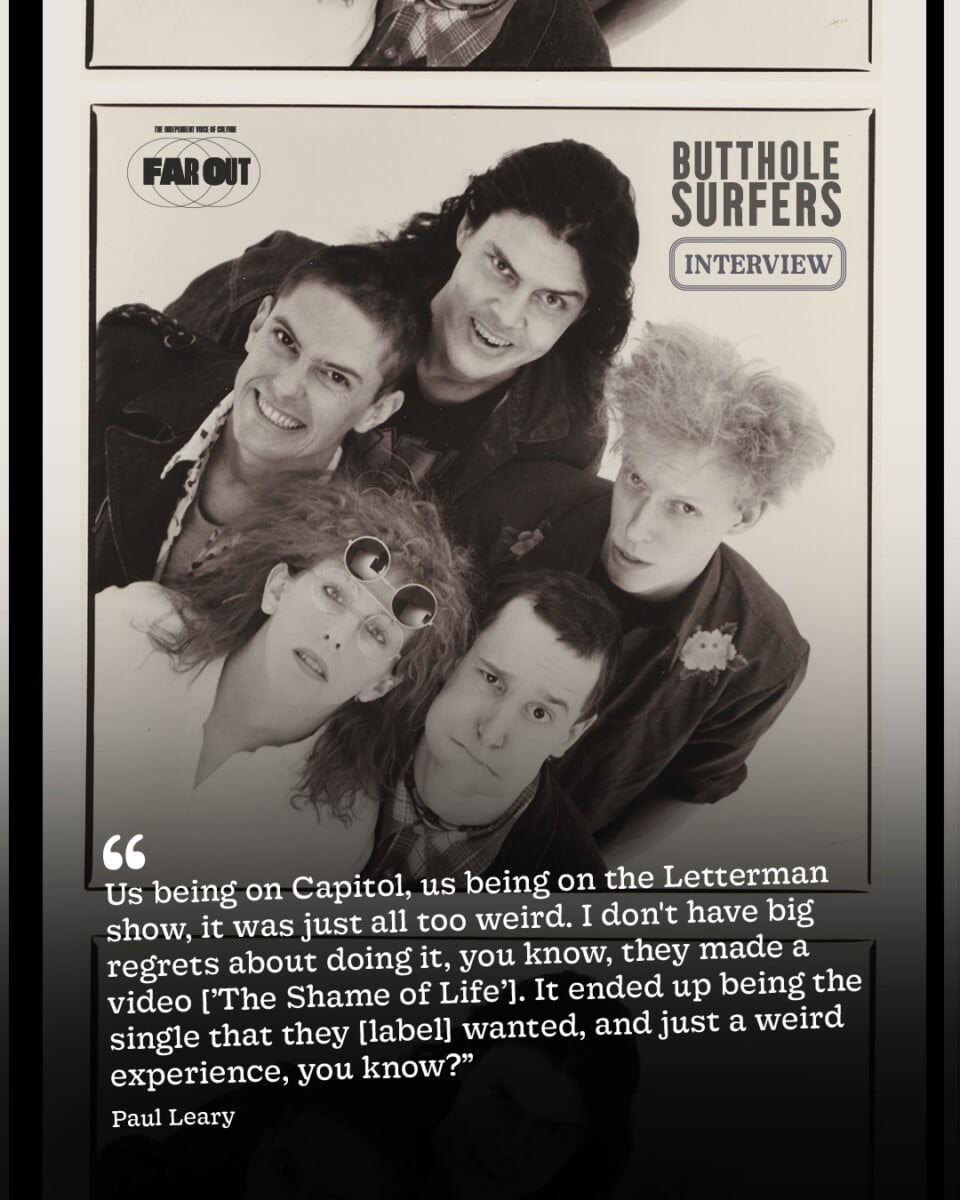
“There’s a joke, just like everything else,” Leary furthers. “Like us being on Capitol, us being on the Letterman show, it was just all too weird. I don’t have big regrets about doing it, you know, they made a video [’The Shame of Life’]. It ended up being the single that they [label] wanted, and just a weird experience, you know?”
For years, Weird Revolution existed as the Butthole Surfers’ final bookmark on their album run, an entry most fans likely left gathering dust in favour of their earlier glories. Following several years of semi-frequent live shows, including the classic line-up with Jeff Pinkus and Teresa Nervosa at points, a chance stumble upon After the Astronaut’s original analogue 24 track recordings in the early 2020s prompted Leary to resurrect their long-buried ‘eighth’ album proper. Hollywood Records agreed to let the band do as they wished, and finally gift fans the authorised version that had long been shrouded in Butthole Surfers lore.
Lacking access to the original mixes, Leary largely left After the Astronaut exactly as it was, save a little sonic boost and heft here and there, presenting their ‘ninth’ album as a wormhole straight back to the weird moment when the 1990s charts opened its arms to a gaggle of Texan misfits who boasted cuts like ‘Kuntz’ and ‘The Shah Sleeps in Lee Harvey’s Grave’ only several years previous. Most importantly, as Leary professes to lack “inspiration” for musical pursuits in his later years and implied band duties are coming to a definitive close, After the Astronaut sees their story end on their own creative terms alongside the long-gestated Butthole Surfers: The Hole Truth And Nothing Butt documentary feature.
“I just wanted to keep the original vibe to it, so not try to recreate it into something different or something new, you know?” Leary reflects on the Butthole Surfers’ resurrected artefact. “It’s dated, and that’s fine with me. We’re dated, we’re old men now.”

Never Miss A Beat
The Far Out Punk Newsletter
All the latest Punk content from the independent voice of culture.
Straight to your inbox.