


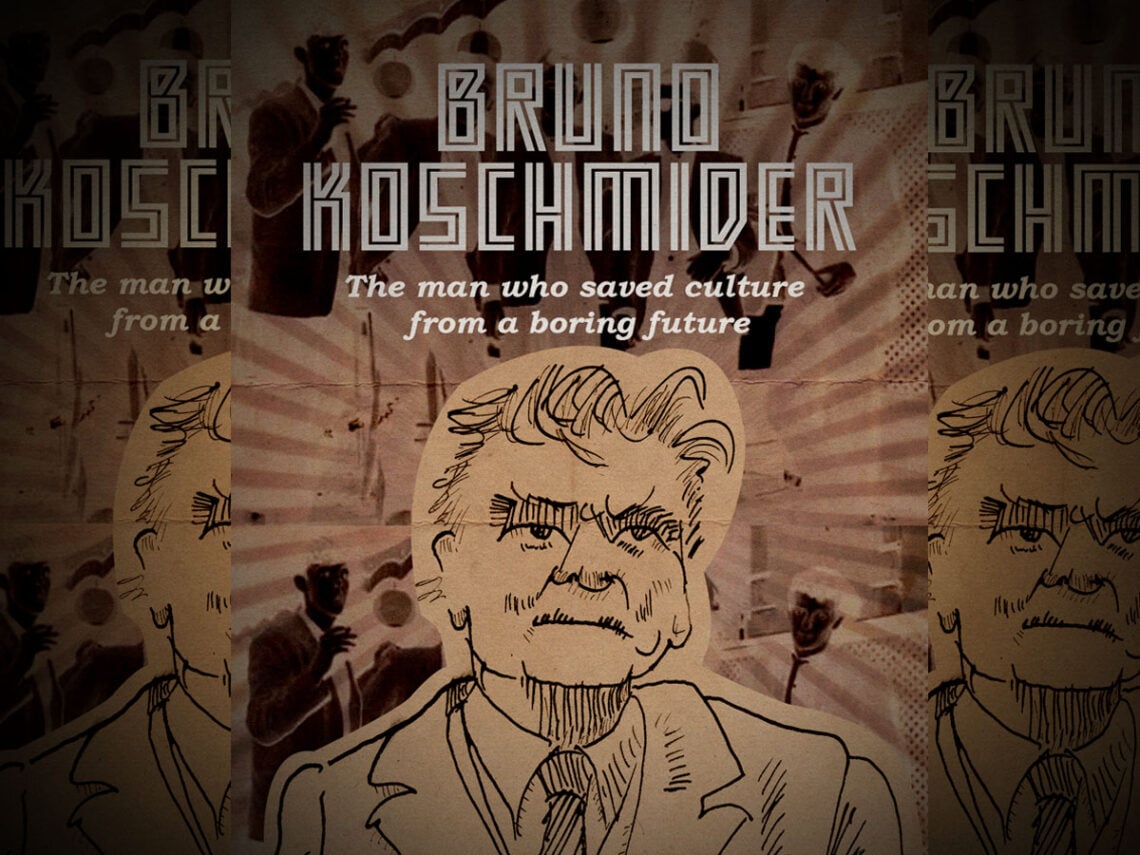
Bruno Koschmider: The man who saved culture from a boring future

The puppeteering fingers of fate are particularly fickle when you’re working class. Without a safety net of cash to support them, in 1960, these crooked fingers had The Beatles hopping perilously close to a cliff edge otherwise known as ‘calling it a day’.
The young band were barraged with such a whirlwind of harsh realities that it is pretty much a miracle that they managed to survive the inaugural year of a decade that they would go on to dominate.
Tommy Moore departed the drum seat for The Silver Beetles, as they were then known, to work in a bottle factory because he couldn’t tolerate John Lennon’s antics any longer. Then, the swiftly drafted replacement, Norman Chapman, was just as swiftly drafted into the National Service.
The squalid conditions that Stuart Sutcliffe and John Lennon were living in on Gambier Terrace soon became public knowledge when The Sunday People ran a story titled, ‘This is the Beatnik Horror’. This promptly led to their estate agent evicting them, not only rendering a fair chunk of the band homeless, but also stripping the group of their boho headquarters.
Speaking of ‘stripping’, with the band’s regular show at the Grosvenor Ballroom cancelled after Lennon asked the crowd for a volunteer drummer and a local gang leader took up the vacant stool, resulting in fears of a riot, the group’s only source of income was playing as the backing band for Janice the Stripper.
While Sutcliffe might have negotiated a decent fee for “the bloody indignity” of it all, the band were still reduced to relying on food parcels from Pat Moran, their number one fan, to survive. Make no mistake, this was not some flouncy art project pruning itself to inevitably pounce on the zeitgeist, but a rundown enterprise on the brink of proverbial bankruptcy.

As the summer of ‘60 came to its crash-bang close, even the lucky strike of a pot to piss in, whatever one of those is, befalling the beleaguered band would’ve been like a malnourished squirrel inheriting a fruit and nut factory. But the mop-topped Liverpudlians were all out of luck, and for readers of a more flush disposition, it is worth reiterating that a consecutive run of rotten fate is a curse that many working-class artists never recover from.
Another few months of lean hardship and Lennon might’ve been forced to finally knuckle down at art college and maybe pursue a career as the most cantankerous teacher in Merseyside. The charming Paul McCartney might have joined his father, selling cotton door-to-door. George Harrison, obviously, would’ve started dealing weed from a council flat in a Baja hoodie. And the unequivocal ‘daft lad’, Ringo Starr (though not yet a member of the band), would likely still be looking for the tin of tartan paint he was tasked with fetching half a century ago.
And as for the world, well, it would’ve been a whole lot more boring. But one lucky patron stepped in at the perfect time and saved modern humanity from a far drearier decline. His name was Bruno Koschmider, and he was a fucking lunatic.
The life and times of Bruno Koschmider
Former circus clown, fire-eater, and war veteran, Bruno Koschmider hobbled around his various strip clubs and porn cinemas with a curious air of gruff disdain. Born in the Free City of Danzig, Koschmider had barely survived the war and suffered greatly from his injuries. Perhaps it could be argued that this made him the benefactor of an acute sense of what people wanted from life. And what they wanted, he figured, could be surmised by the phrase: mach schau.
This thunderous German heckle translates as ‘make show’. In other words, ‘I’ve been down at the docks all day trying to rebuild this crippled country, so if you don’t do something interesting in a hurry, then I’m liable to fall asleep standing up’. Both the locals and frequent American military personnel based in the St Pauli district took to barking this at the bands that big, bad Bruno had hired, of which Koschmider took note.
Even the edgy German oompah bands of sultry St Pauli weren’t quite cutting it for the rowdy, cosmopolitan crowd craving American rock ‘n’ roll. So, Koschmider sought the cheaper British facsimile. After various trips over to England, he made acquaintances with the scouse talent booker, Allan Williams.
The wily Williams sorted him out with Tony Sheridan, who became an instant success in Hamburg, but he didn’t hang around for long. Fate then placed Koschmider and Williams in the same Soho coffee shop once more, and this time, he provided a five-piece band featuring future Wings-man Howie Casey called Danny and the Juniors to play his seedy Kaiserkeller club. They were an even bigger triumph.
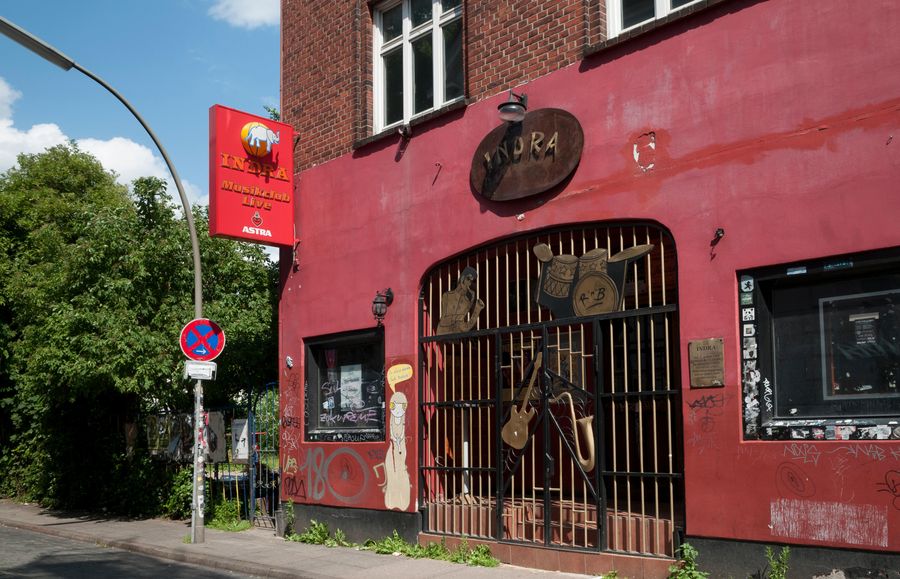
Hoping to replicate the success in his slightly smaller, failing Indra Club, Koschmider got back in touch with Williams and demanded another rocking five-piece. Everyone was turning Williams down. Gerry and the Pacemakers didn’t want to relinquish the safety net of their day jobs. Rory Storm and the Hurricanes preferred the lure of Butlins. You could tell that Williams was nearing the bottom of his list when he turned to the not-yet Fab Four to fill the role of a five-piece.
In the band’s desperation for a break before calling it quits, they agreed to take on Pete Best and head from one rough and tumble port to another in the rowdiest reach of Germany. It’s true that the rest is ancient history, but Koschmider’s role has often been overwritten. The barmy Pole wasn’t just a bullfrog businessman. He was the master of mach schau.
“Mach Schau!”
His trademark remark became the central tenet of punk, which, for those present in Hamburg, seemingly predated the standard accepted etymology of the snarling Sex Pistols by 15 years, with The Beatles heeding Bruno’s bellow by leaping into the audience, staging mock fights, and gladly gobbling down the pick-me-up pills that gangsters passed their way. Punk.
Nothing was humdrum in Koschmider’s clubs. They were a bucknaked riot that brought to fruition the epitaph that would come to define the decade ahead: sex, drugs, and rock ‘n’ roll. He might not have made The Beatles, but he did save them. In turn, he ensured the future of pop culture was not a bourgeoisie ball-ache of the same old ballads.
By the time The Beatles had left Hamburg, Koschmider’s money and mach schau guidance had transformed them from the brink of proverbial bankruptcy to a band who truly were pruning themselves to inevitably pounce on the zeitgeist. Once you know how to keep a brutal, fire-eating, former circus clown and a room full of drunken sailors and transexuals happy, then entertaining the general public becomes a bloody cakewalk.

Never Miss A Beat
The Far Out Beatles Newsletter
All the latest stories about The Beatles from the independent voice of culture.
Straight to your inbox.