


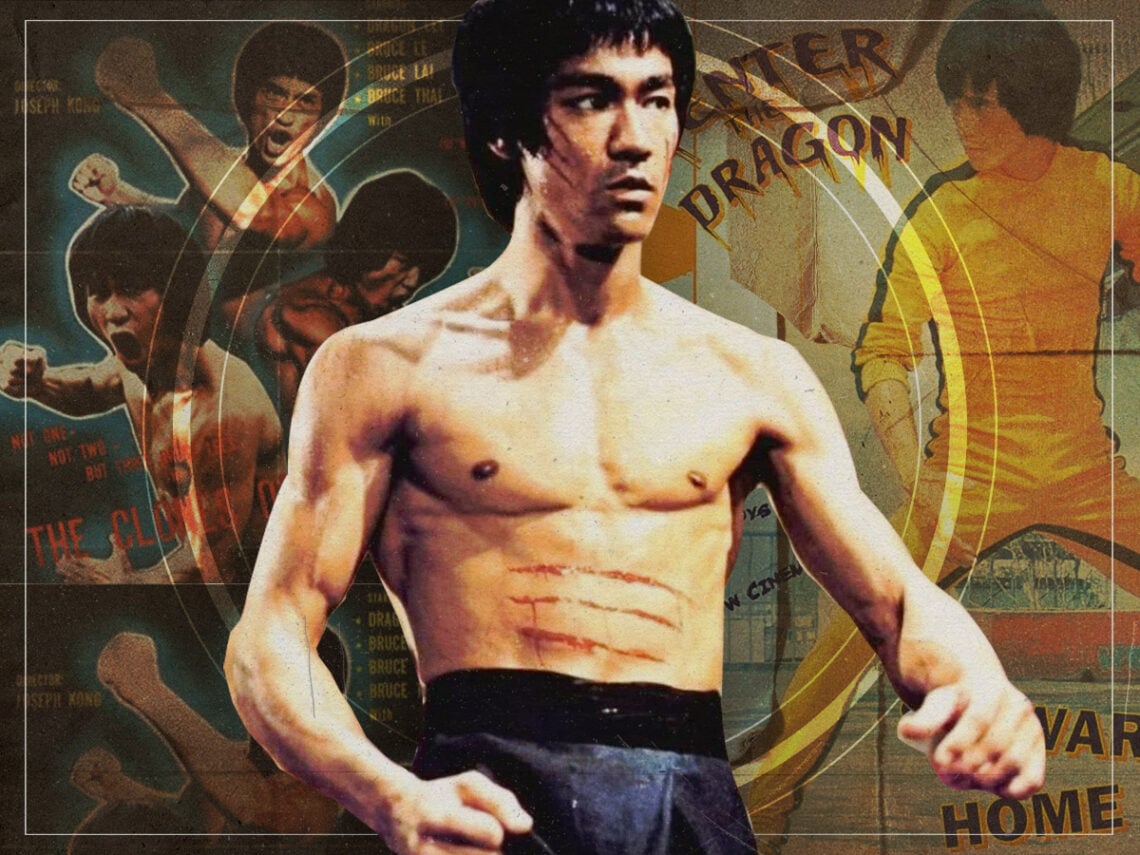
Brucesploitation: a cinematic ode to the greatest martial arts legend

Ask any aspiring actor who wants to make it in the world of action cinema, and chances are that they grew up worshipping Bruce Lee. Widely regarded as the man who introduced Asian martial arts flicks to Western audiences, Lee played a major role in not only shaping the future of the genre but also serving as an inspiration for multiple generations of artists. However, not all of that inspiration was particularly inspired, especially when it comes to Brucesploitation.
Lee was at the height of his fame in the 1970s, having starred in movies like Fist of Fury and The Way of the Dragon, when the news of his death shocked the entire world. Following his tragic and untimely demise in 1973, there was a massive hole left in the Hong Kong industry, which had been almost singlehandedly propped up in Western markets by the late icon.
It was impossible not to sit up and take note of how successful Enter the Dragon, Lee’s final movie appearance during his lifetime, was and the impact it had on the commercial frameworks of martial arts filmmaking. Hoping to capitalise on the star’s sudden absence, several studios had the brilliant idea to start their own subgenre featuring Bruce Lee lookalikes: Brucesploitation.
Ranging from Bruce Li to Bruce Le, the floodgates opened for Brucesploitaiton flicks that filled regional markets in order to cater to fans who were looking for a quick fix for their addictions to the magic of Bruce Lee. Although it might be easy to quickly dismiss them as low-quality exploitation works, there is also a charm to their earnest efforts to imitate the inimitable.
With plays on the titles of Bruce Lee movies such as Re-Enter the Dragon and others like Exit the Dragon and Enter the Tiger, where the ascension of the next Bruce Lee is depicted, Brucesploitation is interesting from a sociocultural perspective because of the various ways in which it interacted with Lee’s larger-than-life mythology. In fact, it wasn’t always imitations which were counted within the wide-ranging domain of Brucespolitation.
For example, the 1980 work Fist of Fear, Touch of Death tried to use archival footage to fool audiences, while Sammo Hung’s Enter the Fat Dragon parodied the image that Lee had created in order to generate a comedic effect. It was that transition to comedy that facilitated the end of Brucesploitation, and that charge was led by none other than Jackie Chan, who showed the world that it was possible to use those same frameworks to create physical comedy like a modern-day Buster Keaton.
Some of the studios might have profited from the trend, but it wasn’t exactly easy for the imitators to fill those shoes. In a conversation with Variety, Bruce Le said: “Bruce was a very dedicated performer, and acting is not like kung fu. So, it wasn’t actually as easy to imitate him as they thought because of the acting component involved. At the start, we wanted to imitate our idol. But after making ten or so movies, I started to create my own style — but at the same time, I was still following the spirit of Bruce Lee.”
Looking back on Brucesploitation, it’s clear that all of it is only valuable because of their comedic worth. If you want to see Bruce Lee imitators fighting Clint Eastwood imitators or even Dracula on a Friday evening after a tough week, there’s an endless treasure trove of low-budget guilty pleasures waiting for you.
