


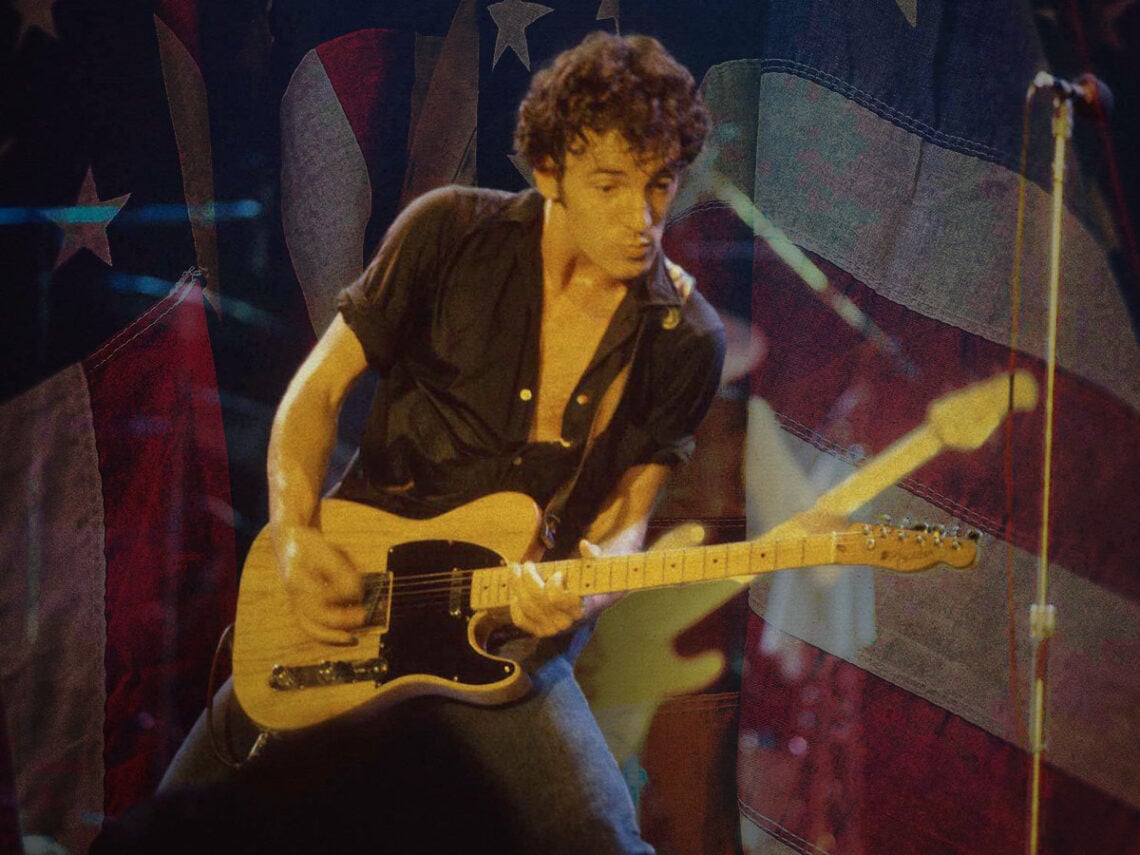
The one artist every serious music fan should appreciate, according to Bruce Springsteen

While he’s spent large amounts of his career venturing into other territories and trying his hand at different things, Bruce Springsteen has always approached everything he touches as a true scholar of rock and roll would.
No matter what point in his career you want to zoom in on, there’s always going to be a way to link it back to his complete and utter devotion to keeping rock and roll alive. His humble origins in New Jersey saw him take up an interest in the style, and for him, that was all it was going to take for it to be fully embedded in his approach.
Of course, he’s developed his own take on it and helped to evolve the genre, but for someone of his age, it’s hard to avoid the influence of rock and roll. Given that he would have grown up in the 1950s, when the genre first experienced an explosion into the mainstream, it would have arguably been the most exciting thing for a youngster to latch onto, and separated those who were into lighter pop music from those who wanted something with a little more edge.
When rock and roll first became a cultural phenomenon, it essentially established a new rulebook for non-classical or non-jazz musicians to abide by, and even though there was flexibility when it came to following said guidelines, it was so easy to identify just how far these trailblazers had gone to forge something new.
However, in the eyes of Springsteen, there wasn’t anything truly original about what they had done either, with all of its roots having come from somewhere in the past. In a 2010 interview with NPR, he elaborated on this perspective of his, noting how, despite his own attempts to forge something truly original, the pursuit of such a thing is almost rendered impossible by virtue of the fact that nobody creates art in a bubble.
“I don’t know if I know anyone, with the exception of the early inventors of rock music, who wasn’t influenced by something,” the songwriter argued, adding, “And even then, the kind of study that had to go on.”
While he was adamant in this position, he went on to further illustrate his point with an example of someone whose music was incredibly informative for him, but whose music was rich with ideas from the music that had surrounded him in the first place. “[It’s] like the gospel background in Jerry Lee Lewis’ piano playing, and it’s completely informed with church and honky-tonk,” he stated. “You have to study that stuff. I don’t mean study in the sense of literal schooling, but you’re drawn to things that make you seek out what they’re about. That’s studying.”
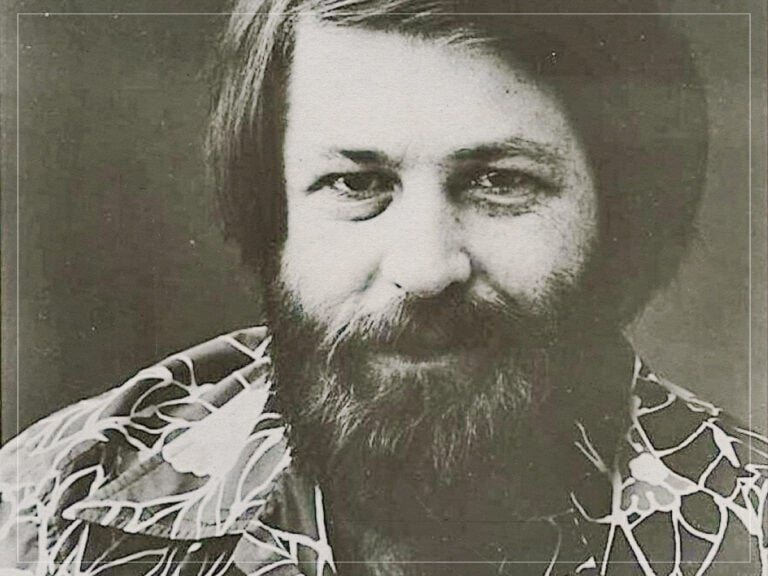


Springsteen would conclude his argument by recognising that whatever it is you’re drawn to during your formative years, it’s always going to have a knock-on effect on who you become as a person, performer and artist, noting that in the case of Lewis, it was most certainly his early infatuation with gospel and church music.
For Springsteen himself, while Lewis isn’t the only person he ever looked up to in this regard, his early exposure to this kind of music was bound to have an effect on him and his personal and artistic identity. Like Lewis, Springsteen has never existed in a bubble, but isn’t afraid to proudly wear his influences on his sleeve.

Never Miss A Tale
The Far Out Classic Rock Newsletter
All the latest Classic Rock content from the independent voice of culture.
Straight to your inbox.