


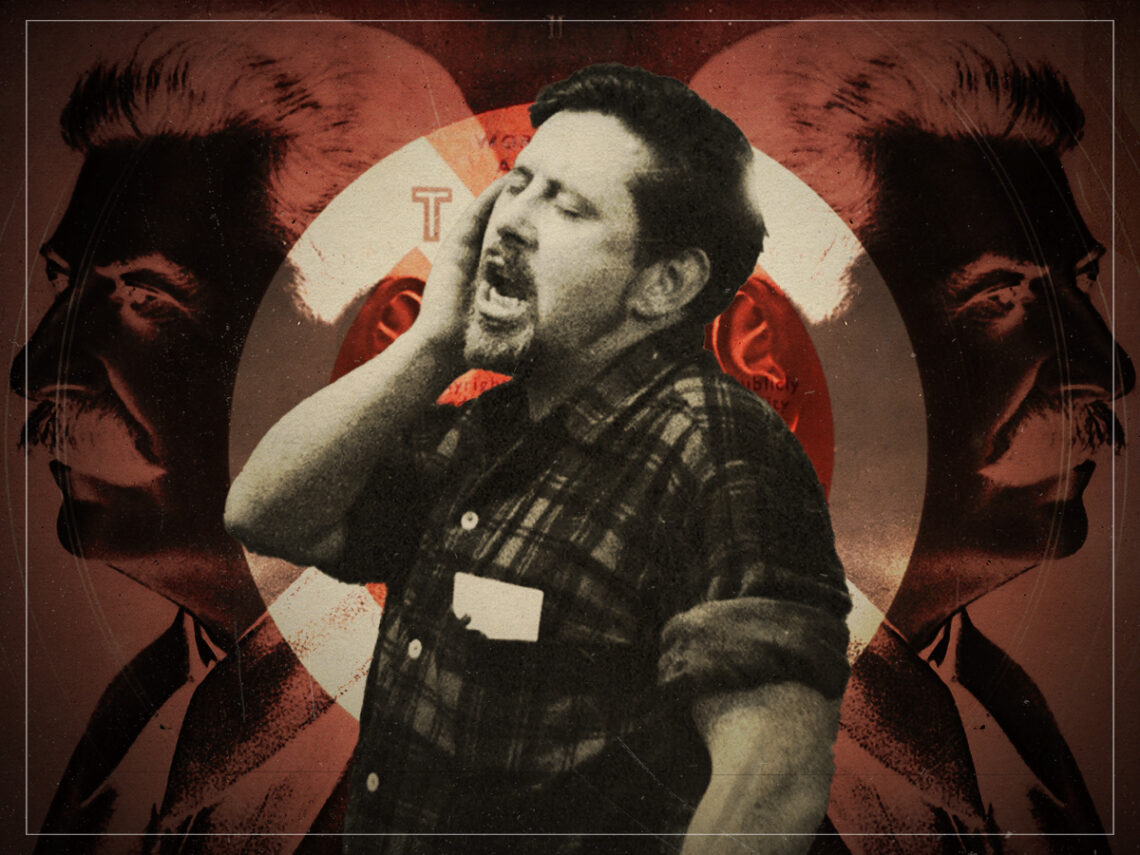
‘The Ballad of Stalin’: the British folk singer who wrote for the Communist Party

For as long as there has been folk music – so, for the majority of human history – there has been political folk music, whether it’s the anti-fascist activism of Woody Guthrie or Merle Travis’ enduring ode to the labour movement on ‘Sixteen Tons’. In Britain, though, one key beacon for politically-charged folk music during the 20th century was Ewan MacColl.
Although MacColl’s greatest contributions to the musical mainstream are often reduced to ‘Dirty Old Town’, a song later popularised by The Pogues, or for fathering 1980s pop sensation Kirsty MacColl, the Lancashire-born folk star boasts an expansive, all-encompassing discography of folk masterpieces. Among them, MacColl often focused on topics like workers’ rights, the trade union movement, and the industrial landscape of Lancashire that formed the backdrop of his upbringing.
Those influences were largely inevitable, given the fact that MacColl’s parents were both socialists, and his father had been blacklisted from working at virtually every steel foundry in their native Scotland as a result of his outspoken trade unionist views. In his own output, then, MacColl continued to promote the same working class, socialist values passed down to him from his parents.
During the 1950s and 1960s, in fact, his socialist leanings took quite the upturn when he began penning songs for the Communist Party of Great Britain. Although many of the songs he had already recorded at that point, including new arrangements of traditional, age-old folk songs, already harboured the kind of working values that the Communist Party aimed to promote, the songs MacColl wrote specifically for the party were much more overt in their leanings.
Two prime examples of this era in the folk singer’s output are ‘The Ballad of Ho Chi Minh’ and ‘The Ballad of Stalin’. The former, as you might expect, told the tale of the leader of the Communist Party of Vietnam, from his early days as a sailor to his ascendancy as the “father of the Indochinese people,” as MacColl put it.
Interestingly, the song was released during a time in which there wasn’t a great deal of Western attention on Minh, during the years before the Vietnam War had kicked off, and Minh became the enemy number-one of the United States. Throughout that conflict, though, ‘The Ballad of Ho Chi Minh’ remained one of the earliest and most informative protest songs in support of the North Vietnamese forces.
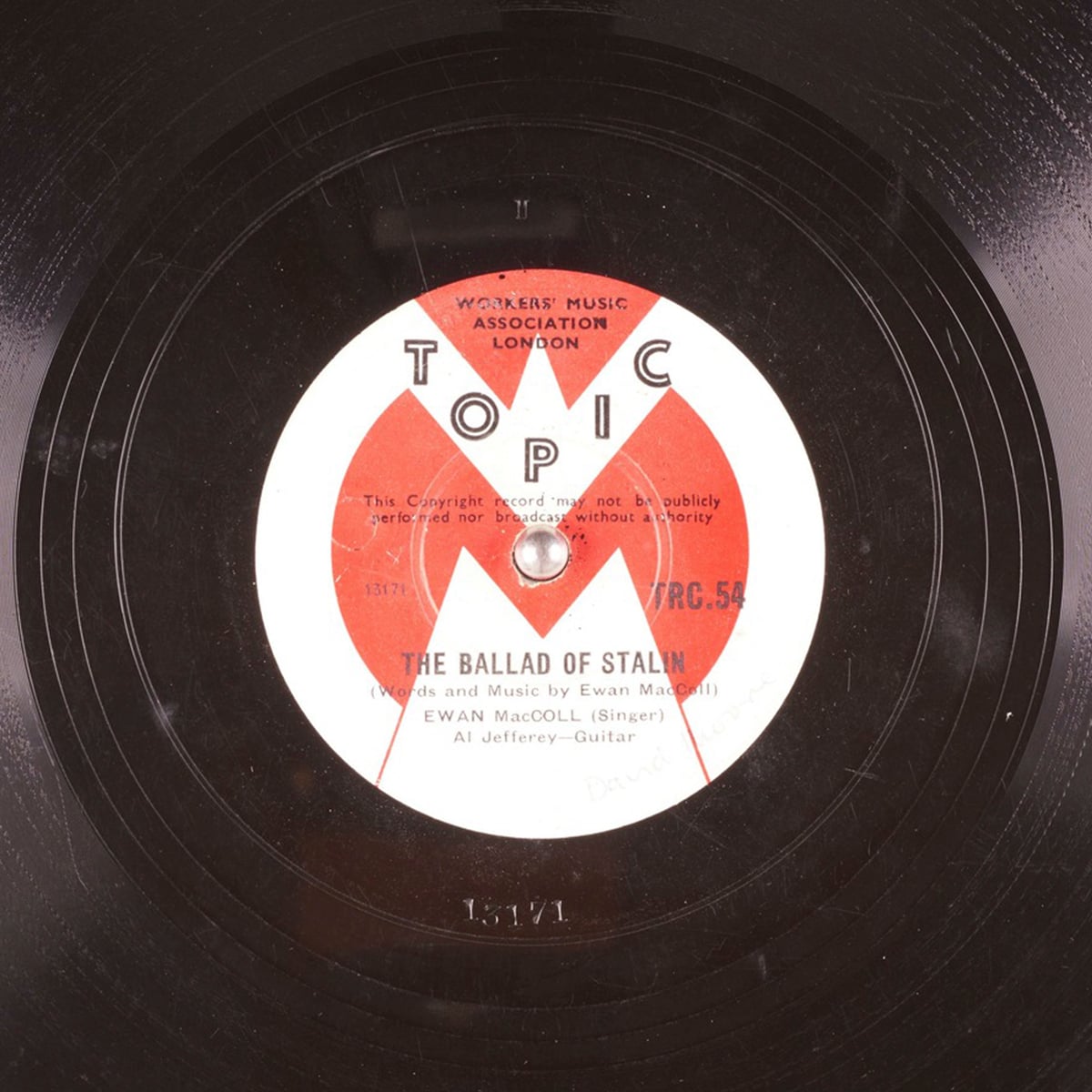
Meanwhile, ‘The Ballad of Stalin’ similarly gave an account of Joseph Stalin’s life as a Bolshevik revolutionary and subsequent leader of the USSR, focusing on the positive aspects of his communist rule over the Soviet Union.
There were, of course, heavy elements of propaganda in each of these songs, with ‘The Ballad of Stalin’ calling the Soviet leader “a mighty man,” and discussing his inseparable relationship with Lenin – when, in reality, Lenin famously wrote of his apprehension at the idea that Stalin would take power after his death, preferring Trotsky as his natural successor.
What’s more, the song omits any mention of Stalin’s failures, whether that was the forced labour camps he set up during his tenure, the many food shortages faced by Soviet citizens during his reign, his persecution of doctors and political enemies, or the overarching authoritarianism of his rule. Instead, MacColl focuses almost solely on his rise from being raised as a farmer to leading the Soviet state through World War II.
Despite those inaccuracies and omissions, though, both songs certainly came from a noble place, of promoting workers’ rights and reflecting the values of the Communist Party at that time. It was a spirit that MacColl continued throughout his life, penning anti-nuclear songs and playing a vital – often underrated – role in supporting striking mineworkers during the mid-1980s.
Although his political slant might have kept the core of his output in the fringes of the British folk scene, rarely breaking out in the mainstream, Ewan MacColl nevertheless remains one of the most essential figures in the modern history of the genre, and vast swathes of his political protest songs remain incredibly relevant and hard-hitting to this day.
