


A brief journey through the world of North Korean propagandist cinema

Even in the shadows of a dark and oppressive political regime lies burgeoning cinema industries, albeit ones shrouded in mysterious and propagandist leanings. Over the last three decades, the South Korea film industry has proven to be wildly popular on a global basis, but what about their North Korean communist neighbours, where fear and ideology run amok in any prospective audience?
The cinema of North Korea is understandably overlooked on the worldwide stage, but diving into its history can reveal hidden insights into one of the world’s most secluded and mysterious countries. The catalogue of North Korean films features many anti-imperialist epics and stories of revolutionary workers, the likes of which show the importance of ideology within a nation and the unrelenting control of propagandist art.
Following the end of World War II, the Korean Peninsula was split into two separate states, with North Korea being ruled under the communist dictatorship of Kim Il-sung. During Kim’s reign, inspired by North Korea’s Chinese and Russian communist neighbours, cinema became an essential tool in disseminating an oppressive ideology to the country’s citizens.
Capitalism, the political system of South Korea, which had been massively influenced by the United States, was enemy number one, and early North Korean films like The Flower Girl and Sea of Blood featured narratives in which proletariat heroes were subject to capitalist oppression, which suggested that a communist outlook was the most human political system, a belief that would undoubtedly be proven to be incorrect over the proceeding years.
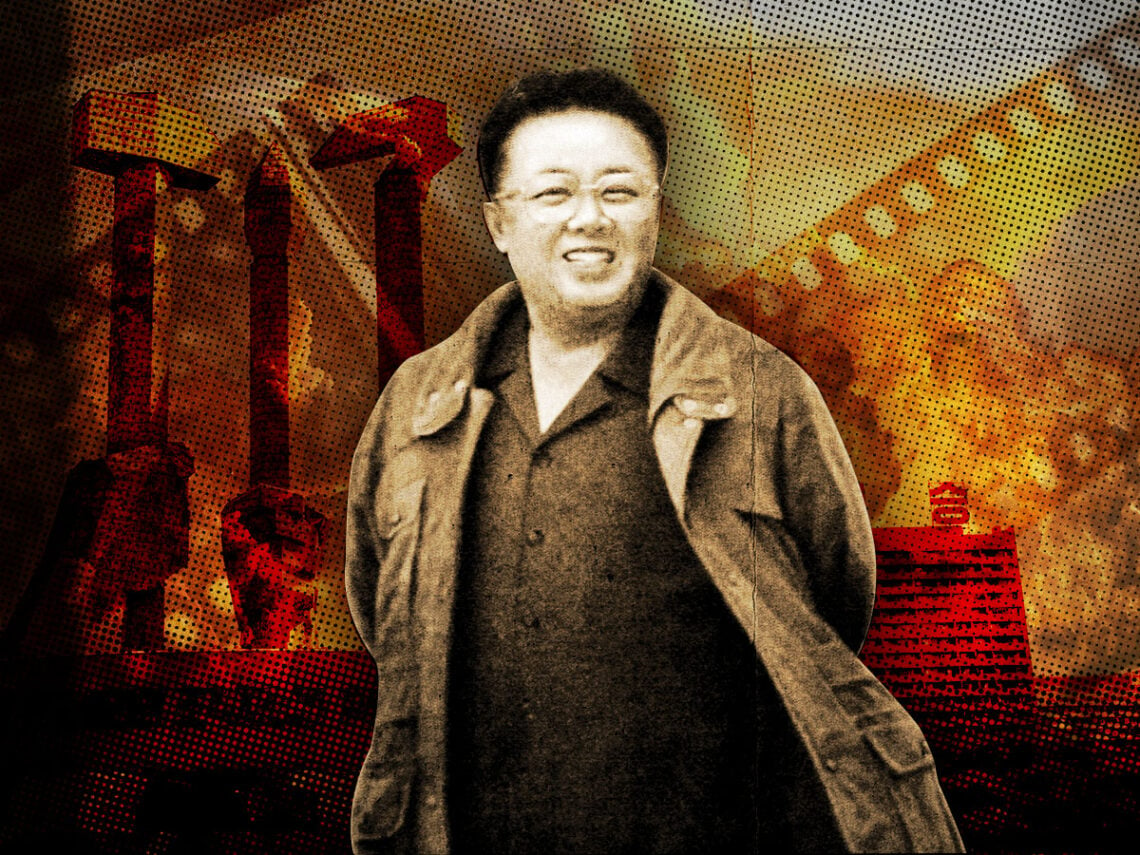
When the Cold War raged on, Kim employed the interest of his son, future leader Kim Jong-il, who had always shown a deep understanding of the intricacies of cinema and the powerful effect it can have on audiences. Kim Jong-il became the head of the filmmaking arm of the propaganda division of his father’s government, and not only did movies like Unsung Heroes and The Fate of a Self-Defense Corps Man portrayed the United States as imperialist aggressors and the antagonist of a communist paradise, but works made under his control also wove narratives of a cult of personality around his father and the Kim family at large.
While the propagandist nature of the North Korean film industry is undoubted, some filmmakers have earned international critical acclaim. Choi Un-hae, for example, known for his epic historical dramas rife with a revolutionary spirit like The Blood Stained Route Map and The Rimyongsu Rebellion, not only put forth the propaganda of his leader but displayed genuine artistic talent in the medium of cinema.
Eventually, in 1994, Kim Jong-il succeeded his father as the leader of North Korea following the latter’s death, and cinema remained a crucial part of the communist regime. In fact, seeing as the younger Kim had that fascination with film in the first place, believed to have amassed a vast personal collection of movies from all across the world, the filmmaking arm of the propagandist machine became ever stronger and more imperative to protecting the position of the Kim dynasty.
That very dynasty has continued to thrive with Kim Jong-il’s son, Kim Jong-un, now reigned as leader. In modern times, the North Korean film industry has faced challenges from within and outside the country itself. A handful of underground North Korean filmmakers threaten to destabilise the ideology that has been so dominant for so many years, though they are dealt with in the harshest of manner when discovered. Foreign media has also found its way into North Korea, showing its citizens that there is another way of life beyond the kind of values glorified in the country’s films of the last seven decades.
Still, the industry itself in North Korea continues to thrive, and Kim Jong-un has attempted to modernise its works whilst still maintaining the communist ideology his forebearers put into place. The North Korean films of yore might seem outdated to outsiders, but they remain resonant in the hearts of the country’s citizens, locked away from the true wonders of the free world.
As North Korea remains a global political enigma, a worrying mystery that refuses to crack, the cinema industry of the East Asian country serves as a reminder of the power of film itself. Where genuine information is scarce, and dissenters of the regime are swiftly dealt with, it’s cinema that continues to be one of the most powerful tools at the Kim family’s disposal, a guarantee of power and a false promise of a brighter future.
