


The best movie of the 1970s, according to Bradley Cooper: “It’s really awesome”

Ever seen a film so good that you sat back afterwards, thought long and hard about it and then mentally inserted it into your top five movies of all time? That’s an occupational hazard for most people who have ever watched Francis Ford Coppola‘s 1974 classic The Conversation, a terrifically paranoid, fiercely inventive thriller that encapsulates all the post-Watergate paranoia of the United States.
Gene Hackman puts in an astonishing performance as Harry Caul, the obsessive surveillance expert dragged into a deadly web of deceit and shadowy figures, but what makes the film so different and so engaging are the audiovisual tricks employed by Coppola and his team.
From minute one, the audience is put squarely into the role of private investigator, listening in on snippets of a couple’s hushed conversation in a crowded square to attempt to decipher what might be going on. The camera is raised above the scene, zooming in and out to track Hackman as he walks around the chatting pair, adding to the voyeuristic feel and making the viewer feel like they shouldn’t really be party to the goings on.
From that point forward, it is a dizzying spiral into not just a vicious, high-stakes murder plot but also Hackman’s loss of grip on his sanity as he struggles to separate right from wrong, reality from paranoia and his job from his own desperate loneliness. It’s a piece of cinema that somehow still feels just as relevant now, 50 years on, as we deal with constant surveillance from all the tech that’s supposedly so necessary in the world.
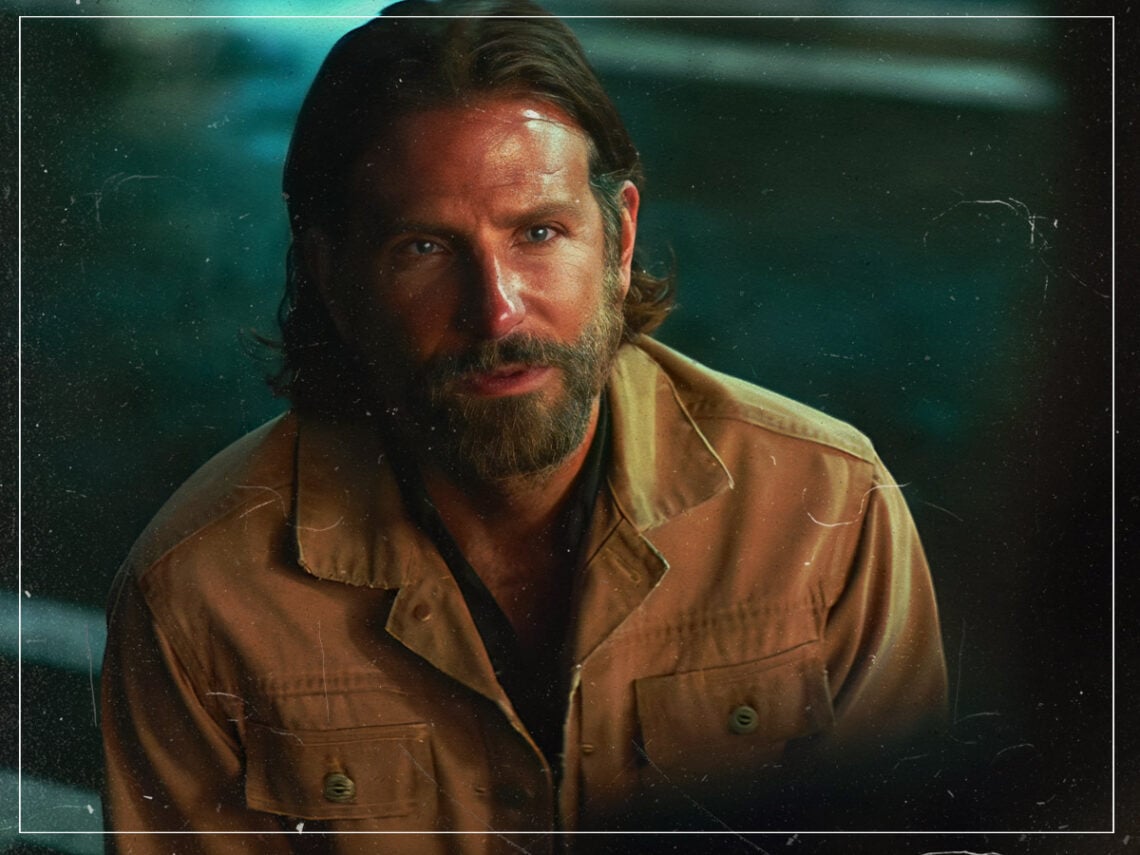
And The Conversation is a movie that certainly struck a chord with another director and Maestro star, Bradley Cooper—a man who, despite initially being sidelined as simply a very handsome face, is in fact a true student of film as an art form. For instance, check out the ‘90s clip of a young Cooper asking in-depth audience questions of Robert De Niro about acting, blissfully unaware they would go on to star in an Oscar-winning film together.
Cooper himself picked up on the technical wizardry of Coppola’s masterpiece, placing it in his top five films of the 1970s, saying, “The Conversation is just, I think, a movie made by one of the best auteur directors of the ’70s and ’80s. To me, I think the reason that I would choose that one is the sound editing. Even though Hackman does play a sound guy, the sound of the movie is really innovative.”
The team working on the project used several different techniques to achieve that award-winning audio. Sound designer Walter Murch would feed the actors’ dialogue into a synthesiser to create digitally distorted effects, creating a sense of unease. Alongside, composer David Shire continued the theme with the score, using the sounds of San Francisco as a backdrop, then combining them with twisted electronic noises to add to the suspense.
Cooper also noted, “You have conversations that are happening in the foreground that you can barely hear, and yet that’s the main conversation, so they play around a lot with where they put the microphone. It’s really awesome.”
The film sits alongside some truly fantastic thrillers of the time that not everyone will know, but they all share similar themes—faceless, corrupt organisations with nefarious intent, a desperate hero figure, sparse brutalist backdrops and (sometimes) incredible car chases. If you’re a fan, then we highly recommend The French Connection (also starring Hackman), Three Days of the Condor starring Robert Redford, the Warren Beatty vehicle, The Parallax View, and the little-known but brilliant The Friends of Eddie Coyle, just to get you started.
