


Brace yourselves for a horror surplus

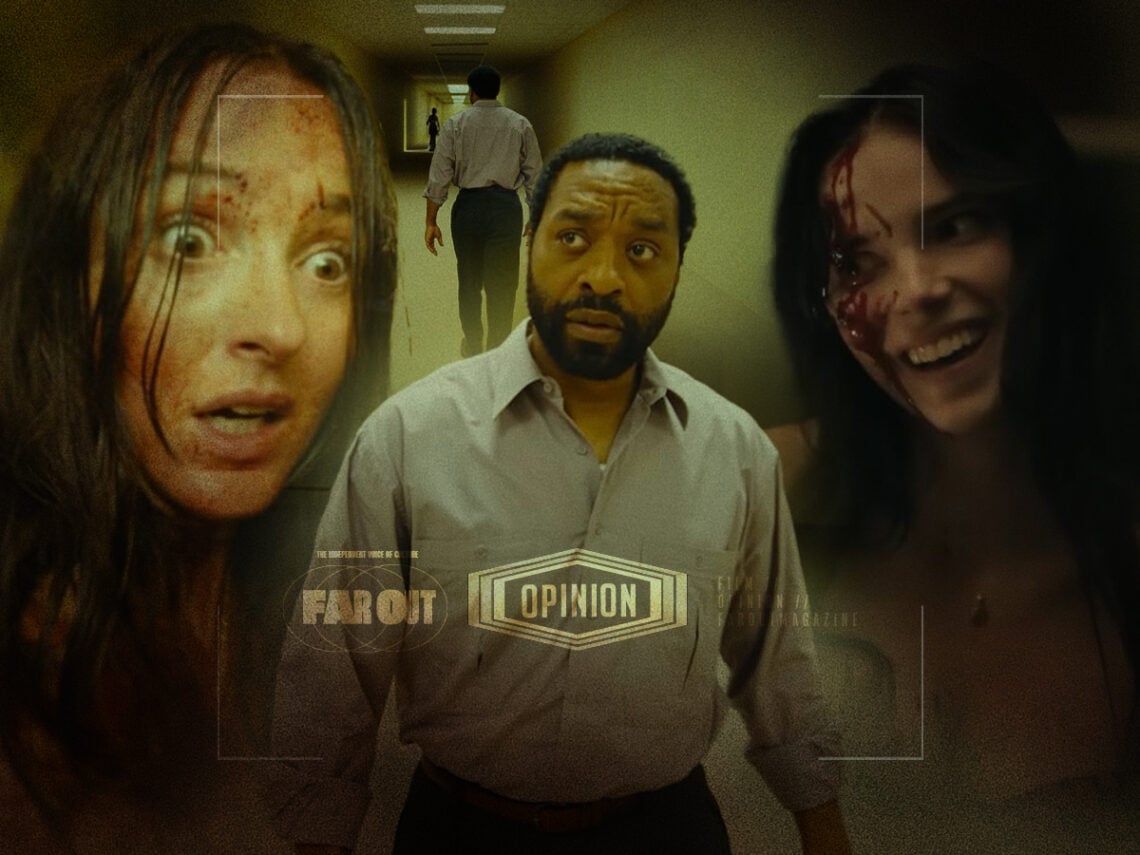
Last weekend, Kane Parsons’ surreal horror movie Backrooms debuted at number one at the box office, taking in $81million.
Curry Barker’s horror movie Obsession took second place with $26m, while the latest Star Wars spinoff, The Mandalorian and Grogu, floundered in third place with $25m. Look behind these numbers, and the story is even more surprising. Not only are Parsons and Barker former YouTube creators who are only in their early 20s, but their budgets were mere fractions of the Mandalorian budget. Backrooms was made for $10m, Obsession was made for less than $1m, and The Mandalorian and Grogu was made for $165m.
Even more remarkable is the fact that Obsession jumped 53% in its second weekend, a nearly unheard-of trajectory, while The Mandalorian and Grogu fell a whopping 69%, more than any other Star Wars movie in history. Again, it’s even more remarkable with added context. The Mandalorian launched in IMAX cinemas, which tend to charge higher ticket fees, meaning that the discrepancy in ticket sales is even higher than the box office numbers suggest.
There has been a flurry of debate about what all this means for Hollywood. For some, the success of the two young YouTubers behind Backrooms and Obsession signals the death of film school. Studios will be turning their noses up at anyone who got their short film into Sundance in favour of those who went viral on social media. Others believe that last weekend’s numbers herald an industry shift as seismic as the one that hit in 1969, when Easy Rider stormed the box office and ushered in the New Hollywood movement.
The latter seems particularly unlikely. Neither Parsons nor Barker is expressing interest in burning down the industry and building it in their image. Their origin stories as filmmakers might be new, but their movies are not. Backrooms owes a debt to everything from The Blair Witch Project to Eraserhead, and Obsession draws on tropes from Fatal Attraction and one of the most common horror scenarios of all – the monkey’s paw. They are both well made, but they do not have the originality and stridency of vision that Coppola and Friedkin had when they burst onto the scene, nor do they capture the frequency of a blazing, underserved generation the way Easy Rider did.
What does seem pretty clear is that Hollywood will finally have to acknowledge that horror is a genre worth throwing money at. Forget about comic book movies and their $200m budgets. Horror movies almost never require more than $100m to make, and they consistently rake in box office returns. The profit margin for Obsession is an extreme example (it’s only in its third week and it’s already grossed $162m), but if you look at the past six decades, horror movies have consistently outpaced their cost by staggering degrees.
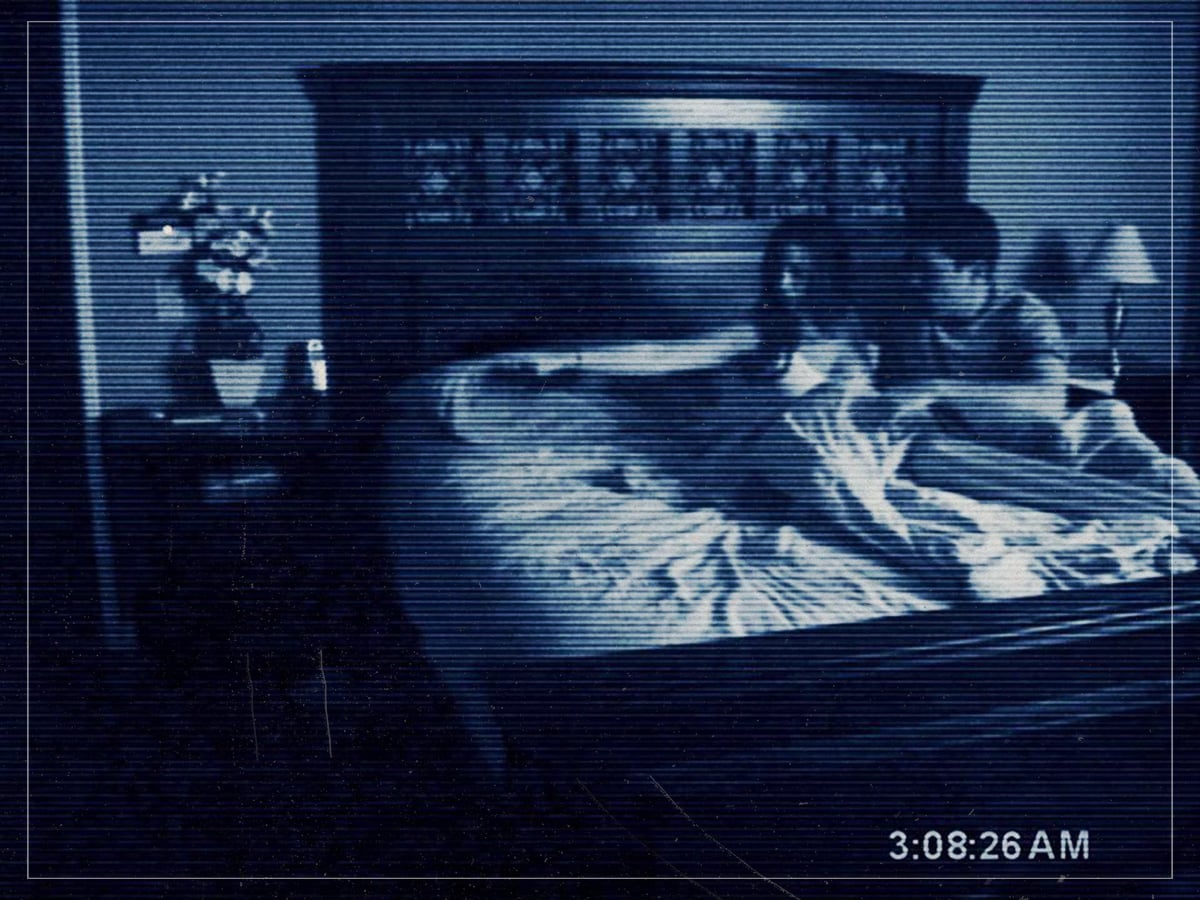
Way back in 1960, Alfred Hitchcock put his own money on the line to finance Psycho. It cost about $800,000, and it ended up bringing in $50m at the box office. In 1973, The Exorcist shattered expectations, raking in $430m from a $12m budget. If you look at the most profitable movies of all time based on budget-to-box office ratio, nearly all of them are horror movies, most notably 1999’s The Blair Witch Project and 2007’s Paranormal Activity.
Fast forward to 2025, and the vampire horror movie Sinners stormed the box office and the Oscars, proving that the genre could do so much more than turn a profit. Ryan Coogler had to put in the time making superhero movies before the studio would greenlight the project, but ironically, Sinners out-earned both Thunderbolts* and Captain America: Brave New World at the box office.
Where franchises are concerned, horror is also a cash cow. From the Conjuring universe to Saw, Scream, and A Nightmare on Elm Street, horror fans consistently spend money on tickets even when there are diminishing returns in quality. These movies might not earn as much as Marvel or Star Wars, but they cost significantly less and are arguably less risky.
If a movie that cost $200m bombs on its release, the losses are catastrophic. 2023’s The Marvels, for example, grossed $206m worldwide, but had a budget of more than $300m. Compare that to the horror movie Insidious: The Red Door, which made $189m but had a budget of only $16m. Even if it had made a scant $20m, its financial backers would have been in a much better position than the ones behind The Marvels.
Based on the surprise success of Backrooms and Obsession, coupled with the lacklustre returns of The Mandalorian and Grogu and last year’s superhero efforts, it seems likely that Hollywood will start funnelling money into horror with a renewed sense of urgency. Barker is already signed on to remake Texas Chainsaw Massacre, Backrooms is practically tailor-made to be a franchise, and you can guarantee that septuagenarian studio executives are already filtering YouTube searches for creepypasta content to find their next wunderkind.

All of this might sound like good news for horror fans and anyone else who feels mildly sick at the mere mention of Marvel or Star Wars, but if there’s one thing for which Hollywood can be relied upon, it’s ruining a good thing through greed and misinterpretations of audience enthusiasm. When the queer hockey romance Heated Rivalry became a sensation at the end of 2025, one unaffiliated studio executive said that his takeaway from its success was that audiences wanted stories that moved faster.
It’s true that the show covers nearly a decade over the course of just six episodes, but it’s unlikely that that was the element that created untold millions of adoring fans as opposed to, say, the concept of non-tragic gay romance and impeccable writing, acting, cinematography, and production design.
In other words, Hollywood has a history of being unable to read the room and very able to throw money at things. We will almost certainly see an influx of horror movies, but that doesn’t mean they’ll be of the calibre of Weapons, Obsession, and Backrooms. It’s worth remembering that the superhero genre was not inherently soulless, artless, and bloated until Marvel started cranking them out like sadists at a puppy farm. The same will probably be true of studio-produced horror movies for the foreseeable future.
They’ll hire young auteurs, saddle them with $100m budgets and 15 producers, and pat their shareholders on the back while critics cry into their notebooks. At least we’re almost guaranteed to get an episode of The Studio out of it.
