


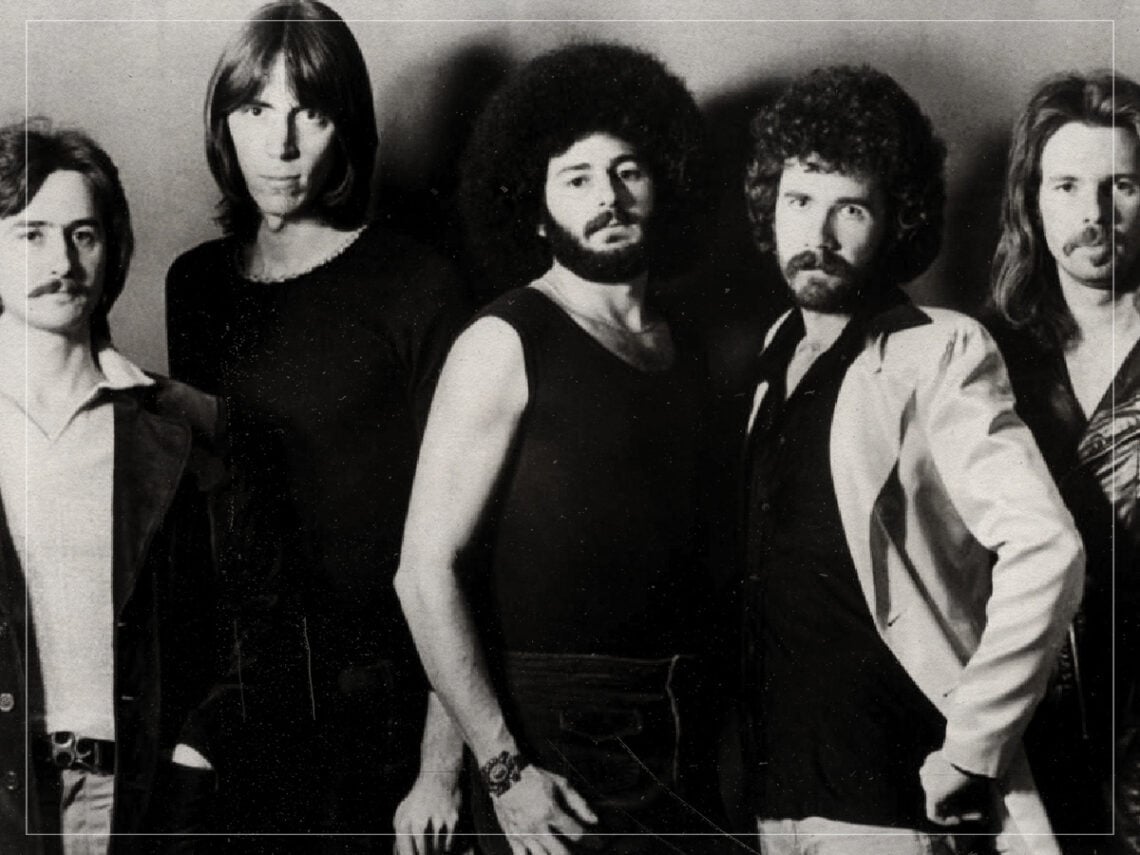
How Boston’s risky $30,000 investment resulted in one of the best-selling debut albums of all time

Boston very much had a mind and a mission. But were they also a little bit of a con? That’s very much for you to decide.
Well, to be fair, ‘con’ might be a slightly misleading word insofar as ‘crafty’ could possibly be a better way to put it. After all, they were a band gifted with the technical mind, but not so much the musical experience, and normally these things are the other way around. With Tom Scholz at the helm, though, they could never steer far wrong.
Indeed, in the mid-1970s, Scholz was a mechanical engineer who’d been educated at the prestigious MIT, and not a sonic powerhouse, but he used his technological know-how to drill into his true passion, albeit from the confines of his basement and not a real record studio. However, his success went to show that the effect was the same, whether it was a DIY approach or not.
In fact, Scholz was so invested in the independent setup that when Epic Records signed the band on to write an album based on their demos, he deceived them into believing that he was using proper studios on the West Coast. Little did they know that that actually meant his basement in Massachusetts, but they were still fooled.
Of course, he ended up getting away with it, but it didn’t mean that the move didn’t come without some risky prospects for the frontman. Primary among them was the financial burden, and with $30,000 of his and his wife Cindy’s money already having been used, only to create the original demo, the risk was that they would never see their life savings return.
Thankfully for them, Boston, the album, went on to become one of the best-selling rock debuts of all time. You could say they had ‘More Than A Feeling’ of relief when those paychecks started rolling in. But even still, having pulled off the almost unfathomable, it was in Scholz’s nature to be totally nonchalant about it.
When asked later how the money earned from the record changed their lives, he simply replied, “Every guy in the group got a new house and a new car out of it. I made back my original investment. You don’t make that much money from first album record deals.” Yet even still, his words also came with the acknowledgement that he knew he had got lucky.
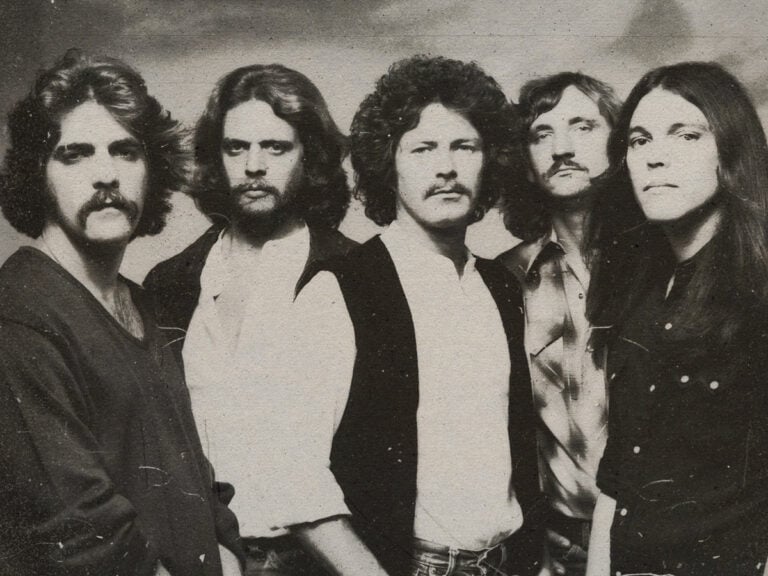


Multiple record labels had expressed interest in the band during the early days, but “I realised I didn’t have the background to determine which was the better record deal,” Scholz admitted, “so that’s where Paul Ahern came in.” However, in doing so, this also opens up a question about class – without the help of Ahern as a promoter and a hefty chunk of cash, the frontman freely confessed he would have been nothing.
What, then, happens to those who have just as much talent as him, but not the right opportunity, or more to the point, money? Naturally, the fickleness of finances is a well-documented beast in the music industry, but they are no modern phenomenon. If it was the case for Scholz way back in 1976, then sadly it tells you that this will last forever.
