


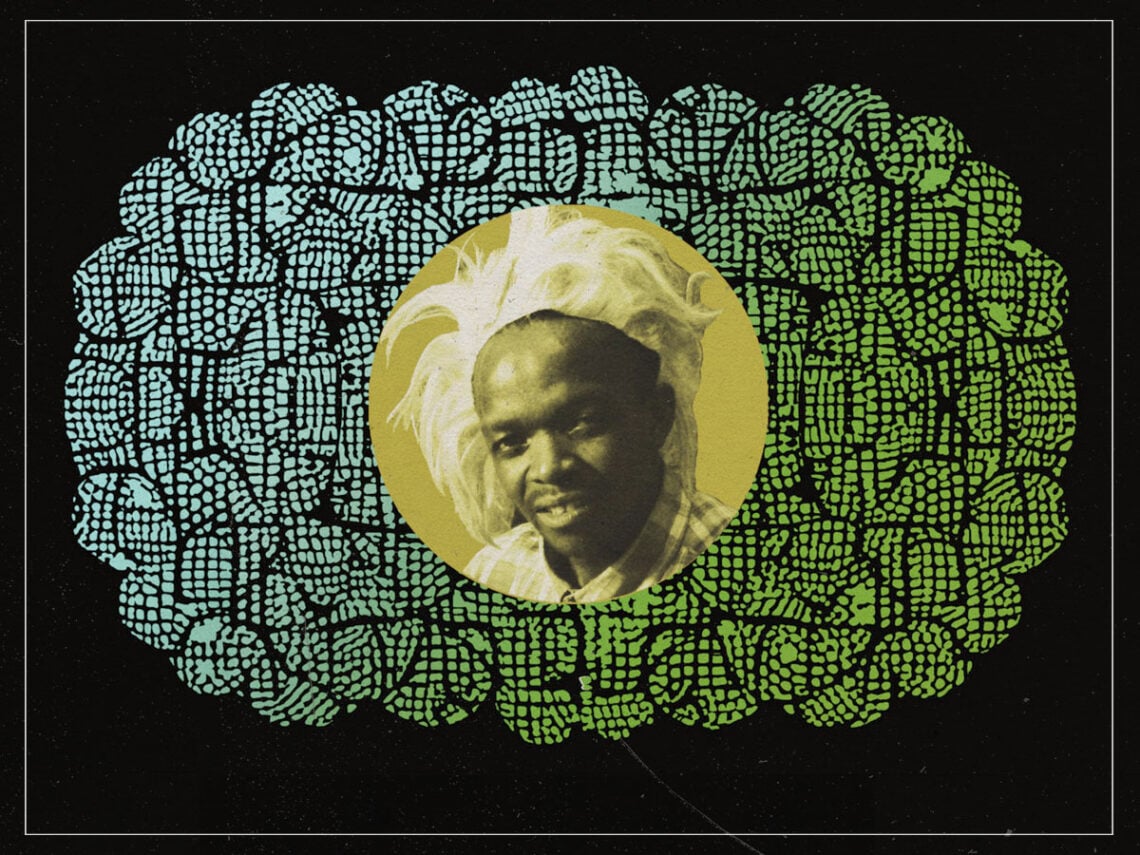
Stolen Skulls, German Invaders and Bonnie Lulenega: the musical farmer documenting Tanzania’s colonial history in song

For over ten years, the Fahari Yetu artisan business development programme in Tanzania has dedicated itself to preserving and nurturing the East African republic’s indigenous cultural heritage. Focusing on the country‘s southern Highlands area, the project follows the Unesco World Heritage Committee’s objectives in seeking commercial potential for the artists and their communities.
Performing regularly since 2016 at Fahari Yetu’s Regional Museum and Cultural Centre Iringa Boma, Kising’a farmer Bonnie Lulenga plays his Hehe clan’s traditional music with DIY instrumentation largely assembled from locally crafted drums, whistles, and bass strings and given a unique live contribution with the Udzungwa Mountain’s practice of dancing along to the beats with the myriad chiming of ankle bells.
“It came to me one night in my dreams. In my dream, I saw myself assembling a special instrument, like the drum I am using in my set now.” Lullenga revealed, discussing his vivid imagination’s guiding influence on his music-making. “After I woke up, that dream stuck in my mind, and I began collecting items and materials like buckets, planks, wire, animal skin and the like. I started constructing, listening to the voice that I had heard in my dreams.”
A recurring theme in Lulenga’s work is the 19th-century Kalenga chieftain and Hehe tribal leader Mkwaka, or to give his full name, Mtwa Mkwava Mkwavinyika Mahinya Yilimwiganga Mkali Kuvagosi Kuvadala Tage Matenengo Manwiwage Seguniwagula Gumganga, Bantu for “A leader who takes control of the forests, who is aggressive to men and polite to women, who is unpredictable and unbeatable, and who has the power that it is only death who can take him away.”
A fierce opponent of the German East African colonial occupation, Mkwaka led the 3,000-strong warrior army in the battle of Lugalo in 1891, killing the Schutztruppe commander Emil von Zelewski and overpowering his forces. Following a siege to his Kalenga fortress, Mkwaka conducted an effective guerilla campaign until 1898, finding himself hopelessly surrounded by German troops in the Mlambalasi Rock Shelter and opting to shoot himself to avoid capture.
In a macabre act of violent colonial triumphalism, German soldiers decapitated Mkwaka’s corpse and sent his skull to Berlin, eventually ending up within the Übersee-Museum Bremen’s vast bone collection. Long a source of national grievance, following the German Empire’s loss in World War I and the ‘transfer’ of its colonies to the Allied victors, the new British Administrator Horace Byatt pushed for the return of the skull to the now renamed Tanganyika Territory as a goodwill gesture for the Hehe clan’s cooperation with the British and to mark a definitive end to German rule.
Despite being mandated in Article 246 of 1919’s Treaty of Versailles, it took Germany over 30 years to actually locate Mkwaka’s skull and finally hand it over to its rightful resting place. In 1953, Tanganyika’s governer Edward Twining personally visited the Übersee-Museum Bremen armed with head measurements of Mkwaka’s surviving relatives and out of the 84 shortlisted skulls from a collection of 2000, picked the only one with a bullet hole. Finally returned the following year, the warrior relic rests in Kalenga’s Mkwawa Memorial Museum.
Lulenga makes his veneration for the warrior chieftain known from the word go on last year’s Aliyuyo Uyoo, the eighth release in Alabama’s 1000HZ Records sister label Digital Indigenous. Opening with ‘Kileka Mkwawa (What Mkwawa left us)’, Lulenga takes the listener on a nearly 12-minute ode to Hehe’s proud nationalism with twisting strings and hypnotic thump given a subtle boost of electronic heft from Polish engineer Piotr Dang Cichocki. The old chieftain’s spiritual presence is explored in the haunting ‘Aliyuyo Uyoo Mkwawa (Mkwawa the Miraculous Child)’, Lulenga’s vocals floating in a mystical sonic expanse praising the divine fable that surrounds Mkwaka’s birth and Hehe warrior destiny.
Music only ever supplementing his primary farming work, Lulenga’s goal is to forge a life solely supported by his Hehe performance and records. With Fahari Yetu’s assistance and the global reach afforded to him via Digital Indigenous, it looks like his dream is well within reach.
