


Bombing the ‘Irish Beatles’: the assassination of the Miami Showband

Culture and music tend to go hand in hand; where culture goes, music follows, and musical figures can be massive influences when discussing current affairs and shaping people’s attitudes. This potential influence can often be a good thing, but it can also come with negative implications, as was the case in 1975 when three members of the Miami Showband were killed.
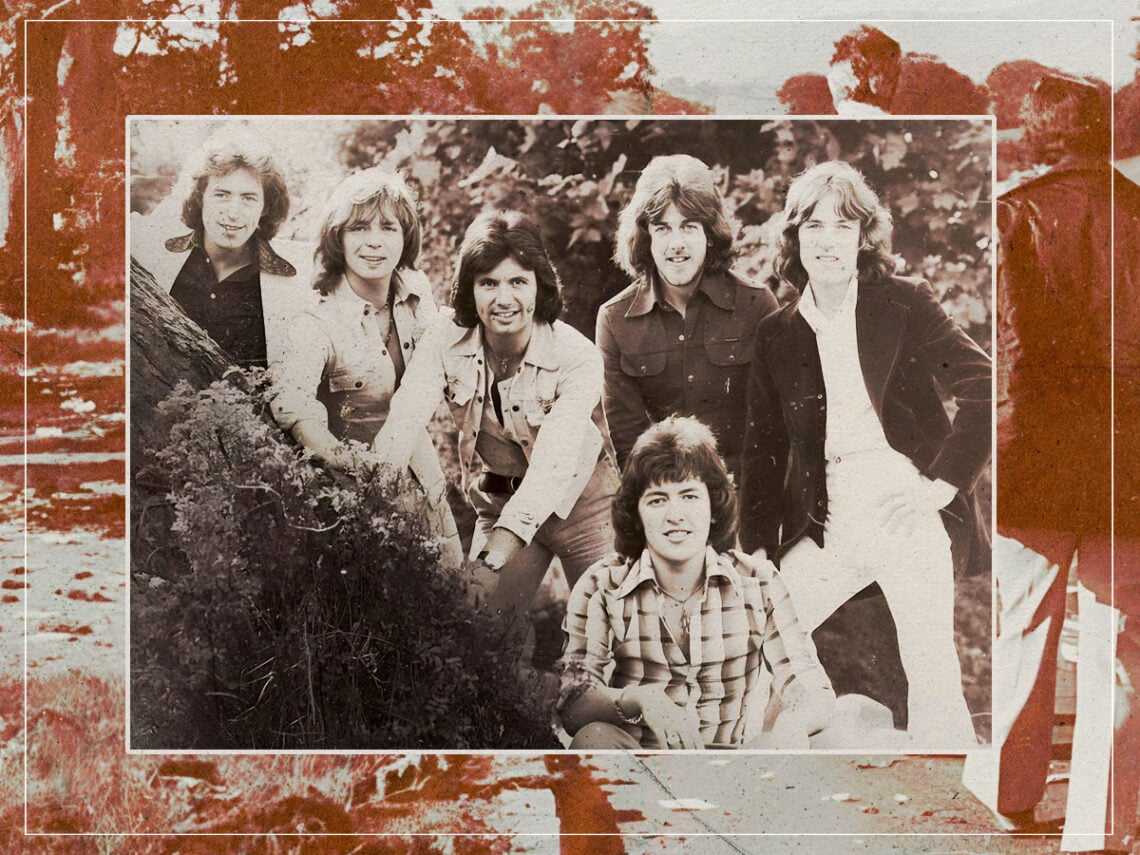
The Miami Showband were often dubbed ‘the Irish Beatles’, likely because of their haircuts, suits, and the sound of the music they were putting out. They were doing well and had a bright future ahead of them, with the pop sound they had established only getting bigger.
The band had about seven number-one records in the Irish singles chart and would travel the country performing sold-out shows. It was after one of these shows that tragedy struck. After a gig in Banbridge, the band drove back to Dublin and stopped at what looked like a military checkpoint.
1975 was right amid The Troubles. This extended period of conflict within Ireland lasted from the late ‘60s until the Good Friday Agreement in 1998. This conflict was political and nationalistic, with most of it occurring in Ireland but sometimes spilling into Northern Ireland and England. The two sides were labelled Protestant and Catholic; however, the conflict wasn’t religious.
One of the major issues debated throughout The Troubles was the status of Northern Ireland. Unionists and loyalists, or protestants, wanted Northern Ireland to remain within the United Kingdom. On the other hand, Catholics (Irish nationalists and republicans) opposed this and wanted Northern Ireland to leave the United Kingdom so they could become a United Ireland.
Border control was naturally a significant issue throughout this period, and to make the security measures at the border between Ireland and Northern Ireland stricter, a plan was made that involved the Miami Showband.
On their way home, as they pulled into what they thought was a military checkpoint, they were apprehended by a group of men with guns. It’s known that at least four of the gunmen were soldiers from the British Army’s Ulster Defence Regiment. Also, all of the members belonged to the Ulster Volunteer Force. They made the band get off the tour bus so that they could plan a timed bomb on board. If the plan were to work, it would look as though the Miami Showband were members of the Irish Republic Army (IRA), and measures at the border would be tightened up.
The plan didn’t work because as the bomb was loaded onto the bus, it went off early, killing two of the assailants. The remaining gunmen opened fire on the band, killing three of them. Fran O’Toole, Tony Geraghty and Brian McCoy were all murdered, whilst the remaining members got away with injuries.
The killings were a tragedy that stopped a promising band in their tracks. The attacks were organised by the Ulster Volunteer Force Mid-Ulster Brigade and their commander, Robin ‘the Jackal’ Jackson, who was linked to the killings through fingerprints.
Bands are notoriously public. They’re public in what they’re working on, where they are playing and where they will likely be at any given time. With this in mind and the cultural significance of the Miami Showband, they became a target. It would mean a lot more if those responsible for an attack on the border were a beloved band, and they were easy to intercept, so this remains another example of how culture and music work hand in hand. Sometimes, those two elements being so close can be a considerable disadvantage, leading to harm, as with the Miami Showband.
