


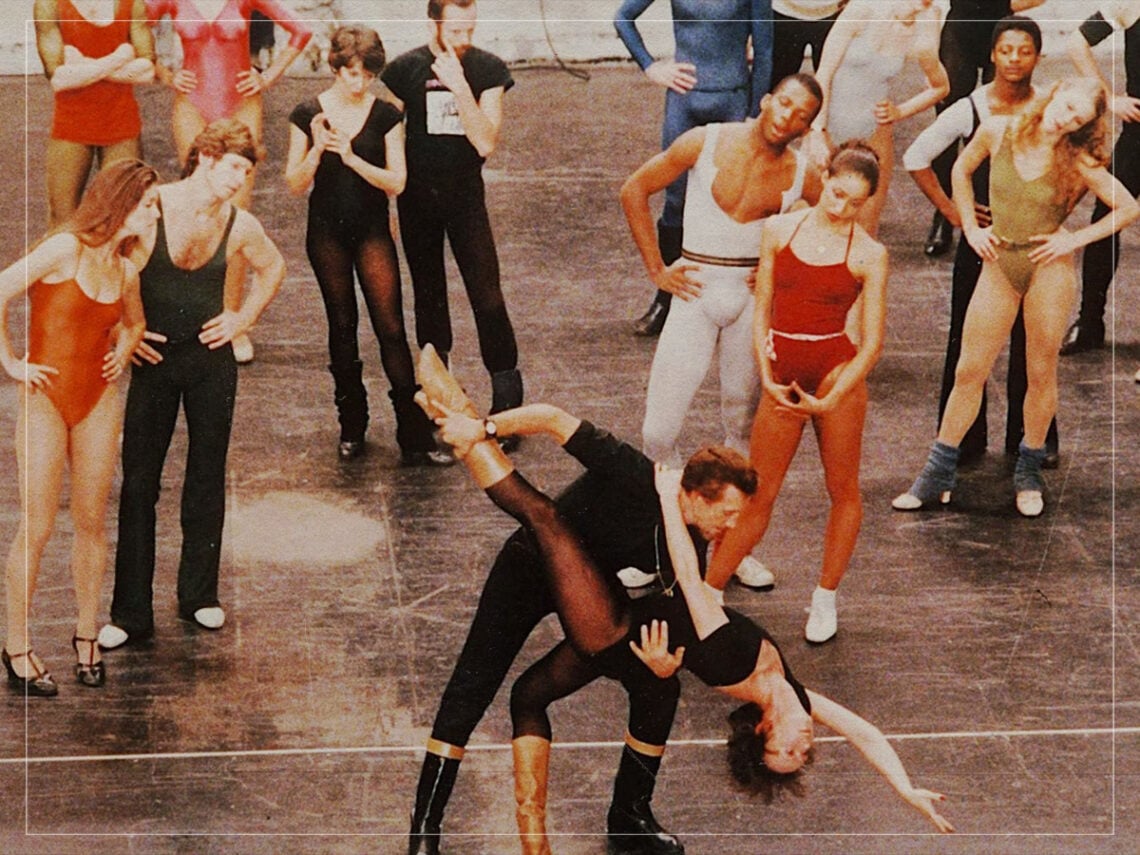
Bob Fosse on how the wrong script led to the creation of ‘All That Jazz’: “I don’t think I can face this kind of material”

There are few films that I could freely award the label of being a masterpiece, but Bob Fosse’s 1979 feature All That Jazz is certainly one of them, and a story that only becomes more potent and relevant as it ages.
In a world ruled by performance, with our inner and outer worlds blurring as every aspect of daily life becomes increasingly staged in the presence of social media, Bob Fosse was years ahead of the curve in his portrayal of a man who became consumed by a life of constant performance.
The story follows a Broadway theatre director in the heat of producing his magnum opus, something that coincides with a health crisis that puts his entire life’s work on the line and forces him to reflect on his personal failings as a father, partner and performer. It’s a deeply personal and self-reflexive piece of work that also examines Fosse’s own time in the spotlight, examining the consequences of constant performance and a life clouded by the perks of celebrity and attention.
But while we might know that Fosse infused elements of his own life into the film, what some might not know is that the director was initially set to direct an entirely different script, one that wasn’t the right fit and led him to alter his creative course and put his own twist on the story.
Fosse was known for many Broadway projects and films throughout his career, perhaps most well-known for his creation of Fosse dancing—a unique style of choreography characterised by turned-in knees and disjointed movements that make the dancer look something like a dysfunctional crab. However, All That Jazz was by far his most celebrated project amongst film lovers and cinephiles, with Stanley Kubrick heralding it as one of his favourite films of all time.
How Bob Fosse’s brush with death inspired All That Jazz
When discussing the early stages of development, Fosse explained the complications that arose while drafting early iterations of the script, saying, “The history of it is odd because I was in the hospital myself and I had a heart attack and open-heart surgery, and I became very interested in death and hospital behavior and the meaning of life and death and those kinds of subjects. And so I started working with a friend of mine, a writer by the name of Robert Allan Arthur, on the screenplay of a novel called Ending. And it was about dealing with death”.
Naturally, when being met with the possibility of death yourself, it would influence your artistic ambitions and ideas, seeping into your work as you process something personal through art. But it wasn’t a straightforward process to finding the heart of the story, with Fosse saying, “And we got a screenplay, a beautifully written screenplay, but it was just so down and every day I’d go to work and I’d say it’s a lovely piece of material but I’ve got to spend a year and a half with this and I don’t think I can face this kind of material, a real kitchen drama. Very heavy. I said I like the subject and I’d really like to do something in the same area but with the tools I use best, which is song and dance”.
The blend of light and dark is what makes All That Jazz so mesmerising, with a dizzying balance between the highs of performing and the lows of an entirely unglamorous life spent in the spotlight, slowly corrupting your soul and leaving you with nothing else but your stage persona. It’s an absolute cinematic gem, and one that continues to haunt and move audiences about the outcomes of a world we are all heading towards.
