


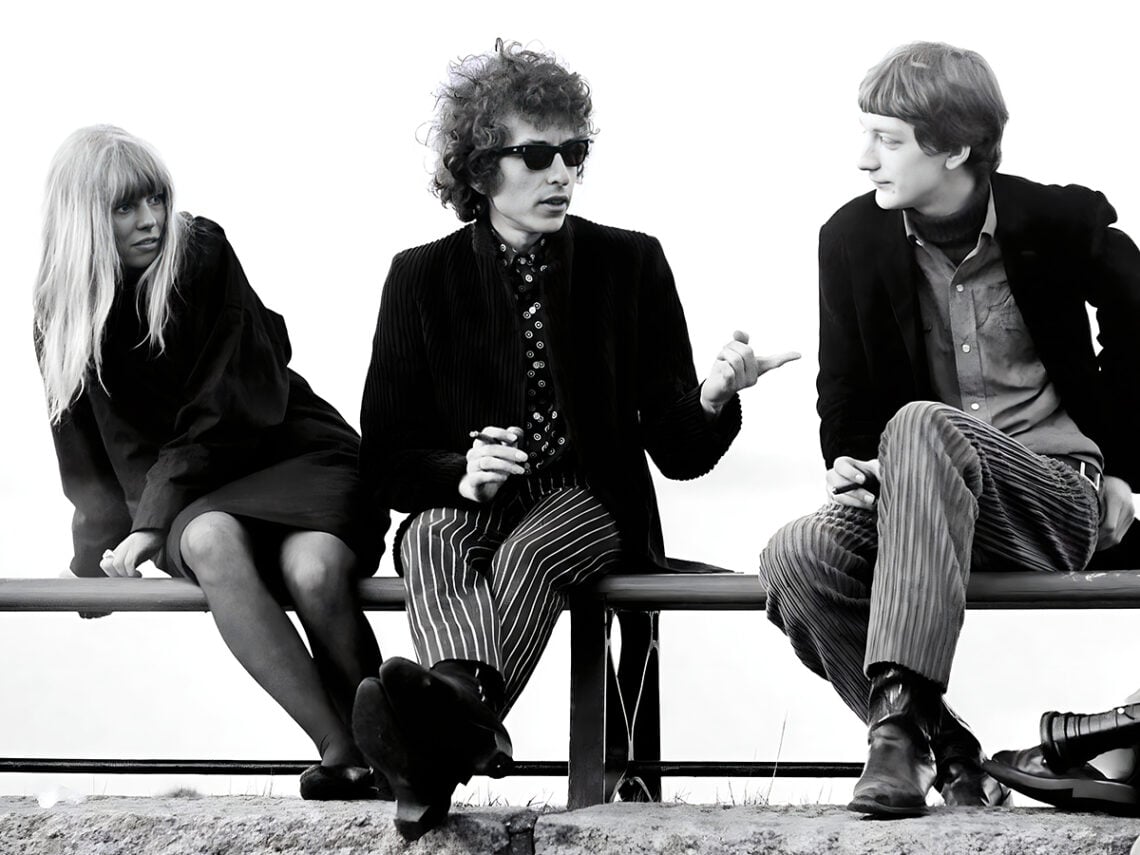
The all-night binge that led Bob Dylan to a 1966 masterpiece: “I got carried away”

The creative process that Bob Dylan embarked on for 1966’s Blonde on Blonde was unlike any that he had tried before. Initially, it was business as usual, with Dylan cutting tracks at Columbia Records’ 7th Avenue studio in New York City. But when Dylan grew frustrated, producer Bob Johnston suggested moving production down to Columbia’s Nashville studio.
Bringing along guitarist Robbie Robertson and keyboardist Al Kooper, Dylan recruited a new crop of Nashville studio musicians to help him finish Blonde on Blonde. These included harmonica player Charlie McCoy, guitarist Wayne Moss, guitarist and bassist Joe South, and drummer Kenny Buttrey.
The move to Nashville also represented a major turning point in Dylan’s artistic evolution. Surrounded by seasoned session musicians rather than the confrontational atmosphere of New York, he found a looser and more instinctive way of working.
In a 2007 essay compiled by Sean Wilentz, the writer gets some of the participants in the session to recall how the epic album closer, ‘Sad Eyed Lady of the Lowlands’, was constructed. One surprising witness to the sessions was Kris Kristofferson, the legendary country singer-songwriter who was working as a janitor at the studio when Dylan arrived.
At that stage, Kristofferson was still years away from becoming one of America’s defining songwriters. Watching Dylan create at close range offered him a firsthand glimpse into the possibilities of modern songwriting.

On February 15th, sessions for the song commenced, but Dylan simply sat at the piano and began working through endless drafts of lyrics. “I saw Dylan sitting out in the studio at the piano, writing all night long by himself. Dark glasses on,” Kristofferson recalled.
Fuelled by only chocolate bars and Coke (the drink, not the drug), Dylan continued to write and discard words by himself. The musicians at the session stayed busy by playing ping-pong, chatting amongst themselves, and taking occasional naps as Dylan worked well into the early morning hours.
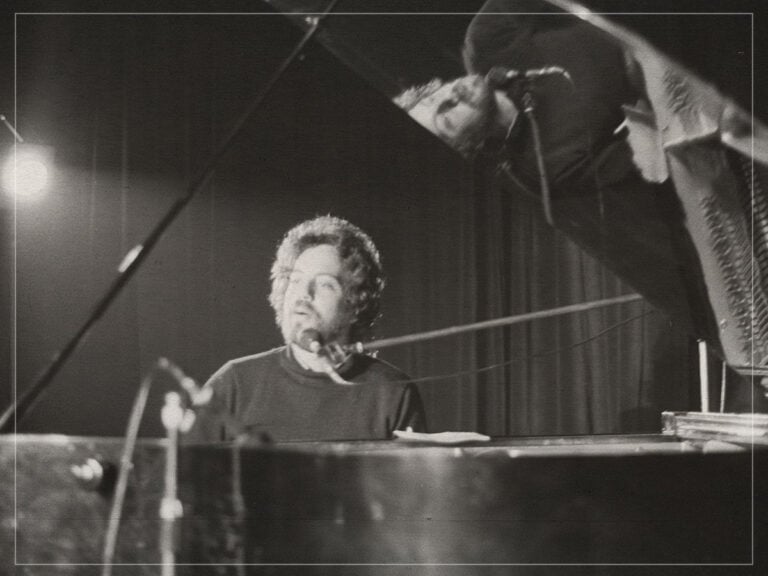

Dylan was ready to record when the clock hit four in the morning. “After you’ve tried to stay awake ’til four o’clock in the morning, to play something so slow and long was really, really tough,” McCoy claimed. Dylan didn’t lay out the structure of the song to the musicians, instead counting them off and leading them through the entire 11-minute piece as they tried to anticipate where the song was going to end.
“If you notice that record, that thing after like the second chorus starts building and building like crazy, and everybody’s just peaking it up ’cause we thought, ‘Man, this is it….'” Buttrey explains. “After about ten minutes of this thing, we’re cracking up at each other, at what we were doing. I mean, we peaked five minutes ago. Where do we go from here?”
The song ultimately occupied an entire side of Blonde on Blonde, cementing its reputation as one of Dylan’s most sprawling and ambitious works. Despite the fatigue surrounding its creation, the recording captured a kind of late-night magic that would have been impossible to manufacture deliberately.
Check out ‘Sad Eyed Lady of the Lowlands’ down below.

Never Miss A Tale
The Far Out Bob Dylan Newsletter
All the latest stories about Bob Dylan from the independent voice of culture.
Straight to your inbox.