


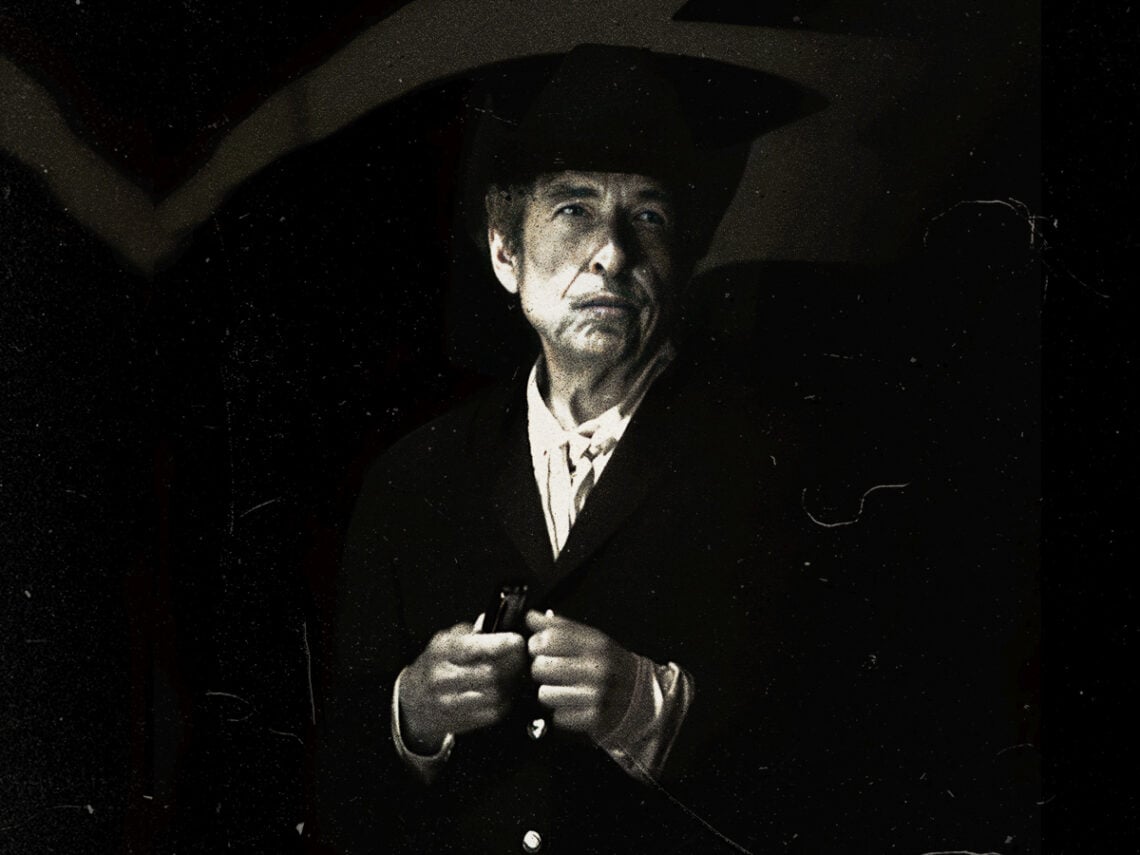
Bob Dylan on the artist who has “the upper hand” in the music industry

Across his over 60-year output, folk rock songsmith Bob Dylan‘s creative path has been guided by a dogged jump into confounding expectations and willing artistic detours that test his fans’ patience. While his dedicated followers have long resigned themselves to his curmudgeonly whims, Dylan’s 40 studio albums document heretical abandonments of folk purism to electric rock, born-again Christian gospel, Rat Pack-inspired swing, and his very own Christmas record. Dylan is an artist who does whatever he pleases.
A sage-like wisdom has possessed the lyrical vagabond since his teens. Heading to New York City from Minnesota at 19, Dylan quickly became a central figure in Greenwich Village’s artistic and bohemian community. He sang traditional folk pieces with an authority beyond his years, penning original poetry such as ‘Blowin’ in the Wind’ and ‘A Hard Rain’s A‐Gonna Fall’, helping lay the foundation for the ensuing counterculture’s demand for authenticity from the world of rock.
There’s one 1960s contemporary, however, who trumps even the original vagabond for a ceaseless reach of artistic integrity. Canadian singer-songwriter Neil Young can boast of Rick James, Willie Nelson, Devo, Pearl Jam, Sonic Youth, and Dylan himself being his collaborators across his chequered career.
Cutting his teeth in his native Winnipeg before heading to Los Angeles to join Buffalo Springfield, subsequent solo albums and the joining of Crosby, Stills & Nash saw Young immersed in the era’s Woodstock happenings. However, he also managed to avoid the nostalgia trappings that befell many of his West Coast peers.
Young can boast a fiercer vitality and relevancy than Dylan. Rather than lapsing into insecure recoil at the sight of punk’s explosive arrival, Young sought creative rejuvenation by the end of the 1970s, segueing from Comes a Time‘s gentle country to Rust Never Sleep‘s garage rock attack, led by his eternally raucous ‘Hey Hey, My My (Into the Black)’ rallying call with his trusty Crazy Horse backing band.
After spending the 1980s swerving between rockabilly, synthpop, and satirical potshots at MTV, Young entered the 1990s as a respected elder statesman of the burgeoning grunge movement, carving a wholly authentic and respected role in the American alternative rock of the Lollapalooza generation.
“An artist like Neil always has the upper hand,” Dylan told The Scotsman in 2012. “It’s the pop world that has to make adjustments. All the conventions of the pop world are only temporary and carry no weight. It’s basically two different things that have nothing to do with each other.” Guts and fortitude go a long way for Dylan, and it’s not hard to imagine an admiration for a fellow defiant creative who also gleaned celebrated eras, chaptering his rich creative mosaic with an essentiality that Dylan hasn’t touched in years.
Young’s never-ending drive to express his musical soul, regardless of the consequences, was summed up beautifully by his former manager and old friend Elliot Roberts, whom he knew for over 50 years: “Always willing to roll the dice and lose… He has no problem with failure as long as he is doing work he is happy with”.

Never Miss A Tale
The Far Out Bob Dylan Newsletter
All the latest stories about Bob Dylan from the independent voice of culture.
Straight to your inbox.